The Death of John III and the Rise of Sebastian I: Portugal at a Crossroads (1557)
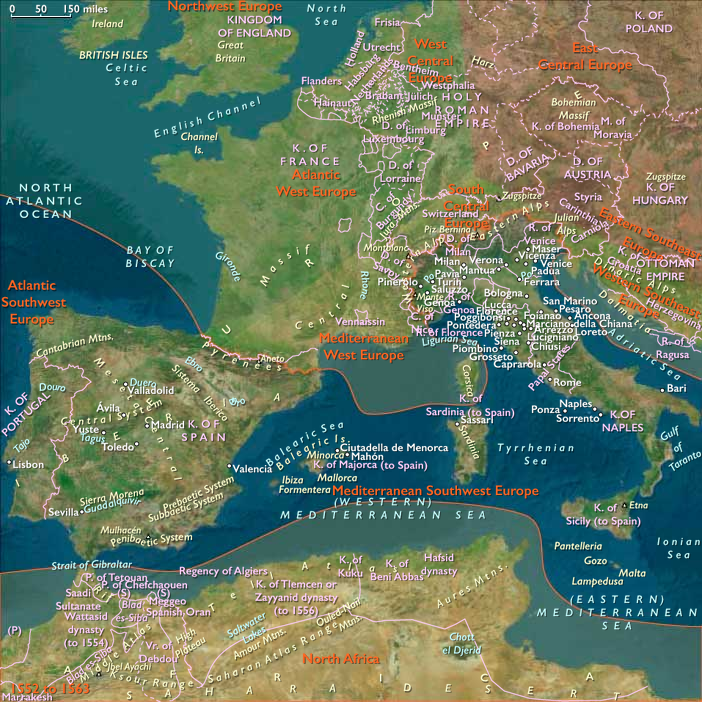
During the reign ofKing John III of Portugal (r. 1521–1557),Lisbon flourishedas one ofEurope’s largest, wealthiest, and most cosmopolitan cities. However,despite its economic prosperity,Portugal’s decline had already begun, marked bymilitary failures, financial strain, and demographic decline.
Lisbon: A Global Capital Under John III
By themid-16th century, Lisbon was akey hub of global trade, enriched byspices, gold, and slavesfromAfrica, India, and Brazil.
The city becamea center of arts, literature, and luxury, with John IIIlavishing wealth on court life and extravagant projects.
However,Portugal’s overextended empirewas beginning todrain its economy.
The Decline of Portugal’s Power
Naval and Economic Decline
Portugalstruggled to maintain dominance over its vast overseas empire, facing challenges fromrival European powersandlocal resistance in Asia and Africa.
John IIIspent heavily on military campaigns in North Africa, but thesecostly ventures yielded little strategic gain.
Portuguese garrisons inMoroccobecameincreasingly difficult to defend, draining resources and manpower.
Religious Intolerance and the Inquisition
A devout Catholic known as“the Pious”, John IIIestablished the Portuguese Inquisition (1536).
TheJesuits were brought to Portugal, reinforcingCatholic orthodoxybut alsostifling intellectual and economic progress.
Thepersecution of New Christians (conversos)led tothe flight of many skilled merchants and financiers, weakening the economy.
John III’s Death and the Accession of Sebastian I (1557)
John III died on June 11, 1557, at age 55.
His only surviving heir washis three-year-old grandson, Sebastian, who becameKing Sebastian Iunder aregency led by his grandmother, Catherine of Austria, and later by his great-uncle, Cardinal Henry.
Sebastian’sascension at such a young agemarked the beginning ofa period of instability, culminating inthe disastrous Battle of Alcácer Quibir (1578)and Portugal’s eventualfall under Spanish rule (1580–1640).
Conclusion: The End of Portugal’s Golden Age?
John III’s reignmarked both the peak and the beginning of Portugal’s decline. WhileLisbon remained a wealthy and influential city, Portugal’simperial overstretch, military failures, and economic declineforeshadowed thetroubles of the late 16th century. His death lefta vulnerable child-king, whose reign wouldlead Portugal further into crisis, setting the stage forone of the most dramatic turning points in Portuguese history.
Images
King John III of Portugal attributed to Cristóvão Lopes (ca. 1552-1571); oil on canvas; 65 x 50 cm, Museu de São Roque, Lisbon; inv. no. 51.