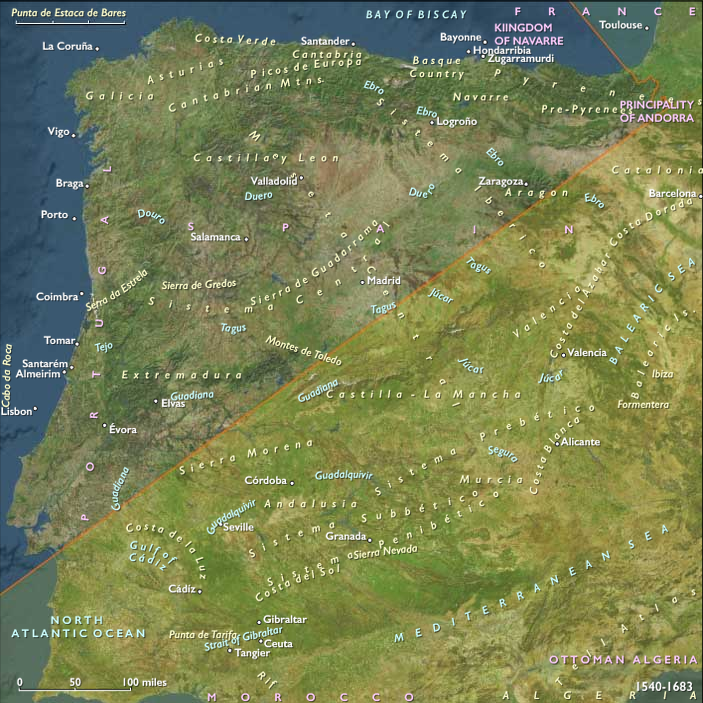
The Logroño Inquisition Tribunal and Witchcraft Persecutions…
1609 CE
The Logroño Inquisition Tribunal and Witchcraft Persecutions in Northern Spain
AlthoughLogroñois not aBasque city, it served as theheadquarters for an Inquisition tribunal overseeing the Kingdom of Navarre, Álava, Gipuzkoa, Biscay, La Rioja, and parts of Burgos and Soria. This tribunal becameone of the most active in Spain, particularly in cases related towitchcraft and superstitions.
Scope of the Logroño Tribunal
The tribunal investigateda wide range of offensesagainst Catholic orthodoxy, including:
Healing with nóminas—amulets containing the names of saints, used for protection or medical purposes.
Witchcraft and magic, which became themost notorious caseshandled by the tribunal.
Unlike many other Inquisition tribunals, Logroño heavily targeted alleged witches and folk healers, making it a center forwitch trials in Spain.
The Accused: Witches, Priests, and Healers
Whilewomen were the primary targets,men, children, and even priestswere also accused of engaging insupernatural practices.
Children were sometimes forced to testifyagainst their parents or neighbors.
Priests and healers were accused of using “nóminas” (amulets inscribed with saints' names), atraditional form of folk healingthat wasconsidered heretical by the Inquisition.
The Logroño Witch Trials (1609–1614)
Themost infamous trials occurred in Logroño between 1609 and 1614, centered around theBasque witch hysteria, particularly in the town ofZugarramurdi (Navarre).
In1610, amass auto-da-fé (act of faith)was held in Logroño, during whichsix accused witches were burned at the stake, while many others were sentenced topenance or imprisonment.
The trials were based largely onforced confessions and testimonies from children, leading tohundreds of arrests.
Eventually,Alonso de Salazar Frías, an inquisitor, investigated the claims and found no real evidence of witchcraft, helping toend the hysteria.
Conclusion: The Logroño Tribunal’s Role in the Inquisition
TheLogroño Inquisition tribunal played a major role in the persecution of suspected witches and healers innorthern Spain, especially in theearly 17th century.
Whilewitch trials were more common in Protestant regions of Europe, theBasque witch trials at Logroño became one of the most infamous episodes of the Spanish Inquisition.
The trials of 1609–1614 eventually led to skepticism within the Inquisition about the reality of witchcraft, influencinglater judicial approaches to witch trials in Spain.
Despiteits notorious history, theLogroño tribunal continued to operate, targetingfolk practices, religious nonconformity, and heretical beliefswell into the18th century.