
Montcalm, in the wake of his successful …
Years: 1757 - 1757
June
Montcalm, in the wake of his successful 1756 assault on Fort Oswego, has been seeking an opportunity to deal with the British position at Fort William Henry, since it provides the British with a launching point for attacks against Fort Carillon.
He is initially hesitant to commit his limited resources against Fort William Henry without knowing more about the disposition of British forces.
Intelligence provided by spies in London arrives in the spring, indicating that the British target is probably Louisbourg.
This suggests that troop levels on the British side of the frontier might be low enough to make an attack on Fort William Henry feasible.
This idea had gained further support after the French questioned deserters and captives taken during periodic scouting and raiding expeditions that both sides conducted, including one resulting in the January Battle on Snowshoes.
As early as December 1756, New France's governor, the Marquis de Vaudreuil, had begun the process of recruiting natives for the following summer's campaign.
Fueled by stories circulated by native participants in the capture of Oswego, this drive has been highly successful, drawing nearly a thousand warriors from the Pays d'en Haut (the more remote regions of New France) to Montreal by June 1757.
Another eight hundred warriiors have been recruited from tribes that live closer to the Saint Lawrence.
He is initially hesitant to commit his limited resources against Fort William Henry without knowing more about the disposition of British forces.
Intelligence provided by spies in London arrives in the spring, indicating that the British target is probably Louisbourg.
This suggests that troop levels on the British side of the frontier might be low enough to make an attack on Fort William Henry feasible.
This idea had gained further support after the French questioned deserters and captives taken during periodic scouting and raiding expeditions that both sides conducted, including one resulting in the January Battle on Snowshoes.
As early as December 1756, New France's governor, the Marquis de Vaudreuil, had begun the process of recruiting natives for the following summer's campaign.
Fueled by stories circulated by native participants in the capture of Oswego, this drive has been highly successful, drawing nearly a thousand warriors from the Pays d'en Haut (the more remote regions of New France) to Montreal by June 1757.
Another eight hundred warriiors have been recruited from tribes that live closer to the Saint Lawrence.
Locations
People
- Daniel Webb
- François-Gaston de Lévis
- Jeffery Amherst, 1st Baron Amherst
- John Campbell, 4th Earl of Loudoun
- Louis-Antoine de Bougainville
- Louis-Joseph de Montcalm
- Pierre de Rigaud de Vaudreuil de Cavagnal, Marquis de Vaudreuil
- William Johnson, 1st Baronet
- William Pitt
Groups
- Iroquois (Haudenosaunee, also known as the League of Peace and Power, Five Nations, or Six Nations)
- Abenaki people (Amerind tribe)
- Wyandot, or Wendat, or Huron people (Amerind tribe)
- Mohawk people (Amerind tribe)
- Lenape or Lenni-Lenape (later named Delaware Indians by Europeans)
- New France (French Colony)
- Shawnees, or Shawanos (Amerind tribe)
- France, (Bourbon) Kingdom of
- Ohio Country
- New York, Province of (English Colony)
- Massachusetts, Province of (English Crown Colony)
- Britain, Kingdom of Great
Topics
- Colonization of the Americas, French
- Colonization of the Americas, British
- French and Indian War
- Fort William Henry, Masscre at
Subjects
Regions
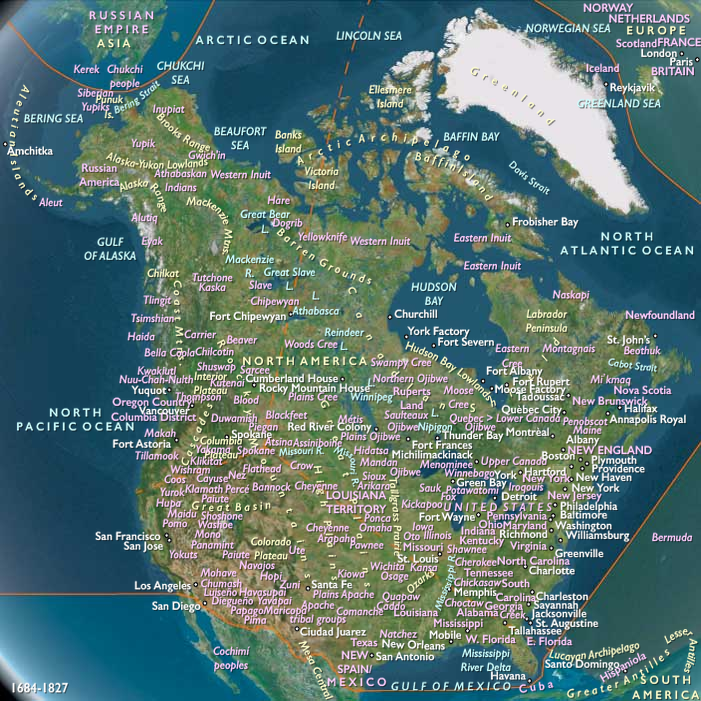
Subregions

Related Events
Showing 10 events out of 26681 total
Years: 1757 - 1757
June
Locations
People
- Daniel Webb
- François-Gaston de Lévis
- Jeffery Amherst, 1st Baron Amherst
- John Campbell, 4th Earl of Loudoun
- Louis-Antoine de Bougainville
- Louis-Joseph de Montcalm
- Pierre de Rigaud de Vaudreuil de Cavagnal, Marquis de Vaudreuil
- William Johnson, 1st Baronet
- William Pitt
Groups
- Iroquois (Haudenosaunee, also known as the League of Peace and Power, Five Nations, or Six Nations)
- Abenaki people (Amerind tribe)
- Wyandot, or Wendat, or Huron people (Amerind tribe)
- Mohawk people (Amerind tribe)
- Lenape or Lenni-Lenape (later named Delaware Indians by Europeans)
- New France (French Colony)
- Shawnees, or Shawanos (Amerind tribe)
- France, (Bourbon) Kingdom of
- Ohio Country
- New York, Province of (English Colony)
- Massachusetts, Province of (English Crown Colony)
- Britain, Kingdom of Great
Topics
- Colonization of the Americas, French
- Colonization of the Americas, British
- French and Indian War
- Fort William Henry, Masscre at
Subjects
Regions
Subregions