
Maritime East Asia (1960–1971 CE): Ideological Upheaval, …
Years: 1960 - 1971
Maritime East Asia (1960–1971 CE): Ideological Upheaval, Economic Expansion, and Diplomatic Realignments
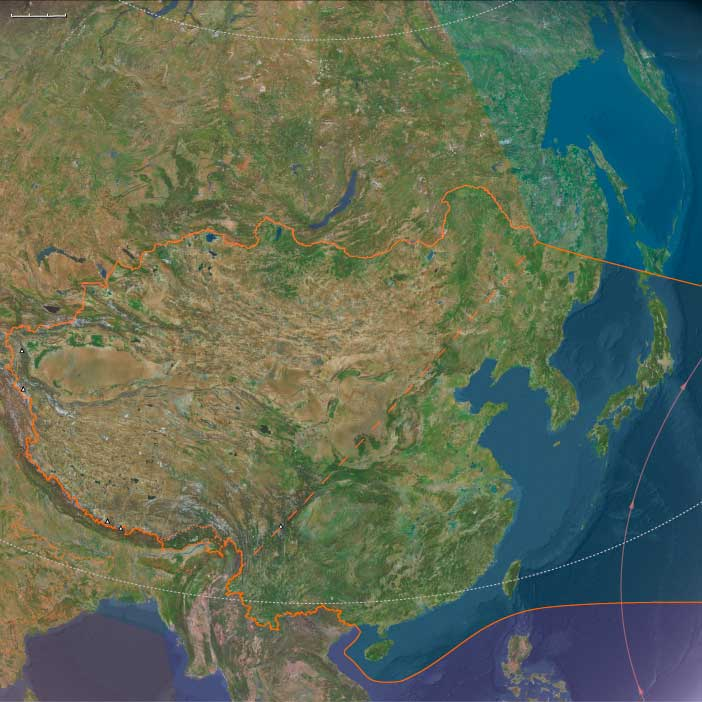
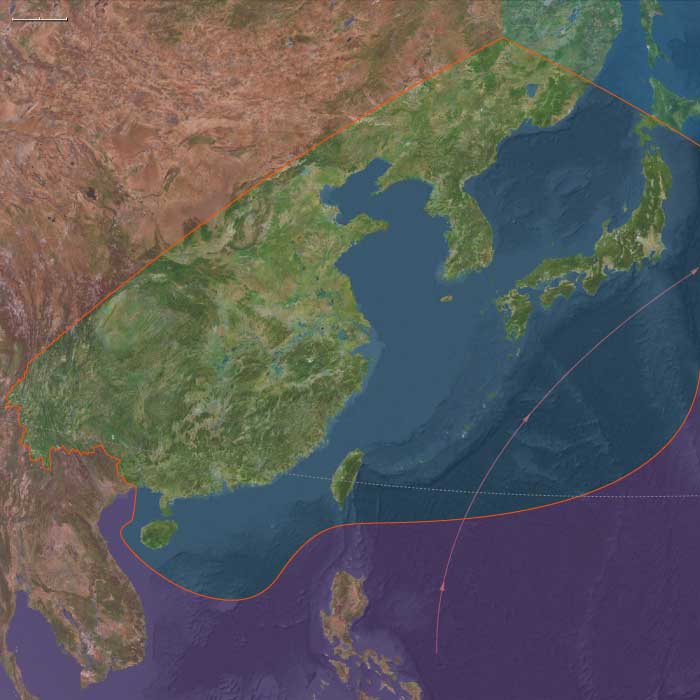
Between 1960 and 1971 CE, Maritime East Asia—comprising lower Primorsky Krai, the Korean Peninsula, the Japanese Archipelago south of northern Hokkaido, Taiwan, and southern, central, and northeastern China—undergoes a dramatic period marked by profound ideological upheaval, accelerated economic expansion, cultural transformation, and significant diplomatic realignments amid the backdrop of global Cold War tensions.
China: The Cultural Revolution and Internal Turmoil
Under the leadership of Mao Zedong, China plunges into the Great Proletarian Cultural Revolution (1966–1976), a decade-long political and ideological movement aimed at purging "counter-revolutionary" elements and consolidating Maoist orthodoxy. Young Red Guards, mobilized by Mao, attack perceived "bourgeois" and traditional influences, leading to widespread social disruption, persecution of intellectuals, destruction of historical artifacts, and severe damage to educational and cultural institutions.
The chaos paralyzes China's political and economic apparatus, yet solidifies Mao's control. Although the initial revolutionary zeal eventually subsides by the early 1970s, the period significantly reshapes China’s society, leaving deep scars and fundamentally altering its political trajectory.
Korea: Deepening Division, Economic Miracle in the South, Isolation in the North
The Korean Peninsula remains rigidly divided, politically and economically, between North and South. North Korea, under Kim Il-sung, adheres to rigid state-controlled economic policies emphasizing heavy industry, military strength, and self-reliance (Juche ideology), becoming increasingly isolated internationally.
Conversely, South Korea, led by authoritarian leader Park Chung-hee after a military coup (1961), begins rapid industrialization through state-directed policies, export-oriented industrial strategies, and heavy foreign investment. Park’s Five-Year Economic Plans transform South Korea into a major economic player, laying foundations for the later South Korean economic miracle (“Miracle on the Han River”), though political repression and human rights abuses accompany these achievements.
Japan: Rapid Economic Growth and Global Re-emergence
In Japan, this period is defined by unprecedented economic growth, as it fully emerges as a global economic power. The Ikeda administration’s “Income Doubling Plan” (1960–1964) dramatically accelerates economic expansion, driven by high technology industries, automotive manufacturing, electronics, and exports to Western markets.
By the late 1960s, Japan is second only to the United States in economic scale, hosting major international events like the 1964 Tokyo Olympics and 1970 Osaka World Expo—both symbols of its remarkable recovery and new status as a global economic and cultural powerhouse. Internally, political stability under the dominant Liberal Democratic Party (LDP) provides a favorable environment for sustained economic expansion.
Taiwan: Continued Economic Development and Authoritarian Rule
Under Chiang Kai-shek’s authoritarian regime, Taiwan continues its economic transformation through rapid industrialization, export-driven growth, and strategic economic planning. The development of advanced manufacturing sectors—including electronics, textiles, and petrochemicals—dramatically increases Taiwanese prosperity, earning it recognition as one of Asia’s emerging economic successes.
Despite severe political repression under continued martial law, Taiwan benefits significantly from U.S. military protection and economic support, solidifying its position within Western geopolitical alignments and laying crucial groundwork for future democratization.
Regional Diplomacy: Shifts and Realignments Amid Cold War Context
Lower East Asia also sees significant diplomatic shifts. In 1971, in a diplomatic watershed moment, the People’s Republic of China replaces the Republic of China (Taiwan) as the legitimate representative of China at the United Nations, dramatically altering international diplomatic alignments. Concurrently, Japan normalizes relations with South Korea (1965), strengthening economic cooperation. Throughout, the region remains a pivotal theater for Cold War geopolitical maneuvering.
Legacy of the Era: Transformation, Expansion, and Persistent Tensions
Between 1960 and 1971 CE, Maritime East Asia endures transformative upheaval, economic dynamism, and complex diplomatic realignment. China experiences profound ideological and social turmoil, while South Korea, Japan, and Taiwan rapidly modernize, dramatically expanding their economic influence and international roles. North Korea’s continued isolation and militarization deepen regional tensions. This dynamic period profoundly shapes East Asia’s subsequent political, economic, and diplomatic trajectories, setting lasting precedents for the region’s contemporary global significance.
People
Groups
- United States of America (US, USA) (Washington DC)
- Kuomintang (KMT)
- Communist Party of China
- Japan, Showa Period
- Taiwan (Republic of China protectorate)
- United Nations, The (U.N.)
- Korea, (First) Republic of (South Korea)
- Korea, Democratic People's Republic of (North Korea)
- China, Republic of (Taiwan)
- China, People's Republic of
- Taiwan (Republic of China)
Topics
Commodoties
Subjects
Regions
Subregions
Years: 1960 - 1971
People
Groups
- United States of America (US, USA) (Washington DC)
- Kuomintang (KMT)
- Communist Party of China
- Japan, Showa Period
- Taiwan (Republic of China protectorate)
- United Nations, The (U.N.)
- Korea, (First) Republic of (South Korea)
- Korea, Democratic People's Republic of (North Korea)
- China, Republic of (Taiwan)
- China, People's Republic of
- Taiwan (Republic of China)
Topics
Commodoties
Subjects
Regions
Subregions