Event
Maritime East Africa (7,821–6,094 BCE): Coastal Foragers,…
Maritime East Africa (7,821–6,094 BCE): Coastal Foragers, Rising Mangroves, and the Unpeopled Western Indian Ocean Islands.
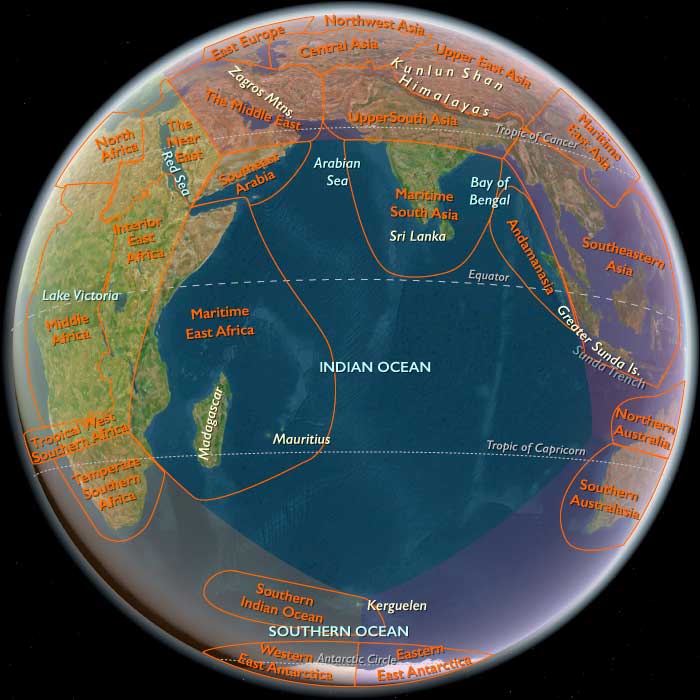
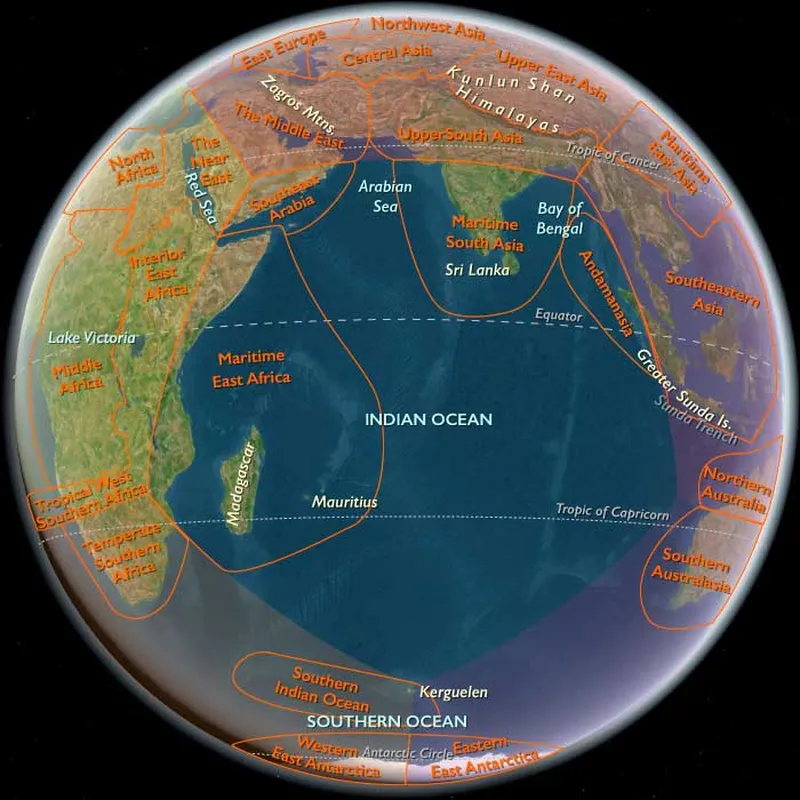
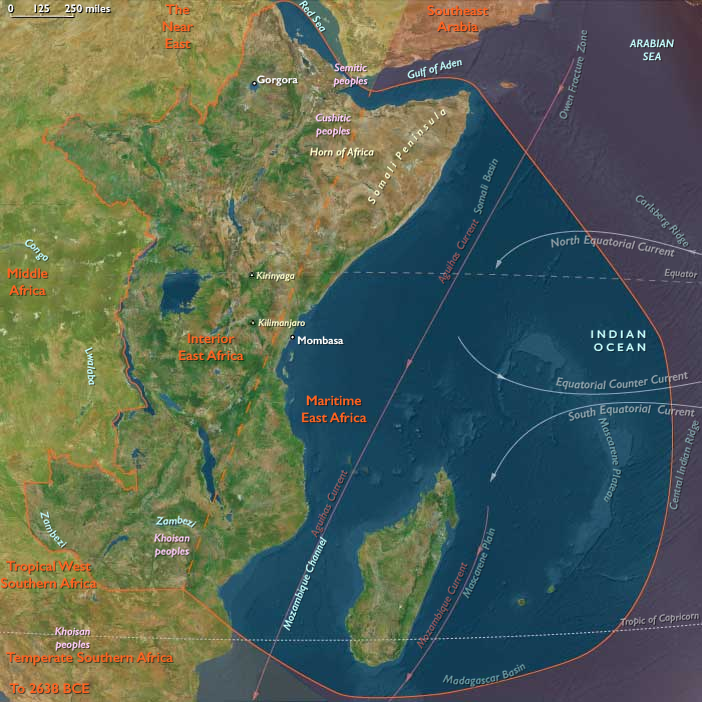
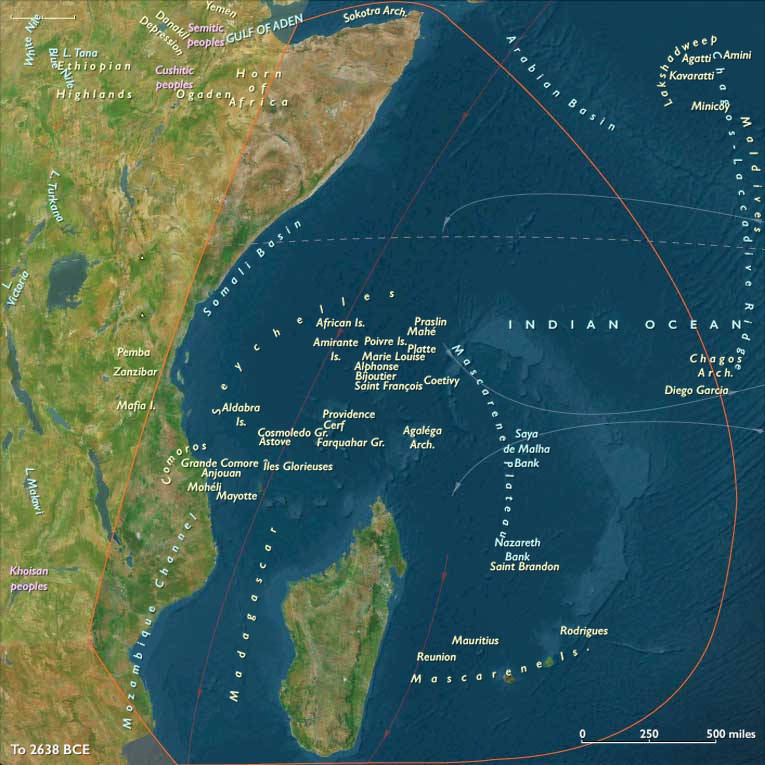
During the Early Holocene, Maritime East Africa extended from the Somali coast through Kenya and Tanzania to northern and central Mozambique and southern Malawi, together with the islands of the western Indian Ocean from Zanzibar and the Comoros to Madagascar, the Seychelles and the Mascarenes. Human occupation was ancient and secure along the African mainland, while the offshore island world followed very different settlement histories.
Along the Kenyan and Tanzanian coasts, Later Stone Age hunter-gatherers occupied environments where tropical woodland, grassland, rivers and the Indian Ocean met. At places such as Panga ya Saidi and the Kilwa coast, communities repeatedly used ecotonal landscapes rich in small game, terrestrial plants and freshwater resources, while marine foods became increasingly available through the Holocene.
These coastal communities did not depend primarily on the sea. Hunting and gathering in woodland and grassland remained central, while shellfish, fish and other littoral resources supplemented inland foods differently from place to place. Stone tools were accompanied by organic technologies of wood, fiber and hide that survive only rarely.
Rising sea level continued to reshape the entire coast. Estuaries migrated inland, mangrove belts expanded or shifted, river mouths changed position and former low coastal plains disappeared beneath the Indian Ocean. Some Early Holocene camps and shorelines now lie offshore or beneath younger sediment.
Farther north along the Somali coast, drier scrub and seasonal grassland remained important despite stronger Early Holocene moisture. Wadis, springs and coastal lagoons concentrated human activity within otherwise semi-arid country. Southward, Kenya and Tanzania supported more extensive woodland–grassland mosaics.
Northern Mozambique and southern Malawi also remained inhabited by hunter-gatherers. River valleys, miombo woodland, lakeshores and seasonal wetlands supplied game, fish and gathered foods. In southern Malawi, foragers hunted predominantly small and medium-sized animals within relatively localized ranges, demonstrating persistent adaptation to woodland rather than a dependence on large open-country herds.
Domestic livestock and cultivated crops had not yet entered these mainland societies. The later pastoral, agricultural and iron-working transformations of eastern Africa remained thousands of years in the future.
The nearshore islands of Zanzibar, Pemba and Mafia occupied productive tropical marine environments of coral reef, woodland and freshwater catchments. Human use may have occurred intermittently in some island settings, but the settled farming and fishing communities securely documented in later millennia had not yet formed.
Madagascar presented a more difficult history. The island supported immense ecological diversity, from humid eastern rainforest and central uplands to western seasonal woodland and southwestern dry forest. Elephant birds, giant lemurs, pygmy hippopotamuses and giant tortoises lived among these environments without the large-scale habitat alteration that later accompanied human settlement.
Possible traces of human butchery on very early animal remains suggest that people may already have reached Madagascar before this period, but the evidence remains disputed and lacks a corresponding Early Holocene settlement record. Human presence during this age therefore remains unresolved, while the island's ecological history is much more securely known.
The Comoros remained entirely without human settlement. Their volcanic mountains, humid forests, streams and reef-fringed coasts developed under natural conditions, with seabirds, turtles and marine ecosystems occupying shores that would not receive permanent communities until many millennia later.
The Seychelles likewise remained wholly uninhabited. On their granitic islands, forests, endemic palms, reptiles, giant tortoises and seabirds developed without people or introduced animals. Coral islands and surrounding reefs responded naturally to sea-level and oceanographic change.
Farther south, Mauritius, Réunion and Rodrigues also remained entirely prehuman. Volcanic forests, wetlands, reefs and distinctive endemic fauna occupied islands that would not receive permanent human settlement until the modern era.
Across the western Indian Ocean, monsoon circulation, rainfall and sea-level rise continued to reorganize coastlines and reefs. The mainland remained a deeply inhabited Later Stone Age landscape, while most of the remote offshore islands remained ecological worlds without people.
Legacy of the Age
By 6,094 BCE, Maritime East Africa combined ancient human occupation along the African coast with a largely unpeopled island world offshore. Hunter-gatherers continued to occupy the woodland, grassland, river and coastal ecotones of Kenya, Tanzania, Mozambique and southern Malawi, adapting flexibly to Early Holocene hydroclimatic change without farming or livestock. Madagascar remained an unresolved exception: possible traces of very early human activity exist, but no secure settlement landscape can yet be reconstructed. The Comoros, Seychelles and Mascarenes remained entirely human-free. The defining history of the age was therefore the persistence of diverse African coastal foraging systems beside western Indian Ocean islands whose ecosystems still developed overwhelmingly without human presence.

-
{# Image navigates to the detail page; the magnifying-glass chip is the only Fancybox lightbox trigger (kept a separate sibling — anchors can't nest). #}
 The Indian Ocean Lands
World
-
{# Image navigates to the detail page; the magnifying-glass chip is the only Fancybox lightbox trigger (kept a separate sibling — anchors can't nest). #}
 East Africa
Region
-
{# Image navigates to the detail page; the magnifying-glass chip is the only Fancybox lightbox trigger (kept a separate sibling — anchors can't nest). #}
 Maritime East Africa
Subregion