Event
Maroons in Trelawny Parish, Jamaica feel that…
Maroons in Trelawny Parish, Jamaica feel that they are being mistreated under the terms of Cudjoe's Treaty of 1739, which had ended the First Maroon War.
The spark of the war is the flogging of two Maroons by a black slave for stealing two pigs.
When six Maroon leaders come to the British to present their grievances, the British take them prisoner.
Fighting begins in mid-August, 1795.
Five months of bloody stalemate ensue.
The five thousand British troops and militia outnumber the Maroons ten to one, but the island’s forested mountain terrain is ideal for guerrilla warfare.
The British import from Cuba around one hundred bloodhounds and their handlers.
The Maroons surrender in December 1795.
The treaty signed in December between Major General George Walpole and the Maroon leaders establishes that the Maroons would beg on their knees for the King's forgiveness, return all runaway slaves, and be relocated elsewhere in Jamaica.
The governor of Jamaica ratifies the treaty, but gives the Maroons only three days to present themselves to beg forgiveness on January 1, 1796.
Suspicious of British intentions, most of the Maroons did not surrender until mid-March.
The British use the contrived breach of treaty as a pretext to deport the entire Trelawny town Maroons to Nova Scotia.
After a few years the Maroons, some five hundred people, will again be deported, this time to the new British settlement of Sierra Leone in West Africa.
-
{# Image navigates to the detail page; the magnifying-glass chip is the only Fancybox lightbox trigger (kept a separate sibling — anchors can't nest). #}
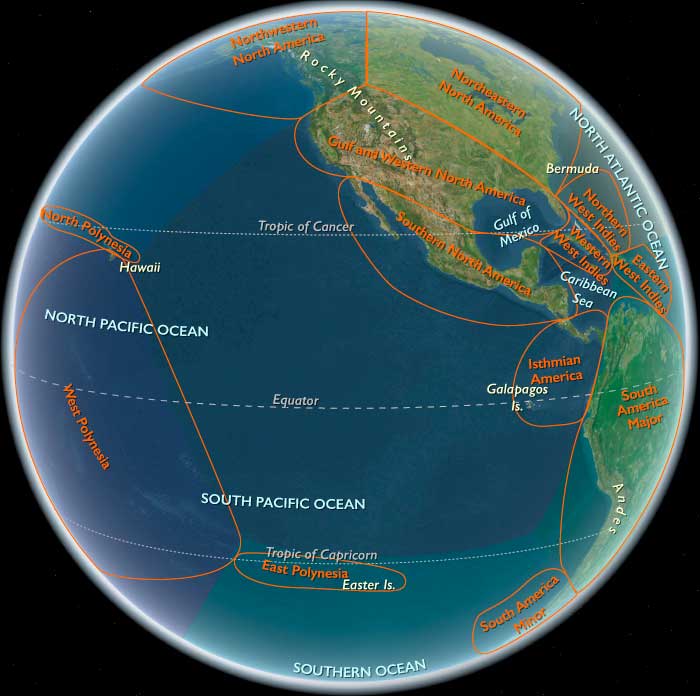
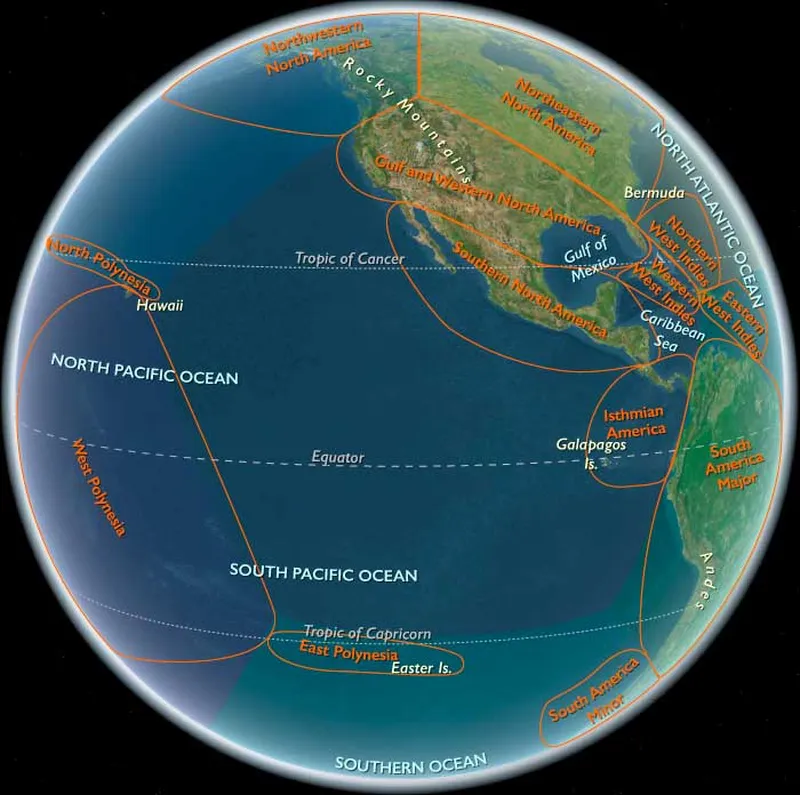 The Far West
World
-
{# Image navigates to the detail page; the magnifying-glass chip is the only Fancybox lightbox trigger (kept a separate sibling — anchors can't nest). #}
 West Indies
Region
-
{# Image navigates to the detail page; the magnifying-glass chip is the only Fancybox lightbox trigger (kept a separate sibling — anchors can't nest). #}
 Western West Indies
Subregion