
Mediterranean Southwest Europe (21–10 BCE): Augustus and …
Years: 21BCE - 10BCE
Mediterranean Southwest Europe (21–10 BCE): Augustus and the Foundation of Caesaraugusta
The era 21–10 BCE highlights Augustus’s profound influence on Roman territorial and urban expansion, marked notably by the strategic foundation of new cities in Iberia, reinforcing Rome’s imperial transformation through colonization and consolidation.
Foundation of Caesaraugusta
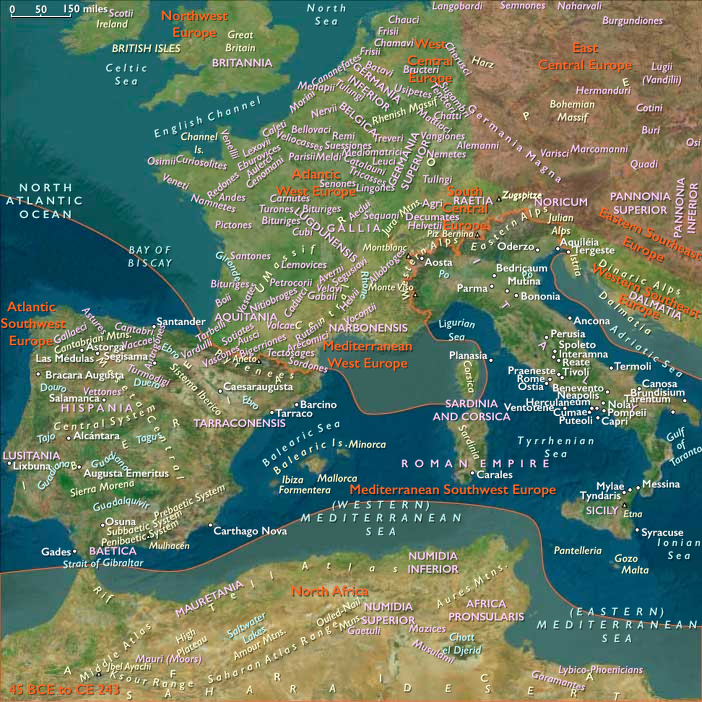
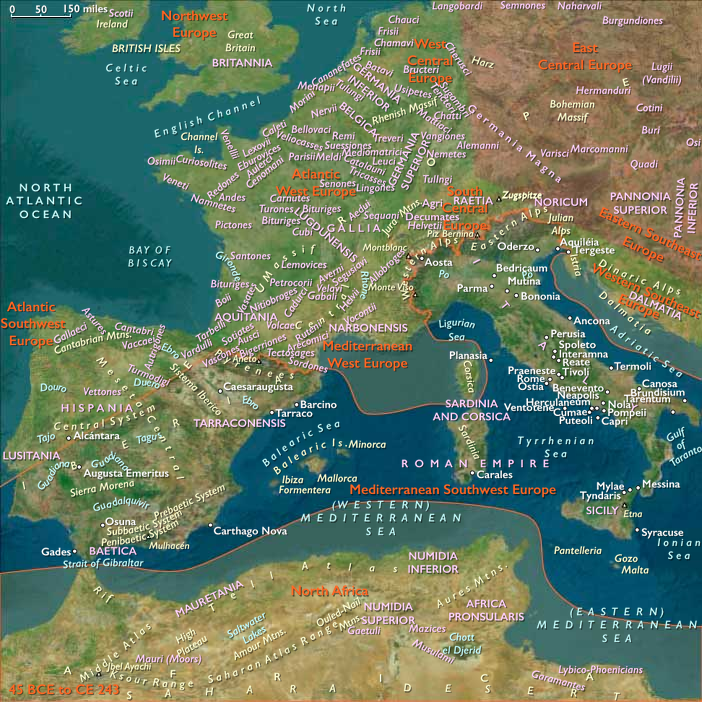
During this period, Augustus founds Caesaraugusta—modern-day Zaragoza—in Iberia, strategically establishing a city to settle veterans from the Cantabrian Wars. Caesaraugusta occupies the site of the ancient Iberian village Salduie(known as Salduba in Roman sources), representing Rome's policy of rewarding military service and ensuring territorial stability.
Although the exact date of Caesaraugusta’s founding remains uncertain, historical evidence places it confidently between 25 BCE and 12 BCE. This urban development exemplifies the broader Roman effort to solidify control and integrate conquered territories into the imperial structure.
Veteran Settlements and Romanization
The establishment of veteran colonies such as Caesaraugusta is a deliberate strategy employed by Augustus to anchor Roman authority in newly acquired regions. By settling Roman citizens—particularly veterans—in these territories, Augustus ensures the proliferation of Roman culture, law, and governance, significantly influencing the historical trajectory of Iberia.
Administrative Consolidation and Governance
Augustus continues his administrative reforms, improving provincial governance by enhancing local autonomy, efficiency, and reducing corruption. These measures strengthen Rome’s administrative framework, promoting economic prosperity and societal stability throughout the provinces.
Cultural and Ideological Patronage
Augustus’s rule also sustains significant cultural patronage, promoting literature, arts, and public architecture to emphasize imperial values of peace, prosperity, and moral integrity. Such cultural projects reinforce Augustus’s image as the restorer of Roman traditions and virtues.
Legacy of the Era
The era 21–10 BCE exemplifies Augustus's strategic approach to empire-building through urban foundations and veteran settlements, laying robust foundations for Roman influence in Mediterranean Southwest Europe. These actions significantly contribute to Rome’s long-term stability and the consolidation of imperial authority.
People
Groups
Topics
Subjects
Regions
Subregions
Years: 21BCE - 10BCE
People
Groups
Topics
Subjects
Regions
Subregions