Event
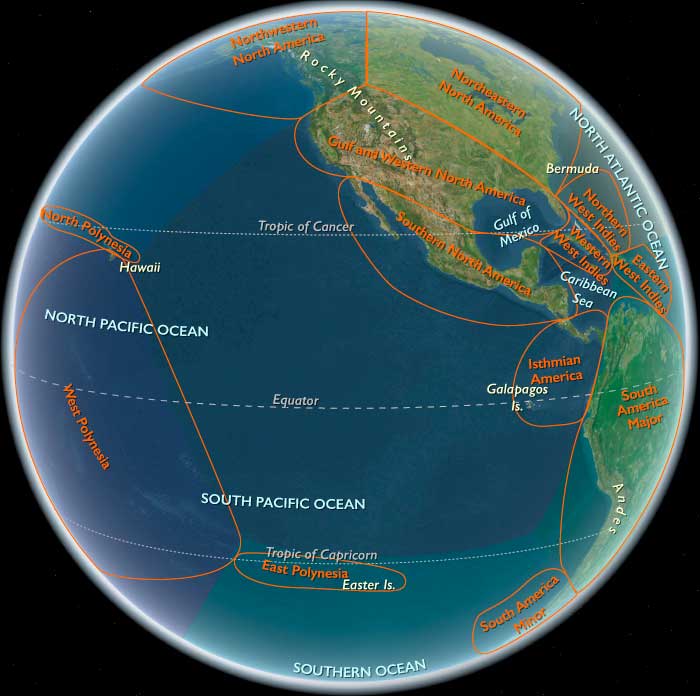
Southern North America (909–478 BCE): Agricultural Foundations…
Southern North America (909–478 BCE): Agricultural Foundations and Emerging Ceremonial Centers
Environmental Continuity
Southern North America's diverse ecological zones—volcanic uplands, tropical forests, fertile valleys, limestone plains, wetlands, and coastal lowlands—continued providing the enduring foundation of society. Seasonal rainfall, periodic droughts, and volcanic landscapes shaped settlement, agriculture, and movement throughout the region.
Human Adaptation
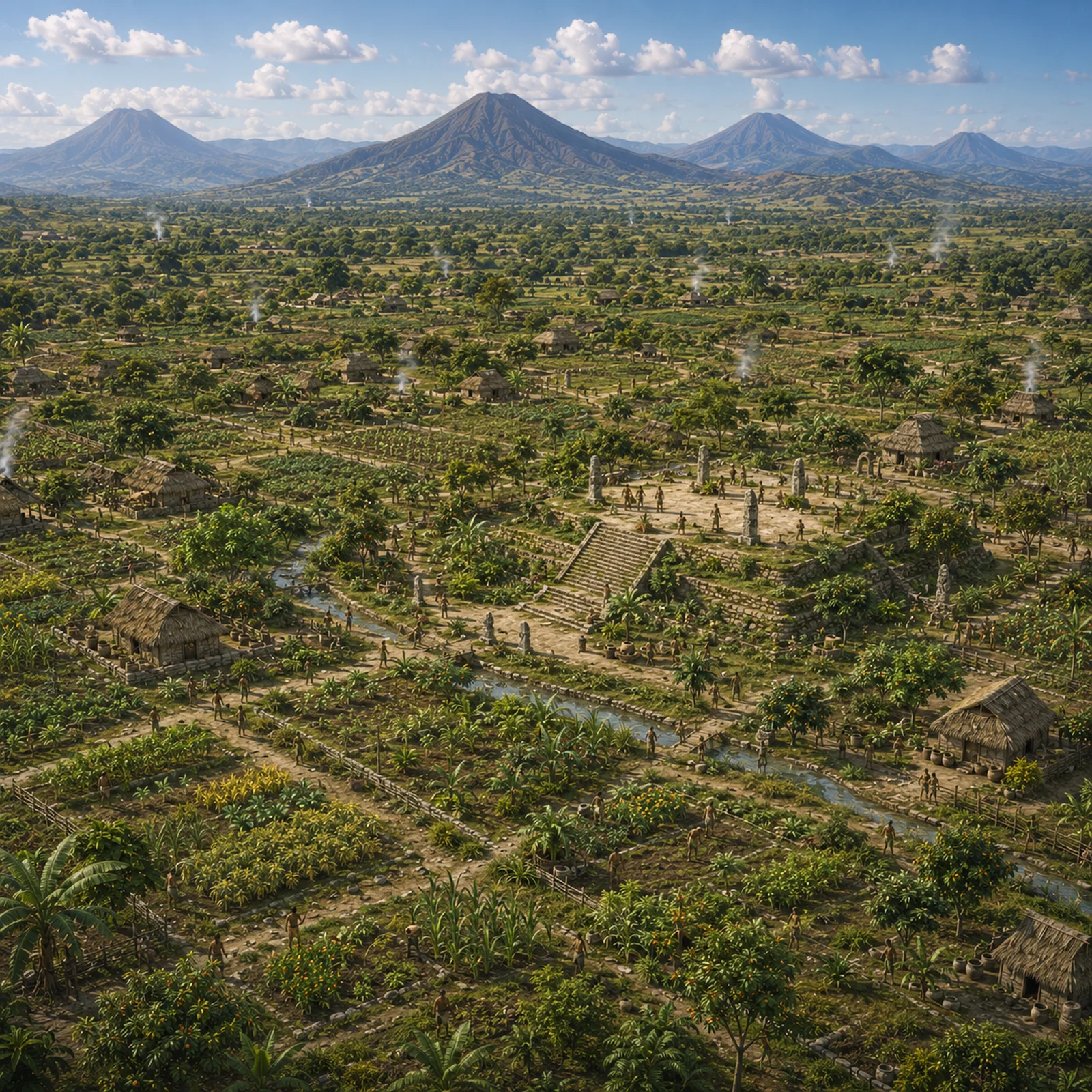
Communities expanded intensive cultivation of maize, beans, squash, chili peppers, cotton, cacao, and numerous local crops using terracing, raised fields, irrigation, forest gardens, and carefully managed agricultural landscapes. Distinct ecological zones encouraged complementary patterns of production linking highlands, forests, and coastal regions.
Economic Organization
Regional exchange steadily expanded among highland valleys, Gulf lowlands, Pacific coasts, and tropical forests. Obsidian, jade, marine shells, salt, ceramics, textiles, cacao, feathers, and other specialized goods circulated through increasingly organized trade routes connecting diverse ecological regions.
Institutions and Society
Permanent towns expanded while ceremonial centers became increasingly prominent within productive agricultural landscapes. Monumental construction began accelerating in several regions, accompanied by growing administrative organization, early writing traditions, calendrical knowledge, and expanding ceremonial life.
Political Development
Regional kingdoms and city-states gradually emerged across southern Mexico and the Maya Lowlands. Political authority increasingly rested upon dynastic leadership, agricultural productivity, religious institutions, and long-distance exchange while remaining regionally diverse rather than unified.
-
{# Image navigates to the detail page; the magnifying-glass chip is the only Fancybox lightbox trigger (kept a separate sibling — anchors can't nest). #}
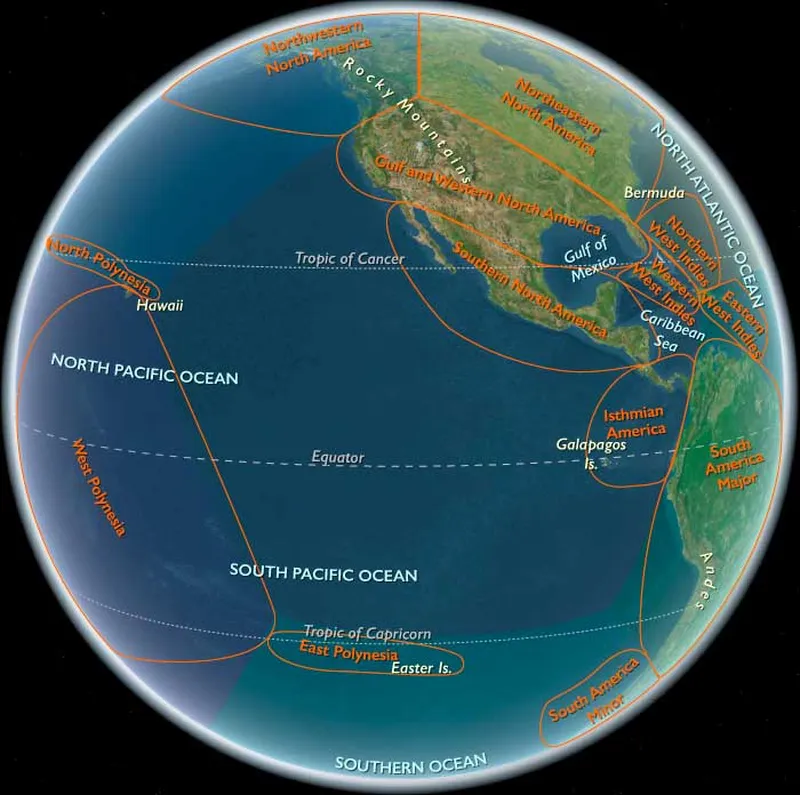 The Far West
World
-
{# Image navigates to the detail page; the magnifying-glass chip is the only Fancybox lightbox trigger (kept a separate sibling — anchors can't nest). #}
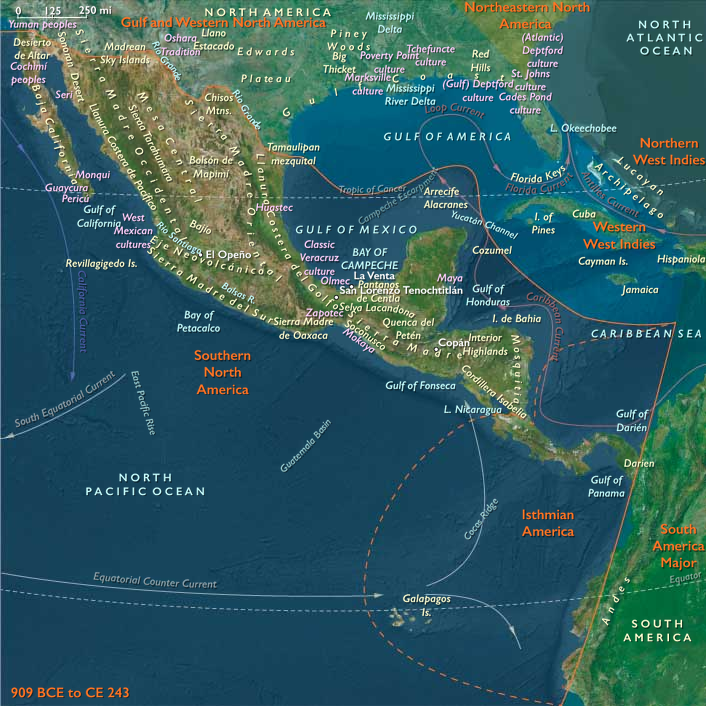 Middle America
Region
-
{# Image navigates to the detail page; the magnifying-glass chip is the only Fancybox lightbox trigger (kept a separate sibling — anchors can't nest). #}
 Southern North America
Subregion