
Michelangelo Merisi da Caravaggio was born in …
Years: 1592 - 1592
July
Michelangelo Merisi da Caravaggio was born in Milan, where his father, Fermo Merisi, was a household administrator and architect-decorator to the Marchese of Caravaggio.
His mother, Lucia Aratori, came from a propertied family of the same district.
The family moved in 1576 to Caravaggio in Lombardy to escape a plague which ravaged Milan.
Caravaggio's father died there in 1577 and his mother in 1584.
It is assumed that the artist grew up in Caravaggio, but his family kept up connections with the Sforza and with the powerful Colonna family, who were allied by marriage with the Sforzas, and destined to play a major role later in Caravaggio's life.
Apprenticed in 1584 for four years to the Lombard painter Simone Peterzano, described in the contract of apprenticeship as a pupil of Titian, Caravaggio appears to have stayed in the Milan-Caravaggio area after his apprenticeship ended, but it is possible that he visited Venice and saw the works of Giorgione, whom Federico Zuccari later accused him of imitating, and Titian.
He would also have become familiar with the art treasures of Milan, including Leonardo da Vinci's Last Supper, and with the regional Lombard art, a style which valued simplicity and attention to naturalistic detail and was closer to the naturalism of Germany than to the stylized formality and grandeur of Roman Mannerism.
Caravaggio had fled Milan for Rome in mid-1592 after "certain quarrels" and the wounding of a police officer.
He had arrived in Rome "naked and extremely needy ... without fixed address and without provision ... short of money.” A few months later he was performing hackwork for the highly successful Giuseppe Cesari, Pope Clement VIII's favorite painter, "painting flowers and fruit" in his factory-like workshop.
Boy Peeling Fruit, the earliest known work by the young Caravaggio, is painted circa 1592-1593, soon after his arrival in Rome.
Seen as a simple genre painting, it differs from most in that the boy is not 'rusticated,' that is, he is depicted as clean and well-dressed instead of as a 'cute' ragamuffin.
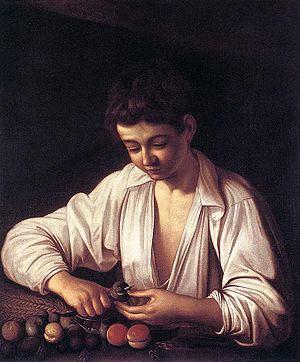
Caravaggio: Boy Peeling Fruit (1592-1593) Oil on canvas, 75.5 cm × 64.4 cm (29.7 in × 25.4 in), Longhi Collection, Rome
Locations
People
Groups
Topics
- Renaissance, Italian
- Protestant Reformation
- Counter-Reformation (also Catholic Reformation or Catholic Revival)
- Western Art: 1588 to 1600
Subjects
Regions

Subregions
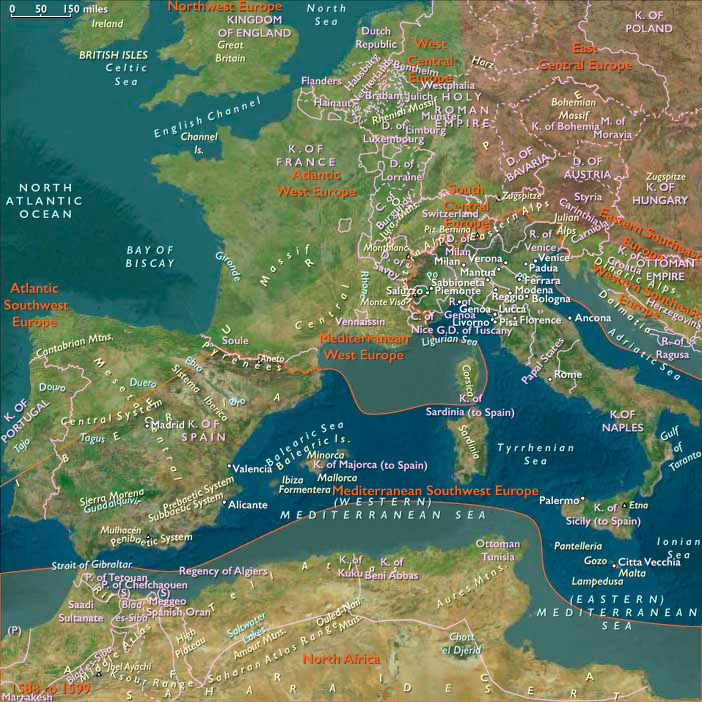
Years: 1592 - 1592
July
Caravaggio: Boy Peeling Fruit (1592-1593) Oil on canvas, 75.5 cm × 64.4 cm (29.7 in × 25.4 in), Longhi Collection, Rome
Locations
People
Groups
Topics
- Renaissance, Italian
- Protestant Reformation
- Counter-Reformation (also Catholic Reformation or Catholic Revival)
- Western Art: 1588 to 1600
Subjects
Regions
Subregions