
Atlantic West Europe: Shifting Alliances, Renaissance Patronage, …
Years: 1504 - 1515
Atlantic West Europe: Shifting Alliances, Renaissance Patronage, and Early Reformation (1504–1515)
The era from 1504 to 1515 in Atlantic West Europe is defined by intensified geopolitical rivalries, a flourishing Renaissance culture increasingly shaped by royal patronage, and early tremors of religious reform that foreshadow larger upheavals to come. France and the Low Countries remain central, as their rulers navigate shifting alliances and conflicts, while economic prosperity and artistic achievements provide the backdrop to this critical transitional period.
Political and Military Developments
The early part of the era sees the continuing consolidation of Habsburg authority in the Low Countries, as Philip the Handsome asserts his dominance until his sudden death in 1506, after which the regency of his widow, Joanna of Castile, and subsequently his sister, Margaret of Austria, shapes political stability and cultural prosperity in the region. Margaret’s capable governance reinforces Habsburg control, overseeing diplomatic, cultural, and economic flourishing, especially in cities like Antwerp, Ghent, and Bruges.
In France, the ambitious Louis XII continues his attempts at territorial expansion, notably in Italy, sustaining the costly and complex Italian Wars. His rivalry with the Habsburgs escalates further when young Charles of Habsburg, Philip’s heir, begins inheriting vast European territories, heralding future conflicts.
This period also witnesses England’s increased involvement in continental affairs under Henry VIII, complicating diplomatic relations in Atlantic West Europe. In 1513, Louis XII suffers a major setback at the Battle of the Spurs against English and Habsburg forces, reflecting the ongoing military volatility in the region.
Economic Developments
Economic prosperity continues, notably in the flourishing trading city of Antwerp, which further solidifies its position as Europe's most important commercial hub. Antwerp benefits from expanding international trade routes, connecting northern Europe with Mediterranean and newly emerging transatlantic markets.
In France, royal patronage supports urban and commercial growth, especially in cities such as Lyon, Rouen, and Paris, which develop thriving markets for luxury goods, textiles, and fine craftsmanship. Increased investment in trade infrastructure—such as roads, bridges, and marketplaces—facilitates internal commerce, supporting France’s economic resilience despite ongoing wars.
Cultural and Artistic Flourishing
The years from 1504 to 1515 represent a high point in Renaissance artistic patronage in Atlantic West Europe. The courts of Louis XII in France and Margaret of Austria in the Low Countries become leading centers of culture and art, drawing renowned artists and humanists.
Margaret's court in Mechelen becomes an influential center of music, literature, and visual arts, hosting leading Flemish artists such as Jan Gossaert (Mabuse), whose works introduce Italian Renaissance motifs, nudity, and classical themes to northern traditions.
In France, royal patronage elevates the careers of artists and scholars, including French court painter Jean Perréal, as well as poets and humanists who enrich cultural life with Italianate learning and aesthetics.
Religious and Intellectual Developments
The early sixteenth century witnesses subtle yet important movements toward religious reform and humanist thought. In France, scholars such as Jacques Lefèvre d'Étaples begin questioning traditional interpretations of scripture, laying intellectual groundwork for future reformers. Though still within the Catholic fold, these movements signal broader shifts in religious thought and practice that will soon erupt in the Reformation.
Meanwhile, humanism becomes increasingly influential, promoting educational reform and critical thinking, and fostering a new scholarly rigor in theology and philosophy across the region.
Technological and Societal Shifts
Technological advances, especially in printing, continue reshaping society. The increasing availability of printed books accelerates the spread of Renaissance humanism and early reformist ideas. Military technology also advances, with artillery and improved fortifications becoming common in warfare, transforming battle tactics and city defenses.
Societal shifts include growing urban influence, as prosperous merchant classes in the Low Countries and France gain prominence, gradually challenging traditional aristocratic structures and feudal privilege.
Long-term Consequences and Significance
The period from 1504 to 1515 serves as a crucial bridge to the transformative events of the early sixteenth century. The geopolitical rivalry between France and the Habsburgs intensifies, setting the stage for future conflicts. Economically, Antwerp and other major cities solidify their roles in the expanding global trade network. Culturally, royal courts in France and the Low Countries foster an artistic and intellectual flourishing that profoundly impacts European culture. Crucially, emerging religious ideas anticipate the seismic changes of the Protestant Reformation, ensuring that this era will shape Europe's religious, political, and cultural landscape profoundly in the decades to come.
People
- Charles V, Holy Roman Emperor
- Henry VIII of England
- Jacques Lefèvre d’Étaples
- Jan (Gossaert) Mabuse
- Jean Perréal
- Joanna of Castile
- Louis XII of France
- Margaret of Austria
- Philip I of Castile
Groups
- Flanders, County of
- Christians, Roman Catholic
- France, (Valois) Kingdom of
- Holy Roman Empire
- Netherlands, Habsburg
Topics
Commodoties
Subjects
Regions
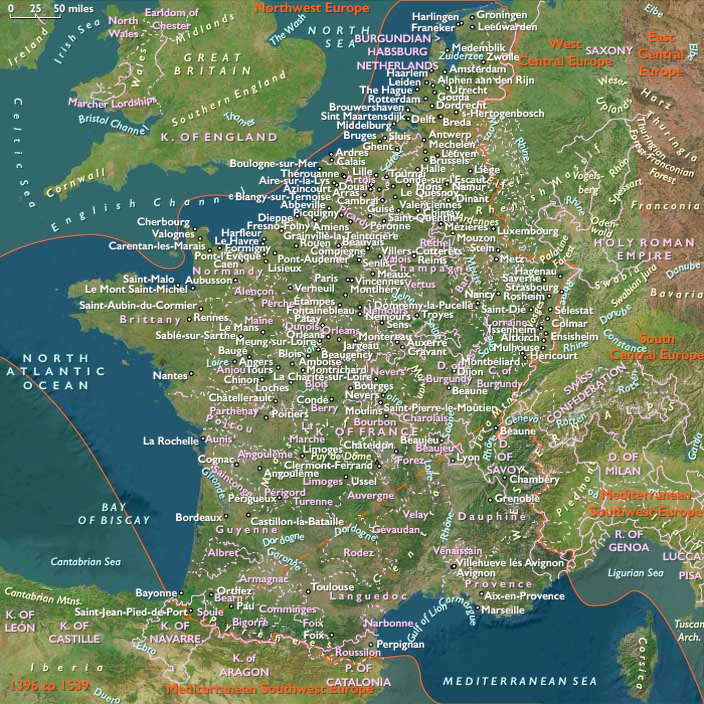
Subregions
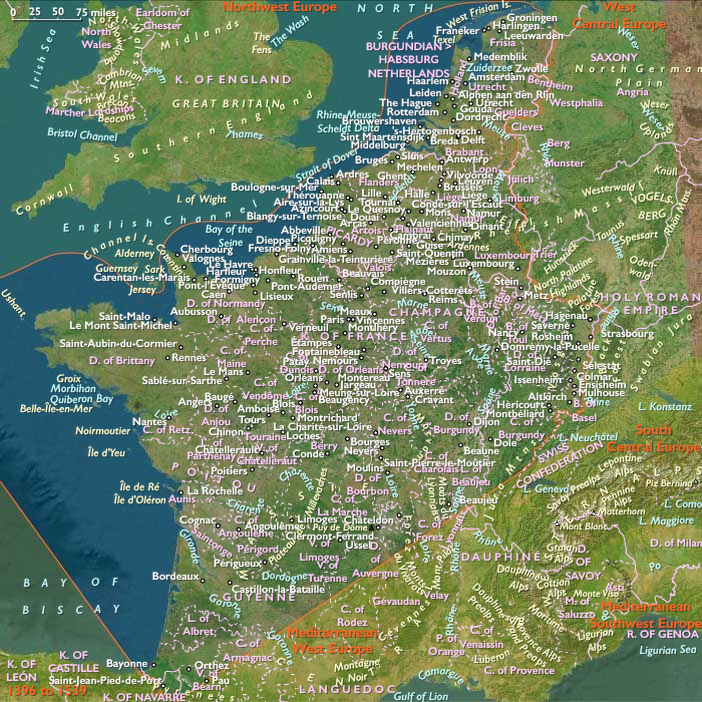
Related Events
Showing 3 events out of 3 total
Years: 1504 - 1515
People
- Charles V, Holy Roman Emperor
- Henry VIII of England
- Jacques Lefèvre d’Étaples
- Jan (Gossaert) Mabuse
- Jean Perréal
- Joanna of Castile
- Louis XII of France
- Margaret of Austria
- Philip I of Castile
Groups
- Flanders, County of
- Christians, Roman Catholic
- France, (Valois) Kingdom of
- Holy Roman Empire
- Netherlands, Habsburg
Topics
Commodoties
Subjects
Regions
Subregions