Tuscan-born composer Luigi Boccherini is buried on…
June 1805 CE
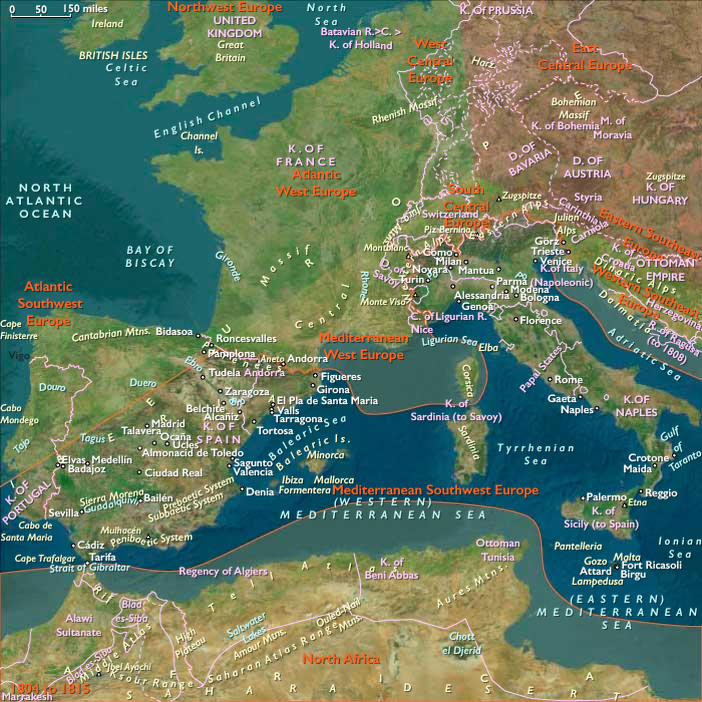
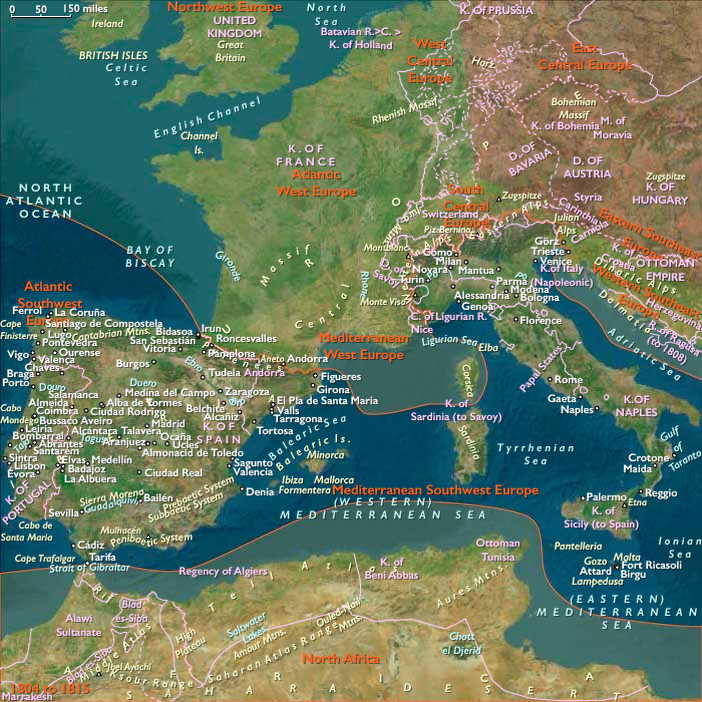
Tuscan-born composer Luigi Boccherini is buried on June 1, 1805, in St. Michael's Basilica, Madrid, after being found dead on May 28.
Born in Lucca, Italy, into a musical family, Boccherini's father, a cellist and double-bass player, had sent him to study in Rome at a young age.
In 1757 they had both gone to Vienna, where the court employed them as musicians in the Burgtheater.
In 1761 Boccherini had gone to Madrid, entering in 1770 the employ of Infante Luis Antonio of Spain (1727–1785), younger brother of King Charles III of Spain.
Here he had flourished under royal patronage, until one day when the King expressed his disapproval at a passage in a new trio, and ordered Boccherini to change it.
The composer, no doubt irritated with this intrusion into his art, had doubled the passage instead, which led to his immediate dismissal.
He had then accompanied Don Luis (the Infante) to Arenas de San Pedro, a little town in the Gredos Mountains; there, and in the nearest town of Candeleda, Boccherini wrote many of his most famous works.
Later patrons included the French ambassador to Spain, Lucien Bonaparte (1775–1840), as well as King Friedrich Wilhelm II of Prussia (1744–1797), himself an amateur cellist, flautist, and avid supporter of the arts.
Boccherini had fallen on hard times following the deaths of his Spanish patron (1785), his two wives (1785 and 1805), and his four daughters (1796, 1802 and 1804).
He is survived by two sons.
Locations
Topics
Subjects
Regions
Southwest Europe
View →Subregions