Event
Near East (532–543 CE): Plague, Kingdoms, and…
Near East (532–543 CE): Plague, Kingdoms, and Religious Expansion
In the era from 532 to 543 CE, significant events reshape the Near East through the emergence of epidemics, the establishment of kingdoms, and continued religious developments.
Plague of Justinian
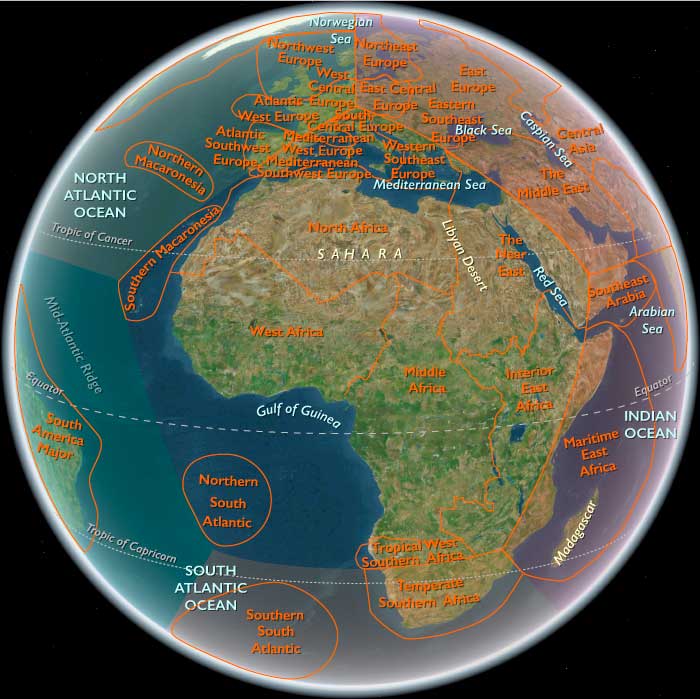
The Byzantine historian Procopius reports an epidemic soon known as the Plague of Justinian, first noted in 541 CE at the port of Pelusium, near modern-day Suez, Egypt. This plague rapidly spreads, devastating populations throughout the Mediterranean and profoundly affecting the social and economic structures of the Byzantine Empire.
Rise of the Kingdom of Makuria
During this period, Old Dongola, a fortress city along the Nile River in modern-day Sudan, emerges as the capital of the kingdom of Makuria. Although its origins are uncertain, ancient geographer Ptolemy references a Nubian people known as the Makkourae, possible ancestors of the Makurians. Historians generally believe the kingdom formed around the fourth or fifth century. Early accounts by sixth-century chroniclers note the kingdom's initial hostility to Monophysite Christian missionaries traveling to neighboring Alodia, while John of Biclarum subsequently records their adoption of the rival Melkite faith. Several prominent churches, including the renowned "Old Church," are constructed in this period, marking a significant phase in Nubian Christianity.
Justinian’s Jerusalem
The Christian glorification of Jerusalem continues robustly into the sixth century under Emperor Justinian's patronage. The significant rebuilding of the Church of the Resurrection—also known as the Church of the Holy Sepulchre—occurs alongside the construction of many new churches, monasteries, and hospices. These developments transform Jerusalem into an even more revered pilgrimage center, reinforcing its critical role in the Christian spiritual and cultural landscape.
Legacy of the Era
The years 532–543 CE leave a substantial legacy in the Near East, defined by the far-reaching effects of the Justinianic plague, the consolidation and religious evolution of Nubian kingdoms such as Makuria, and the flourishing of Christian institutions in Jerusalem. These events collectively shape the religious, cultural, and political dynamics of the region for centuries.
-
{# Image navigates to the detail page; the magnifying-glass chip is the only Fancybox lightbox trigger (kept a separate sibling — anchors can't nest). #}
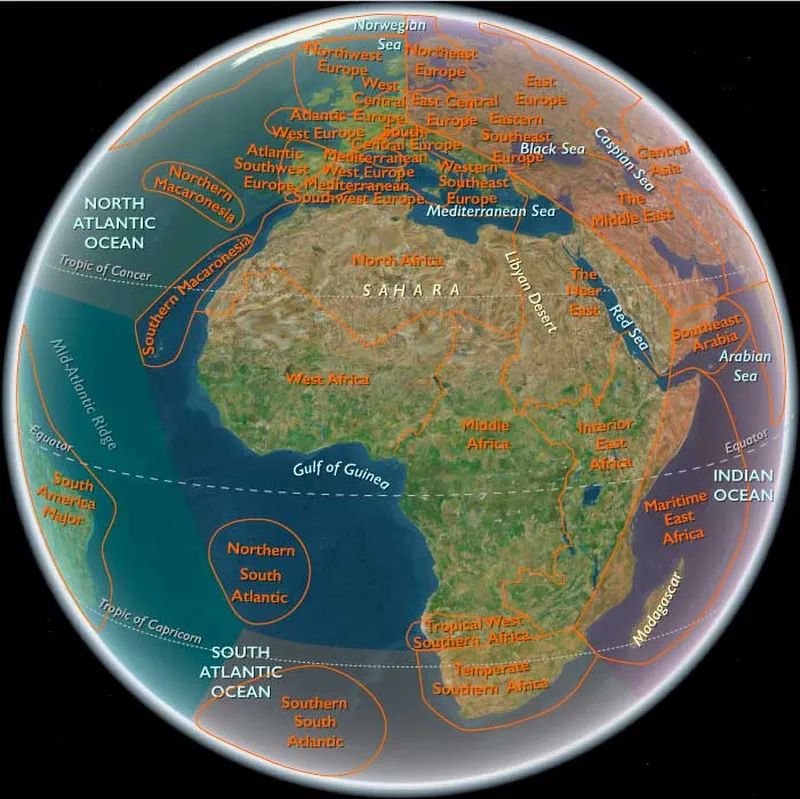 The Middle of The Earth
World
-
{# Image navigates to the detail page; the magnifying-glass chip is the only Fancybox lightbox trigger (kept a separate sibling — anchors can't nest). #}
 The Near and Middle East
Region
-
{# Image navigates to the detail page; the magnifying-glass chip is the only Fancybox lightbox trigger (kept a separate sibling — anchors can't nest). #}
 Near East
Subregion