
North Africa (81–70 BCE) Roman Stability, …
Years: 81BCE - 70BCE
North Africa (81–70 BCE)
Roman Stability, Numidian Adjustment, Mauretanian Prosperity, Cyrenaic Continuity, and Berber Integration
Roman Provincial Stability and Economic Development
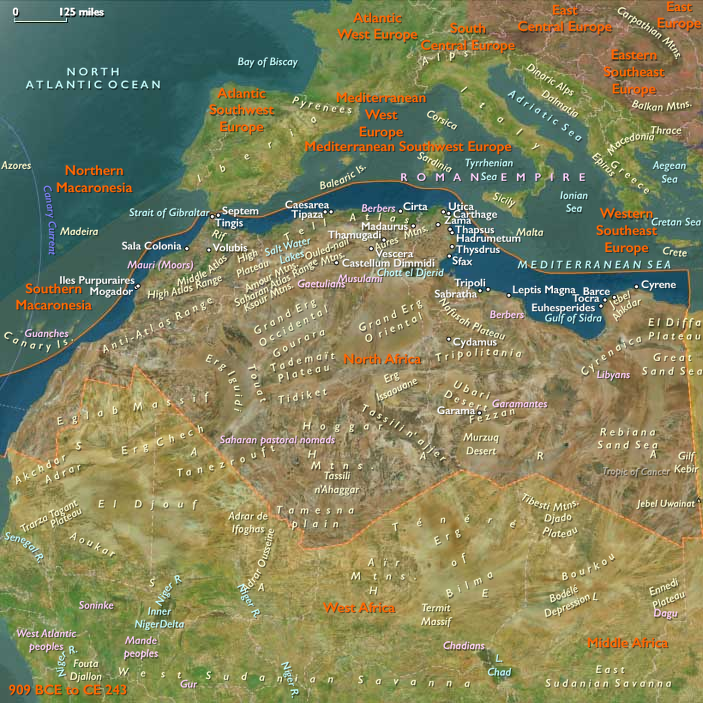
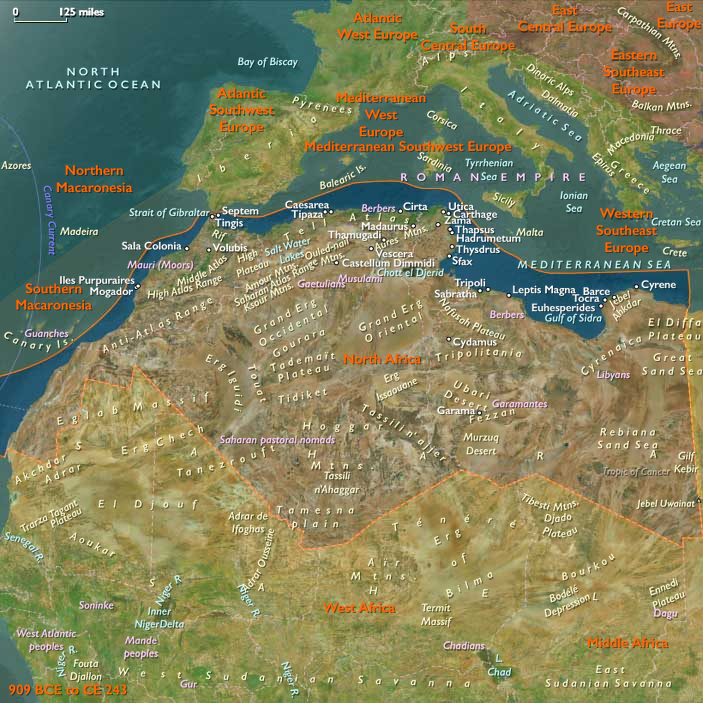
Between 81 and 70 BCE, Roman provincial administration continues to deepen stability and economic development across Africa Proconsularis. Key urban centers, particularly Utica, maintain robust economic growth through enhanced infrastructure, effective governance, improved agricultural practices, and expanded trade networks. These efforts solidify the province’s integration into Rome’s broader Mediterranean economic system, enhancing regional prosperity.
Numidia: Adjustment and Roman Integration
During this era, Numidia further adapts to Roman political and economic influence, effectively managing its reduced autonomy. The kingdom continues to contribute significantly to regional agricultural production and trade. Numidia’s leadership, carefully navigating Roman oversight, ensures internal stability and economic resilience, maintaining a balance between regional identity and Roman administrative demands.
Mauretania: Economic Growth and Diplomatic Stability
Mauretania under Bocchus I remains prosperous and stable, benefiting substantially from strengthened diplomatic ties and increased economic integration with Rome. Enhanced trade relationships, particularly along the Mediterranean, reinforce Mauretanian economic growth, enabling the kingdom to leverage its strategic position to further its regional influence and prosperity.
Cyrenaica: Ongoing Economic and Cultural Prosperity
Cyrenaica remains economically vibrant under sustained Ptolemaic governance. The Greek Pentapolis—Cyrene, Barce (Al Marj), Euhesperides (Benghazi), Teuchira (Tukrah), and Apollonia (Susah)—continues thriving economically, with sustained exports in grain, wine, wool, livestock, and the highly valued medicinal plant Silphium.
Culturally, Cyrene maintains its prominent reputation as a center of learning, continuing to attract distinguished scholars, philosophers, and medical experts from across the Hellenistic world. Its renowned institutions and architectural heritage reinforce Cyrenaica’s ongoing cultural prominence.
Berber Communities: Continued Economic Integration and Cultural Resilience
Berber populations actively engage with expanding Roman and Mediterranean economic networks, ensuring sustained regional economic integration. Coastal economic hubs, especially Oea (Tripoli), continue to thrive through dynamic commercial exchanges, providing indirect support and economic stability to inland Berber tribes.
Inland Berber communities persist in maintaining traditional governance and cultural practices, benefiting from ongoing coastal economic activity. This consistent interaction fosters regional stability, strengthening Berber cultural resilience and economic continuity.
Cultural Exchange and Religious Syncretism
Continued dynamic interactions among Berber, Roman, and Greek communities enrich local artistic traditions, notably in pottery, textiles, and metalworking. Religious syncretism remains vibrant, blending indigenous Berber customs seamlessly with Roman, Greek, and Phoenician religious influences, contributing significantly to the region’s diverse and cohesive cultural fabric.
Solid Foundations for Future Stability
By 70 BCE, North Africa demonstrates sustained prosperity and stability through robust Roman provincial governance, Numidia’s successful adaptation to Roman oversight, Mauretania’s economic growth, continued Cyrenaic prosperity, and the enduring economic and cultural resilience of Berber communities. Collectively, these factors firmly anchor North Africa’s ongoing significance within the broader Mediterranean geopolitical landscape.
People
Groups
- Berber people (also called Amazigh people or Imazighen, "free men", singular Amazigh)
- Roman Republic
- Numidia, Kingdom of
- Cyrenaica, (Ptolemaic) Kingdom of
- Africa proconsularis (Roman province)
- Tripolitania (Roman province)
- Mauretania, Kingdom of
Commodoties
Subjects
- Commerce
- Architecture
- Conflict
- Mayhem
- Faith
- Government
- Scholarship
- Metallurgy
- Medicine
- Philosophy and logic
Regions
Subregions
Related Events
Showing 4 events out of 4 total
Years: 81BCE - 70BCE
People
Groups
- Berber people (also called Amazigh people or Imazighen, "free men", singular Amazigh)
- Roman Republic
- Numidia, Kingdom of
- Cyrenaica, (Ptolemaic) Kingdom of
- Africa proconsularis (Roman province)
- Tripolitania (Roman province)
- Mauretania, Kingdom of
Commodoties
Subjects
- Commerce
- Architecture
- Conflict
- Mayhem
- Faith
- Government
- Scholarship
- Metallurgy
- Medicine
- Philosophy and logic
Regions
Subregions