
North Polynesia (1960–1971 CE) Early Statehood …
Years: 1960 - 1971
North Polynesia (1960–1971 CE)
Early Statehood and Economic Expansion
Following statehood in 1959, the newly formed State of Hawaii entered a period of rapid economic expansion and modernization between 1960 and 1971. Federal funding increased significantly, supporting extensive improvements in infrastructure, housing developments, and transportation networks. The islands also experienced substantial population growth, driven by domestic migration from the continental United States as well as continued international immigration.
Continued Tourism Boom and Commercial Growth
Tourism remained the cornerstone of North Polynesia's economy, reaching unprecedented levels as Hawaii’s profile as a premier global destination solidified. The introduction of commercial jet service substantially boosted tourist arrivals, particularly after the establishment of regular flights by major airlines. Landmark developments like the construction and opening of the Ala Moana Shopping Center in Honolulu in 1959—which rapidly became the world's largest open-air shopping mall—highlighted the ongoing commercial boom and development.
Environmental Awareness and Preservation Efforts
With increased economic activity came heightened awareness of the islands' environmental fragility. During this era, efforts intensified to preserve Hawaii’s unique ecosystems, natural resources, and cultural landscapes. In 1961, the establishment of the Hawaii Volcanoes National Park (formerly part of the larger Hawaii National Park) as a separate protected area underlined a growing commitment to conservation and environmental stewardship, reflecting broader environmental concerns emerging in American society.
Social Movements and Civil Rights Progress
Social movements also gained prominence during this era, particularly in advocacy for civil rights, indigenous rights, and labor conditions. Activists intensified their focus on the challenges faced by Native Hawaiians, advocating for improved access to education, economic opportunities, and land rights. Additionally, the labor movement continued its strong advocacy through influential unions, resulting in better wages, safer working conditions, and comprehensive social reforms.
Cultural Revival and Identity Affirmation
North Polynesia continued its robust cultural revival, emphasizing a renewed respect for and preservation of indigenous Hawaiian culture. Educational curricula increasingly incorporated traditional Hawaiian history, language, and cultural practices. This period witnessed heightened visibility of Hawaiian music, hula, and cultural festivals, marking a significant affirmation of identity that celebrated Polynesian heritage in contrast to earlier pressures toward Americanization.
Continued Military and Strategic Importance
The ongoing Cold War reinforced the strategic value of Hawaii and Midway Atoll within North Polynesia. Major military bases on Oahu, notably Pearl Harbor, continued as essential hubs for U.S. military operations in the Pacific, including support roles during the escalating conflict in Vietnam (1955–1975). This ongoing military significance brought sustained federal investment, though also perpetuated controversies over land use and environmental concerns.
Political Developments and Local Governance
The first decades of statehood saw growing political maturity and active local governance. Leaders of diverse ethnic backgrounds began to hold increasingly influential positions, reflecting Hawaii’s multicultural composition. The state also navigated significant governance challenges as it sought to balance rapid economic development and population growth with preservation of local resources and cultural values.
Technological Advances and Communications
Technological advancements transformed daily life and economic activity during this era. Improved telecommunications and mass media infrastructure brought the Hawaiian Islands closer to the U.S. mainland and global community. Notably, television and radio became important means for cultural expression, entertainment, education, and political dialogue, shaping local perceptions and identities.
Conclusion of the Era
The period from 1960 to 1971 in North Polynesia was characterized by dynamic growth, significant societal shifts, and increasing integration within American and global contexts. It established the foundations for future economic, cultural, and environmental development, highlighting the ongoing importance of Hawaii and the broader North Polynesian region both strategically and culturally.
Groups
- Korean people
- Japanese people
- Chinese (Han) people
- Portuguese people
- Hawaiians, Native
- Protestantism
- Americans
- United States of America (US, USA) (Washington DC)
- Filipinos
- Midway Atoll (unincorporated territory of the United States)
- Hawaiian Pineapple Company
- Hawaii, State of (U.S.A.)
Topics
Commodoties
Subjects
- Commerce
- Performing Arts
- Public health
- Labor and Service
- Faith
- Government
- Scholarship
- Custom and Law
- Catastrophe
- workers' movement
Regions
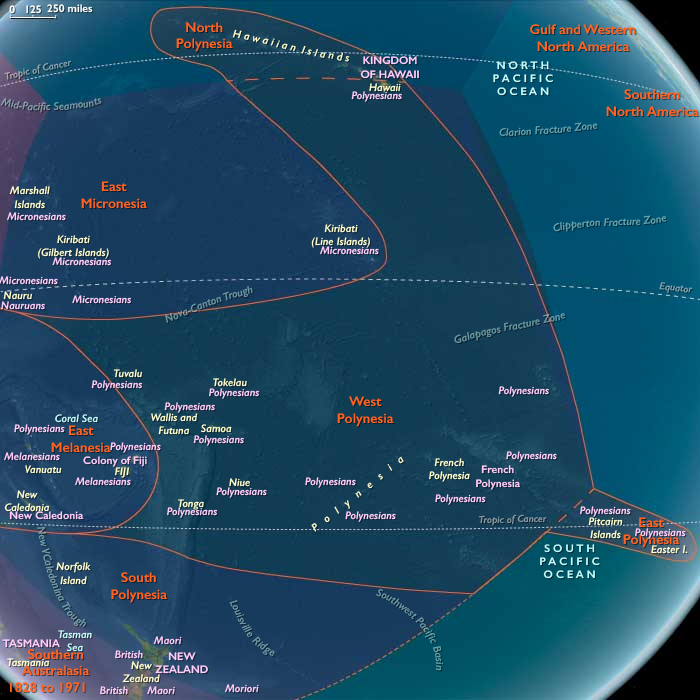
Subregions
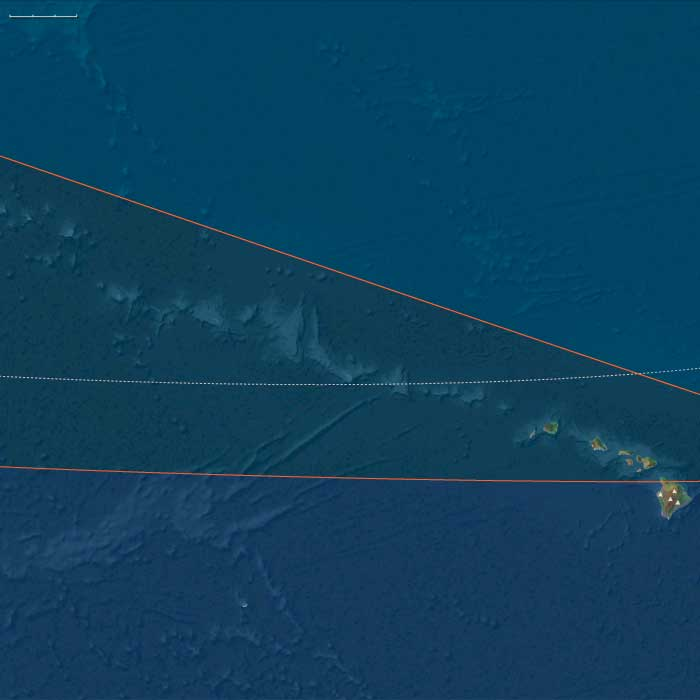
Years: 1960 - 1971
Groups
- Korean people
- Japanese people
- Chinese (Han) people
- Portuguese people
- Hawaiians, Native
- Protestantism
- Americans
- United States of America (US, USA) (Washington DC)
- Filipinos
- Midway Atoll (unincorporated territory of the United States)
- Hawaiian Pineapple Company
- Hawaii, State of (U.S.A.)
Topics
Commodoties
Subjects
- Commerce
- Performing Arts
- Public health
- Labor and Service
- Faith
- Government
- Scholarship
- Custom and Law
- Catastrophe
- workers' movement
Regions
Subregions