
Northeast Europe (1636–1647 CE): Swedish Military Dominance, …
Years: 1624 - 1635
Northeast Europe (1636–1647 CE): Swedish Military Dominance, Diplomatic Realignments, and Cultural Flourishing
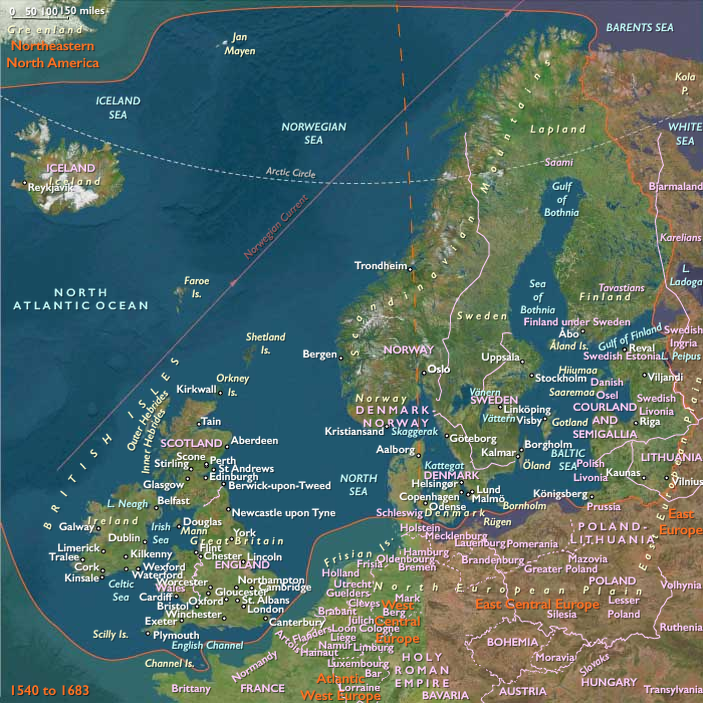
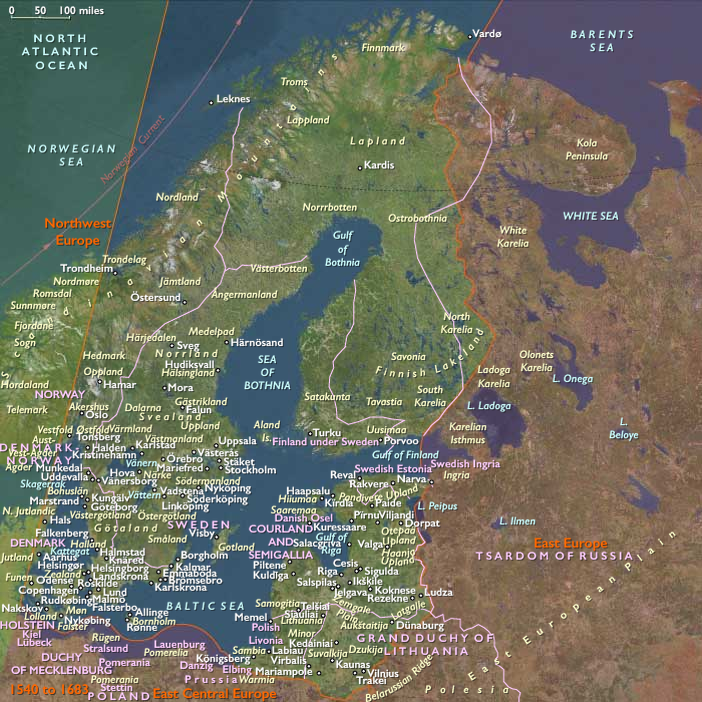
Between 1636 and 1647 CE, Northeast Europe experienced significant geopolitical changes, marked by Sweden’s military ascendancy during the latter stages of the Thirty Years’ War, shifting diplomatic alliances, economic resilience, and substantial cultural and intellectual advancements. Under the dynamic leadership of Queen Christina of Sweden and her influential chancellor, Axel Oxenstierna, Sweden emerged prominently as a leading European power.
Swedish Military Ascendancy in the Thirty Years’ War
Under the rule of the young Queen Christina (r. 1632–1654), guided by Chancellor Axel Oxenstierna, Sweden solidified its military dominance in Northern Europe. Swedish forces secured crucial victories in northern Germany, significantly altering regional geopolitics and asserting Sweden's influence beyond the Baltic. Strategic victories, notably at the Battle of Wittstock in 1636, reinforced Sweden’s continental position, despite ongoing logistical and financial pressures of extended warfare.
Diplomatic Realignments and Alliance Management
Amid shifting military fortunes, intricate diplomatic negotiations shaped Northeast Europe's political landscape. Sweden managed complex alliances within the Protestant coalition, engaging actively with France against the Habsburg Empire. These diplomatic efforts, led effectively by Oxenstierna, helped preserve and strengthen Swedish influence while navigating the shifting allegiances of various German principalities.
Denmark–Norway’s Strategic Neutrality and Economic Strength
King Christian IV of Denmark–Norway maintained cautious neutrality following earlier involvement in the Thirty Years' War. Leveraging stable diplomatic ties, Denmark–Norway strengthened internal governance, economic growth, and military readiness. Despite neutrality, Danish–Swedish tensions persisted, rooted deeply in competing Baltic territorial ambitions and historical rivalries.
Stability and Diplomatic Prudence in Prussia
Under Elector George William (r. 1619–1640), succeeded by Frederick William (the "Great Elector") in 1640, Brandenburg-Prussia adopted a cautious diplomatic approach during the latter stages of the war. Prioritizing internal stability and economic development, notably in Königsberg, the region effectively mitigated wartime disruptions and laid foundations for subsequent economic and military reforms under Frederick William’s leadership.
Economic Resilience in Urban Centers
Major urban centers including Reval (Tallinn), Riga, Königsberg, and Visby continued demonstrating significant economic resilience despite the disruptions of extended warfare. Stable governance, robust merchant networks, and ongoing maritime commerce sustained regional economic prosperity and provided stability amidst broader geopolitical instability.
Cultural and Intellectual Flourishing
This era was marked by considerable cultural and intellectual growth, notably within Sweden and Prussia. Queen Christina’s patronage turned Sweden into a prominent cultural and scholarly hub, attracting renowned European intellectuals such as René Descartes. Academic and intellectual networks expanded, significantly enhancing regional cultural prestige, education, and scholarly innovation.
Continuity and Development in Finland
Finland, under continued Swedish governance, enjoyed relative stability and economic development. Expansion of educational institutions, strengthening of regional administration, and improved economic integration enhanced Finland's strategic importance to Sweden, contributing significantly to broader regional stability and prosperity.
Impact of Religious and Educational Reforms
Lutheran and Protestant educational reforms continued shaping societal and cultural life. Protestant academies and universities, strengthened by the era’s educational advancements, promoted increased literacy, intellectual inquiry, and cultural development, leaving a lasting cultural legacy across Northeast Europe.
Legacy of the Era
The era from 1636 to 1647 CE profoundly reshaped Northeast Europe’s geopolitical and cultural landscape through sustained military success, strategic diplomatic realignments, and substantial intellectual advancements. Sweden's strengthened international position, Denmark–Norway’s strategic prudence, Prussia’s diplomatic caution, and cultural flourishing defined regional identities, diplomatic relationships, and territorial alignments for subsequent decades.
People
- Albert Frederick, Duke of Prussia
- Axel Oxenstierna
- Christian IV
- Christina of Sweden
- George William
- Gustav II Adolf Vasa
- Michael of Russia
- René Descartes
- Sigismund III Vasa
- Tycho Brahe
- Władysław IV Vasa
Groups
- Polytheism (“paganism”)
- Latvians, or Letts (Eastern Balts)
- Estonians
- Christians, Roman Catholic
- Finland under Swedish rule
- Hanseatic League
- Crown of the Kingdom of Poland
- Lutheranism
- Sweden, (second) Kingdom of
- Prussia, Duchy of
- Denmark-Norway, Kingdom of
- Forest Finns
- Russia, Tsardom of
- Livonia, Duchy of (Polish Estonia and Latvia)
- Courland and Semigallia, Duchy of
- Estonia, Duchy of (Swedish Estonia)
- Polish-Lithuanian Commonwealth (Commonwealth of the Two Nations)
- Finland, (Swedish) Grand Duchy of
- Ingria, Swedish
- Livonia, Swedish
- Pomerania, Swedish
Topics
Subjects
Regions
Subregions
Related Events
Showing 10 events out of 32911 total
Years: 1624 - 1635
People
- Albert Frederick, Duke of Prussia
- Axel Oxenstierna
- Christian IV
- Christina of Sweden
- George William
- Gustav II Adolf Vasa
- Michael of Russia
- René Descartes
- Sigismund III Vasa
- Tycho Brahe
- Władysław IV Vasa
Groups
- Polytheism (“paganism”)
- Latvians, or Letts (Eastern Balts)
- Estonians
- Christians, Roman Catholic
- Finland under Swedish rule
- Hanseatic League
- Crown of the Kingdom of Poland
- Lutheranism
- Sweden, (second) Kingdom of
- Prussia, Duchy of
- Denmark-Norway, Kingdom of
- Forest Finns
- Russia, Tsardom of
- Livonia, Duchy of (Polish Estonia and Latvia)
- Courland and Semigallia, Duchy of
- Estonia, Duchy of (Swedish Estonia)
- Polish-Lithuanian Commonwealth (Commonwealth of the Two Nations)
- Finland, (Swedish) Grand Duchy of
- Ingria, Swedish
- Livonia, Swedish
- Pomerania, Swedish
Topics
Subjects
Regions
Subregions