
Northeast Europe (1696–1707 CE): The Outbreak of …
Years: 1696 - 1707
Northeast Europe (1696–1707 CE): The Outbreak of the Great Northern War and Shifting Regional Alliances
Between 1696 and 1707 CE, Northeast Europe entered a transformative era defined by the outbreak of the Great Northern War, significant territorial conflicts, and shifting regional alliances. Sweden, Denmark–Norway, Muscovy (soon to become the Russian Empire), the Polish–Lithuanian Commonwealth, and Prussia became deeply entangled in a series of complex military confrontations and diplomatic realignments, reshaping the region’s geopolitical landscape.
Prelude and Outbreak of the Great Northern War
Following the death of Charles XI of Sweden in 1697, his fifteen-year-old son, Charles XII, ascended the throne. Perceiving Sweden’s youthfully governed monarchy as vulnerable, a coalition comprising Denmark–Norway, Muscovy, and Poland–Lithuania formed in 1699–1700, aiming to diminish Swedish dominance and reclaim previously lost Baltic territories. This coalition triggered the onset of the Great Northern War in 1700, marking a pivotal shift in the regional balance of power.
Early Swedish Military Successes and Strategic Decisions
Despite his youth, Charles XII of Sweden swiftly demonstrated military brilliance. In 1700, Swedish forces decisively defeated Russian troops at the Battle of Narva, severely devastating the Russian army. The extent of Russia’s losses provided Sweden with a clear and open opportunity to pursue a full invasion of Russia. However, Charles XII opted not to immediately pursue the retreating Russian forces, instead turning his attention toward the Polish–Lithuanian Commonwealth. In 1702, Swedish forces defeated King Augustus II the Strong and his Saxon allies at the Battle of Klissow, weakening Poland–Lithuania but inadvertently allowing Russia valuable time to rebuild and modernize its army.
Russian Military Reforms and Territorial Ambitions
Capitalizing on this critical respite, Tsar Peter I ("Peter the Great") embarked upon ambitious reforms aimed at modernizing Russia’s military, administrative, and industrial capacities. Peter established Saint Petersburg in 1703, near newly captured Swedish territory along the Baltic Sea, creating a strategic port city emblematic of Russia’s Baltic aspirations and laying groundwork for sustained Russian presence in Northeast Europe.
Internal Turmoil in the Polish–Lithuanian Commonwealth
Under Augustus II, the Polish–Lithuanian Commonwealth faced significant internal political instability exacerbated by factional rivalries and the ongoing military campaigns. Augustus’s involvement in the anti-Swedish coalition embroiled the Commonwealth deeply in the Great Northern War, resulting in prolonged internal discord, territorial devastation, and weakening of its geopolitical influence.
Danish–Norwegian Strategic Maneuvering
Despite early setbacks, Frederick IV of Denmark–Norway maintained active diplomatic and military engagements aimed at counterbalancing Sweden’s influence. Strategic efforts to regain lost territories and safeguard critical maritime routes intensified Danish–Swedish rivalry, significantly shaping ongoing regional conflicts and diplomatic alignments.
Prussian Diplomatic Caution and Economic Strength
The Kingdom of Prussia, established in 1701 under Frederick I, maintained cautious neutrality amid escalating regional conflict. Prussia continued consolidating internal governance, military strength, and economic prosperity, notably in Königsberg and surrounding territories, allowing it to navigate regional turmoil with relative stability.
Economic Resilience in Urban Centers
Despite widespread warfare, major urban centers such as Reval (Tallinn), Riga, Königsberg, and Visby demonstrated remarkable economic resilience. Maritime commerce and vibrant merchant networks maintained economic continuity, significantly mitigating disruptions from the protracted conflict.
Cultural and Intellectual Continuity
Cultural and educational institutions, including prominent Protestant academies and Lutheran universities, persisted despite wartime challenges. Regional scholars continued contributions to intellectual pursuits, maintaining Northeast Europe’s cultural and educational legacy amid considerable military upheaval.
Diplomatic Complexity and Shifting Alliances
Diplomatic interactions intensified as regional powers navigated shifting alliances and strategic negotiations throughout the Great Northern War. Sweden’s early decision to target Poland–Lithuania rather than Russia significantly altered regional strategic considerations, prompting complex diplomatic maneuvering by Denmark–Norway, Russia, Poland–Lithuania, and Prussia to adapt to changing military and political realities.
Legacy of the Era
The era from 1696 to 1707 CE proved pivotal, significantly reshaping Northeast Europe’s geopolitical trajectory. Charles XII’s strategic choice to focus on Poland–Lithuania after the decisive victory at Narva granted Russia critical time to rebuild and modernize its forces—fundamentally altering the balance of power. These decisions and resulting shifts laid critical foundations for Russia's subsequent emergence as a major European power and permanently influenced regional territorial alignments and diplomatic relationships.
People
- Augustus II the Strong
- Charles XI of Sweden
- Charles XII of Sweden
- Christian V
- Frederick IV of Denmark
- Frederick William I of Prussia
- Peter the Great
Groups
- Polytheism (“paganism”)
- Latvians, or Letts (Eastern Balts)
- Estonians
- Christians, Roman Catholic
- Finland under Swedish rule
- Saxony, Electorate of
- Crown of the Kingdom of Poland
- Lutheranism
- Sweden, (second) Kingdom of
- Prussia, Duchy of
- Denmark-Norway, Kingdom of
- Forest Finns
- Russia, Tsardom of
- Courland and Semigallia, Duchy of
- Swedish Empire
- Estonia, Duchy of (Swedish Estonia)
- Polish-Lithuanian Commonwealth (Commonwealth of the Two Nations)
- Finland, (Swedish) Grand Duchy of
- Ingria, Swedish
- Livonia, Swedish
- Pomerania, Swedish
Topics
Subjects
Regions
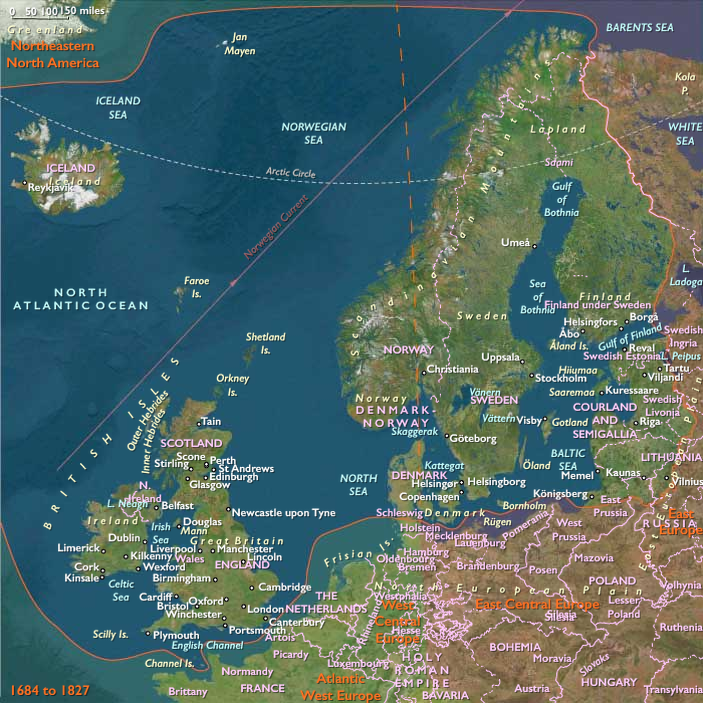
Subregions
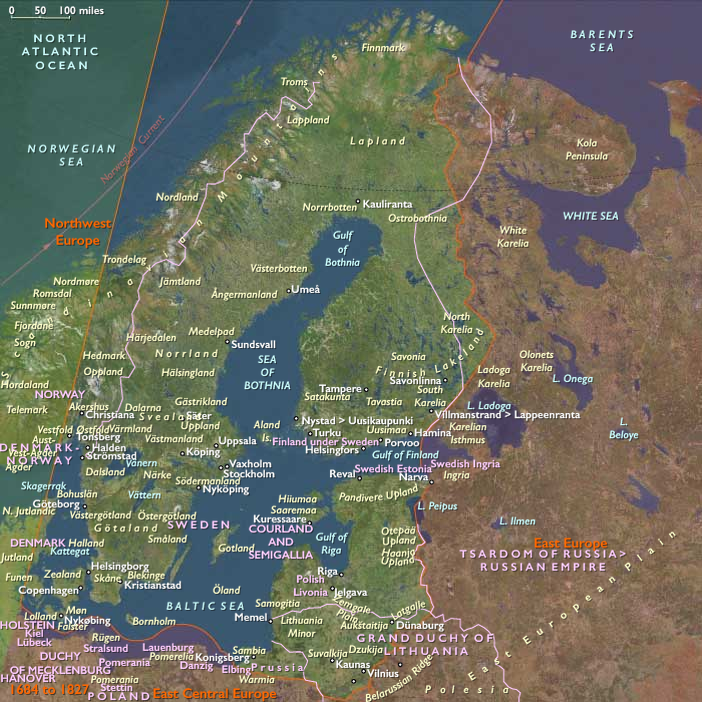
Related Events
Showing 10 events out of 29101 total
Years: 1696 - 1707
People
- Augustus II the Strong
- Charles XI of Sweden
- Charles XII of Sweden
- Christian V
- Frederick IV of Denmark
- Frederick William I of Prussia
- Peter the Great
Groups
- Polytheism (“paganism”)
- Latvians, or Letts (Eastern Balts)
- Estonians
- Christians, Roman Catholic
- Finland under Swedish rule
- Saxony, Electorate of
- Crown of the Kingdom of Poland
- Lutheranism
- Sweden, (second) Kingdom of
- Prussia, Duchy of
- Denmark-Norway, Kingdom of
- Forest Finns
- Russia, Tsardom of
- Courland and Semigallia, Duchy of
- Swedish Empire
- Estonia, Duchy of (Swedish Estonia)
- Polish-Lithuanian Commonwealth (Commonwealth of the Two Nations)
- Finland, (Swedish) Grand Duchy of
- Ingria, Swedish
- Livonia, Swedish
- Pomerania, Swedish
Topics
Subjects
Regions
Subregions