
Upper South Asia (909–766 BCE): Emerging Kingdoms …
Years: 909BCE - 766BCE
Upper South Asia (909–766 BCE): Emerging Kingdoms and Cultural Foundations
Iron Age Expansion and Technological Advancements
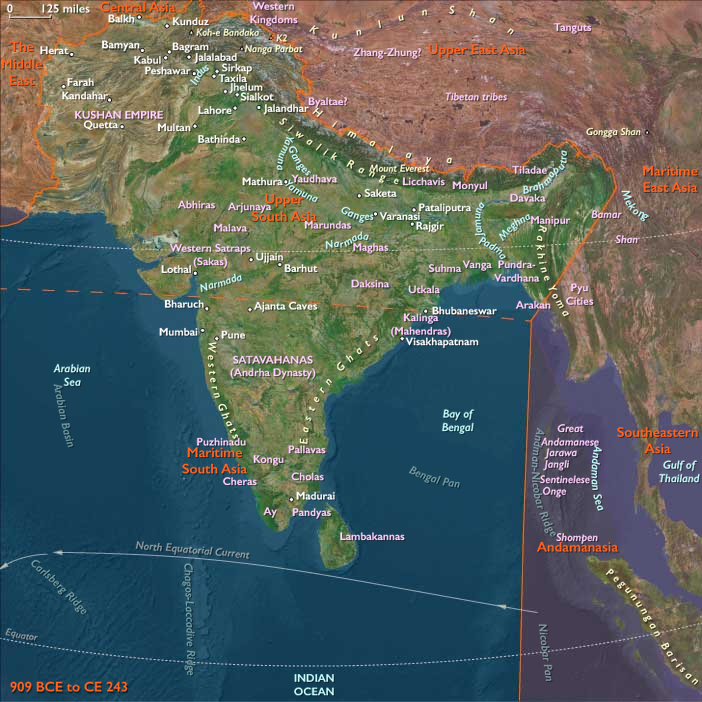
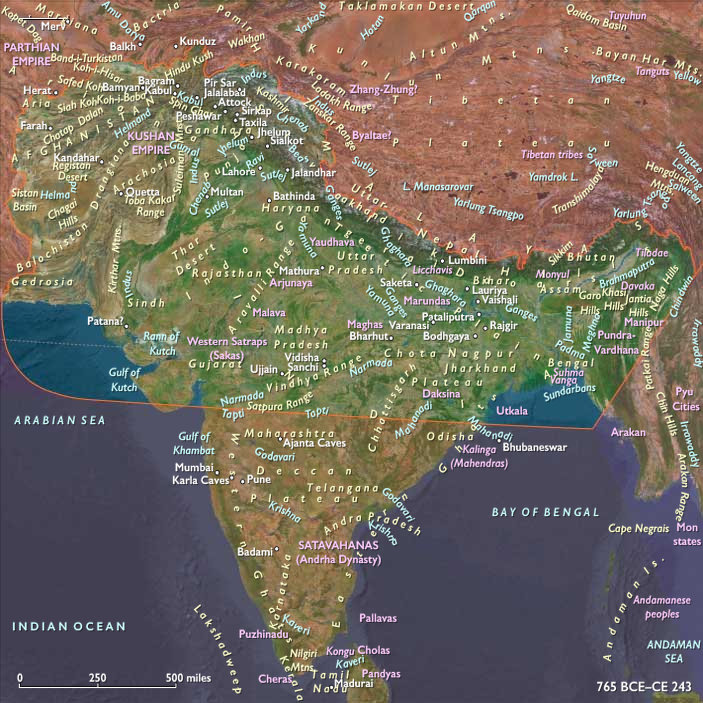
Between 909 and 766 BCE, Upper South Asia experienced significant developments linked to the widespread adoption of iron metallurgy, enhancing agricultural productivity and spurring population growth and urban expansion. Settlements and fortified cities flourished, particularly across Punjab, Haryana, Uttar Pradesh, and into regions such as Bihar, laying crucial foundations for future empires.
Consolidation of Regional Powers
Powerful regional states, notably the Kuru and Panchala kingdoms, rose prominently in the fertile plains of Haryanaand western Uttar Pradesh. These states played central roles in shaping early Indian political traditions and are extensively referenced in later Vedic texts. Concurrently, the early Magadha kingdom began consolidating in present-day Bihar, setting the stage for later dominance.
Societal Structures: Caste System and Cultural Norms
This period saw further crystallization of the caste system. Codified social divisions, prominently detailed in evolving Vedic literature, solidified hierarchical roles among Brahmins (priests and scholars), Kshatriyas (warriors and rulers), Vaishyas (traders and agriculturalists), and Shudras (artisans and laborers), profoundly impacting social and economic structures.
Cultural and Archaeological Complexities
Archaeological cultures, particularly the Painted Grey Ware (PGW) culture, flourished in conjunction with textual narratives. Widely distributed across Punjab, Haryana, and Uttar Pradesh, PGW settlements correlate closely with the territorial domains described in contemporary Vedic texts, reinforcing historical correlations. Additionally, the Black and Red Ware (BRW) culture, prevalent in the eastern Gangetic plains, provided important insights into early urbanization and cultural practices.
Economic and Trade Networks
Economic expansion characterized the era, supported by thriving local trade networks extending into neighboring regions. Notable settlements like Taxila (in contemporary Punjab, Pakistan) began emerging as early urban centers, indicating extensive regional trade and communication channels extending towards Central and West Asia.
Himalayan Integration and Cultural Exchange
Himalayan territories, encompassing modern Himachal Pradesh, Uttarakhand, Nepal, Bhutan, and Ladakh, and the region of present-day Sikkim, increasingly integrated into the economic and cultural milieu of the subcontinent. Himalayan passes facilitated trade and the transmission of early religious and cultural practices between lowland kingdoms and mountain communities.
Eastern Regional Development
In the northeast, territories now identified as Assam, Arunachal Pradesh, Nagaland, Manipur, Meghalaya, Tripura, Mizoram, and adjacent areas of Bangladesh and northwestern Myanmar saw localized advancements. Regional cultures maintained distinctive identities through unique pottery styles, burial customs, and vibrant trade networks linking them with the broader Gangetic plains.
Artistic and Religious Foundations
This period was formative in the development of religious thought and artistic expression, notably through the evolution of early Vedic rituals and mythology. Iconography began reflecting complex religious and cultural symbolism, laying groundwork for later Hindu and Buddhist artistic traditions.
Legacy of the Age
The developments between 909 and 766 BCE marked essential cultural, economic, and political foundations for Upper South Asia, profoundly influencing the trajectory of regional history. The consolidation of social structures, trade networks, and cultural identities during this age resonated deeply, shaping the subcontinent’s historical progression for centuries.
Groups
- Gandhara grave, or Swat, culture
- Vedic period
- Gandhāra
- Painted Grey Ware culture
- Panchalas, Kingdom of the
- Kuru Kingdom
Commodoties
- Weapons
- Gem materials
- Colorants
- Domestic animals
- Grains and produce
- Fibers
- Textiles
- Strategic metals
Subjects
- Painting and Drawing
- Environment
- Decorative arts
- Faith
- Government
- Custom and Law
- Technology
- Medicine
Regions
Subregions
Years: 909BCE - 766BCE
Groups
- Gandhara grave, or Swat, culture
- Vedic period
- Gandhāra
- Painted Grey Ware culture
- Panchalas, Kingdom of the
- Kuru Kingdom
Commodoties
- Weapons
- Gem materials
- Colorants
- Domestic animals
- Grains and produce
- Fibers
- Textiles
- Strategic metals
Subjects
- Painting and Drawing
- Environment
- Decorative arts
- Faith
- Government
- Custom and Law
- Technology
- Medicine
Regions
Subregions