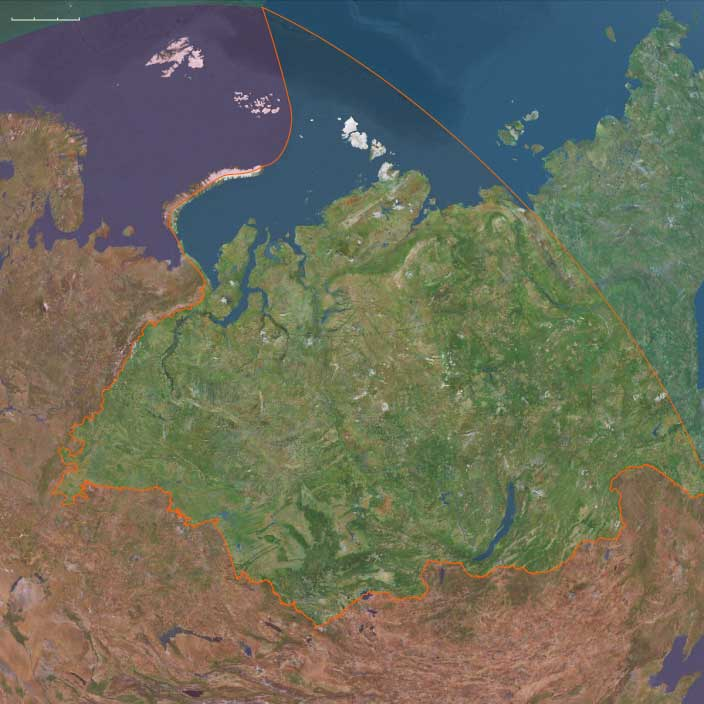
Northwest Asia (1252 – 1395 CE): Golden…
1252 CE to 1395 CE
Northwest Asia (1252 – 1395 CE): Golden Horde Hegemony, Oirat Ascendancy, and Siberian Forest Networks
Geographic and Environmental Context
Northwest Asia stretches from the Ural Mountains eastward to 130°E, encompassing the West Siberian plain, the Yenisei–Ob–Irtysh basins, and the central Siberian taiga and steppe.
-
Steppe corridors spanned the Ural–Ishim–Tobol–Irtysh zones.
-
Forested taiga dominated the Ob–Yenisei drainage, rich in fur and fish.
-
Mountain margins (Altai, Sayan) hosted Turkic and Mongolic pastoral groups.
Climate and Environmental Shifts
-
The early Little Ice Age (~1300 onward) brought colder winters and longer snow cover.
-
Steppe grasslands shrank intermittently under harsher frosts; taiga remained resilient, though hunting cycles shifted with animal migrations.
-
Rivers froze longer, extending winter trade routes over ice.
Societies and Political Developments
-
Western Steppe (Ob–Irtysh–Ural):
-
Fell under the Golden Horde (Jochid ulus) after the Mongol conquests (early 13th c.).
-
Tribute and military levies were exacted from Turkic tribes (Kipchaks, Siberian Tatars).
-
Urban outposts in the lower Irtysh and Ural valleys connected to Sarai and Volga commerce.
-
-
Central Steppe & Altai:
-
Mongol–Turkic lineages competed; Oirat confederations rose in the 14th c., exerting influence over Yenisei–Irtysh pastures.
-
-
Forest–taiga peoples (Khanty, Mansi, Selkup, Ket, Evenki ancestors):
-
Remained outside direct Mongol administration; organized in clan-based bands, paying furs in loose tribute arrangements.
-
Maintained hunting, fishing, and riverine trade networks.
-
-
Yenisei Kyrgyz:
-
Maintained semi-autonomous power in the Sayan–Yenisei region, balancing Mongol pressure and local highland control.
-
-
Novgorod’s reach (west):
-
Novgorodian hunters and traders extended into the Ural–Ob basin, competing indirectly with Mongol authority.
-
Economy and Trade
-
Steppe–oasis economy: herds of horses, sheep, and camels supported nomad wealth; tribute extracted by Golden Horde khans.
-
Forest economy: hunting (sable, squirrel, ermine), fishing, and reindeer herding (in northern margins).
-
Trade routes:
-
Furs from taiga → Golden Horde markets on the Volga, exchanged for iron, salt, and textiles.
-
Ob–Irtysh–Yenisei corridors linked forest trappers to steppe brokers.
-
Altai mines produced metal ores; smithing supplied tools and weaponry.
-
-
Currency of exchange: furs functioned as tribute and trade money; silver coins from Horde mints circulated in southern trade nodes.
Subsistence and Technology
-
Nomads: portable felt yurts, composite bows, herding on horseback.
-
Taiga hunters: skis, birchbark canoes, dog sleds, pitfall traps, and bows.
-
Fishing gear: nets, weirs, harpoons; dried fish staple in winter.
-
Metalwork: Altai forges produced iron knives, arrowheads, and ornaments.
Movement and Interaction Corridors
-
Steppe highways: Ural–Irtysh–Ob arcs conveyed caravans between Volga markets and Mongolia.
-
River corridors: Ob and Yenisei served as trade arteries; winter sledding routes sped fur transport.
-
Forest trails: portages linked river basins; clan networks managed hunting territories.
-
Altai passes: funneled herds and caravans between steppe and taiga.
Belief and Symbolism
-
Nomads: maintained Tengrist sky and ancestor worship, increasingly blended with Islam under Golden Horde elites after the mid-14th c.
-
Forest peoples: animistic traditions honored river, animal, and sky spirits; shamans mediated hunting luck and illness.
-
Syncretism: Mongol patronage of Buddhism reached Altai and Yenisei, but limited to elite layers.
Adaptation and Resilience
-
Ecological duality: nomads grazed herds on steppe while forest peoples trapped furs; together supplied wider imperial economies.
-
Mobility: steppe transhumance and taiga hunting migrations cushioned climatic shifts.
-
Political layering: Golden Horde controlled steppe nodes; Oirat alliances stabilized Altai; taiga bands preserved autonomy through tribute and trade.
-
Redundancy in trade: when pastures failed, furs and forest produce compensated; when hunting cycles dipped, pastoral surpluses substituted.
Long-Term Significance
By 1395, Northwest Asia was a fur–steppe frontier integrated into Mongol and post-Mongol systems:
-
The Golden Horde extracted tribute and controlled trade from the Ural–Irtysh basins.
-
Oirats emerged as rising steppe powers eastward.
-
Forest hunters sustained the fur trade that underwrote Eurasian luxury markets.
-
This dual economy—pastoral steppe + taiga furs—ensured the region’s enduring role as a resource hinterland, soon to draw in both Muscovy and Ming China in later centuries.
Images

Northwest Asia ©2024-25 Electric Prism, Inc. All rights reserved.
Groups
Commodities
Subjects
Regions
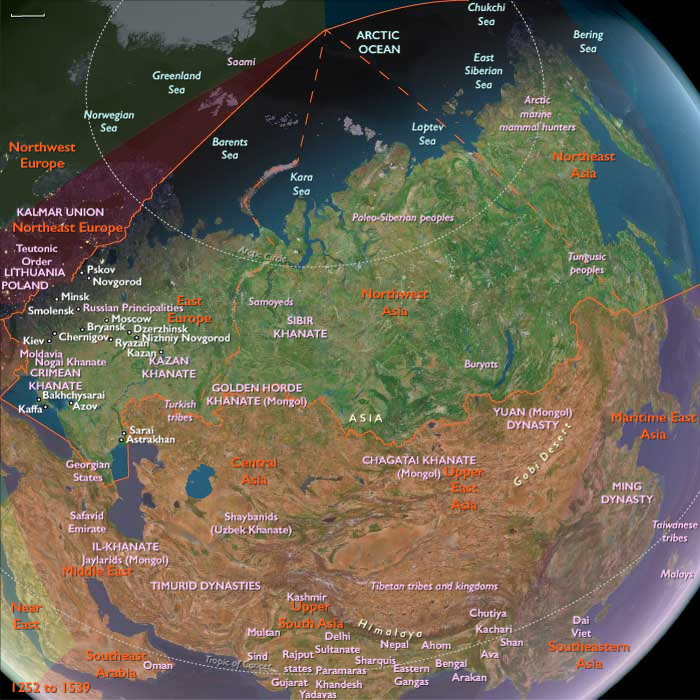
Northeastern Eurasia
View →Subregions