
Northwest Asia (820 – 963 CE): Ob–Yenisei …
Years: 820 - 963
Northwest Asia (820 – 963 CE): Ob–Yenisei Fur Frontiers, Yenisei Kyrgyz Ascendancy, and Taiga–Tundra Lifeways
Geographic and Environmental Context
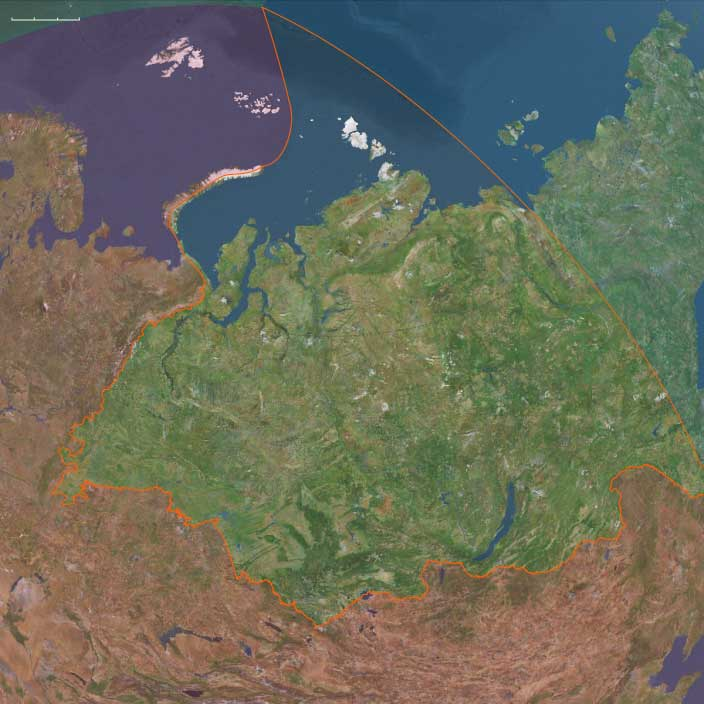
Northwest Asia includes Western and Central Siberia from the Ural Mountains eastward to about 130°E, encompassing the Kara Sea littoral, the Ob–Irtysh and Yenisei drainages, the West Siberian Plain, and the Sayan–Altai forelands.
-
Low, waterlogged taiga and tundra stretch to the Arctic coast; southward rise steppe–forest ecotones and intermontane basins of the upper Yenisei.
-
Major river “highways”—Ob–Irtysh and Yenisei with tributaries like the Tobol, Tom, and Chulym—organized movement, exchange, and settlement.
Climate and Environmental Shifts
-
A cool subarctic–continental regime dominated: long winters, short growing seasons, and extensive permafrost on the northern plain.
-
Interannual variability in snowfall and spring melt drove river-boom cycles (fish, driftwood surges) and affected reindeer pastures on the tundra.
-
Prior to the full onset of the Medieval Warm Period, any mid-10th-century warming was modest, but enough to slightly lengthen ice-free navigation windows on the big rivers.
Societies and Political Developments
-
Yenisei Kyrgyz (Upper Yenisei/Minusinsk Basin): a mounted Turkic power that overthrew the Uyghur Khaganate in 840, projecting influence across the Sayan–Altai and maintaining diplomacy with the Tang. Their polity anchored the southern margin of this subregion, taxing caravan and fur flows.
-
Ob-Ugric peoples—Khanty and Mansi—occupied the Ob–Irtysh forests; Selkup and Ket communities lived along central river corridors; to the north, Nenets herders ranged the tundra.
-
Evenki (Tungusic) groups hunted and trapped across central taiga belts; Samoyedic and Ugric clans maintained flexible band leadership with seasonal councils.
-
Along the steppe edge, Kimek–Kipchak and Oghuz confederations interfaced with forest peoples via horse–fur exchange and occasional raiding.
Economy and Trade
-
Fur frontiers: sable, squirrel, fox, and ermine were trapped in winter and traded south and west; walrus/sea-mammal products and mammoth ivory moved from Arctic littorals.
-
Dirham flows: Samanid silver dirhams (struck in Bukhara/Samarkand) reached the Ob and upper Yenisei via Khwarazm–Khorezm and Volga–Bulghar brokers; coin hoards and cut silver (hack-silver) appear along forest routes.
-
Yenisei Kyrgyz mediated horse, felt, and metalwork exchange toward the steppe and Inner Asia, while collecting tribute from taiga hunters.
-
Forest peoples bartered furs, fish oils, dried fish, and antler for iron knives/axes, copper kettles, salt, and textiles.
Subsistence and Technology
-
Multi-resource subsistence: riverine fisheries (sturgeon, salmonids, whitefish) with weirs and basket traps; big-game hunting (elk, reindeer), small-game trapping; berry, nut, and tuber gathering.
-
Reindeer economies: on the tundra, Nenets herded semi-domesticated reindeer (transport, meat, hides), shifting camps with pasture.
-
Water & snow travel: log and birch-bark canoes in summer; skis, snowshoes, dog or reindeer sleds in winter.
-
Arms & tools: composite bows, bone/antler points, and traded iron blades; Kyrgyz cavalry used stirrups, lamellar armor, and lances.
-
Dwellings: conical hide tents and plank/earth houses on river terraces; portable felt yurts in Kyrgyz and steppe zones.
Movement and Interaction Corridors
-
Ob–Irtysh system linked the forest belt to Khwarazm and the Volga–Bulghar markets (via Urals portages), carrying furs and silver.
-
Yenisei corridor tied taiga hunters to Minusinsk Kyrgyz courts and, beyond them, to Inner Asian networks.
-
Arctic coastal routes along the Kara Sea bridged river mouths and tundra camps, moving blubber, skins, and driftwood.
-
Steppe rims funneled Kimek–Kipchak and Oghuz horsemen into contact zones for trade, tribute, and conflict.
Belief and Symbolism
-
Animism and shamanism structured cosmology: sky, river, forest, and animal spirits governed luck and health.
-
Bear cults and first-catch/first-kill rites expressed reciprocity with powerful prey.
-
Ancestor veneration appeared in grave goods (weapons, tools, ornaments), binding lineages to river bends, hunting grounds, and sacred groves.
-
Among the Yenisei Kyrgyz, sky-god (Tengri) worship legitimated khagan authority; cairns and stelae commemorated elite lineages.
Adaptation and Resilience
-
Seasonal mobility and portfolio foraging spread risk across fisheries, game cycles, and berry/seed harvests.
-
Food preservation—drying/smoking fish and meat; rendering fish/sea-mammal oils—secured winter stores.
-
Exchange flexibility allowed substitution of furs, oil, and antler for scarce imported iron and salt.
-
Alliance/tribute mechanisms—gifts to Kyrgyz courts; marriage ties with steppe neighbors—reduced conflict and stabilized access to pastures and river stations.
Long-Term Significance
By 963 CE, Northwest Asia had become a key fur and frontier zone integrated into Eurasian circuits:
-
The Yenisei Kyrgyz anchored Inner Asian links at the region’s southern edge.
-
Ob–Yenisei forest peoples turned salmon, reindeer, and sable into tradable wealth, drawing in Samanid silver and steppe goods.
-
Kimek–Kipchak/Oghuz gateways knit taiga to the steppes, while Arctic routes complemented riverine trade.
These durable taiga–tundra lifeways, riding the great rivers and seasonal snows, formed the ecological and commercial foundation for the next age, when warming, coin inflows, and steppe realignments would further intensify exchange across the Siberian north.
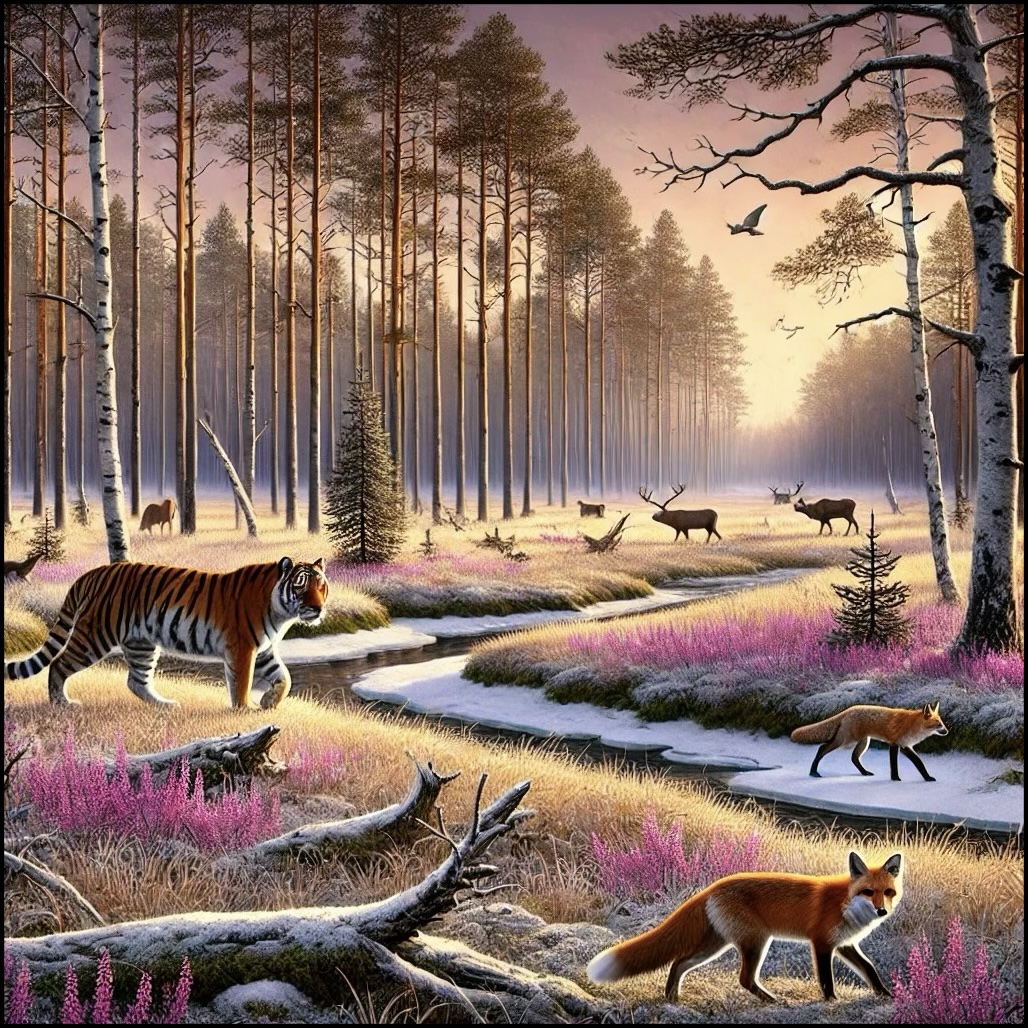
Northwest Asia ©2024-25 Electric Prism, Inc. All rights reserved.
Groups
- Khwarezm
- Buddhism
- Yenisei Kyrgyz
- Oghuz Turks
- Mansi people
- Khanty
- Kimek tribe
- Kimek Khanate
- Uyghur Khaganate
- Oghuz Yabgu State
- Samanid dynasty
- Ket people
- Nenets
- Selkup
- Evenki
- Uyghur people
- Kipchaks
Topics
Commodoties
- Fish and game
- Weapons
- Hides and feathers
- Gem materials
- Glass
- Domestic animals
- Textiles
- Strategic metals
- Salt
- Manufactured goods
- Money
Subjects
- Commerce
- Symbols
- Watercraft
- Labor and Service
- Faith
- Government
- Custom and Law
- Technology
- Invention
- Metallurgy
Regions
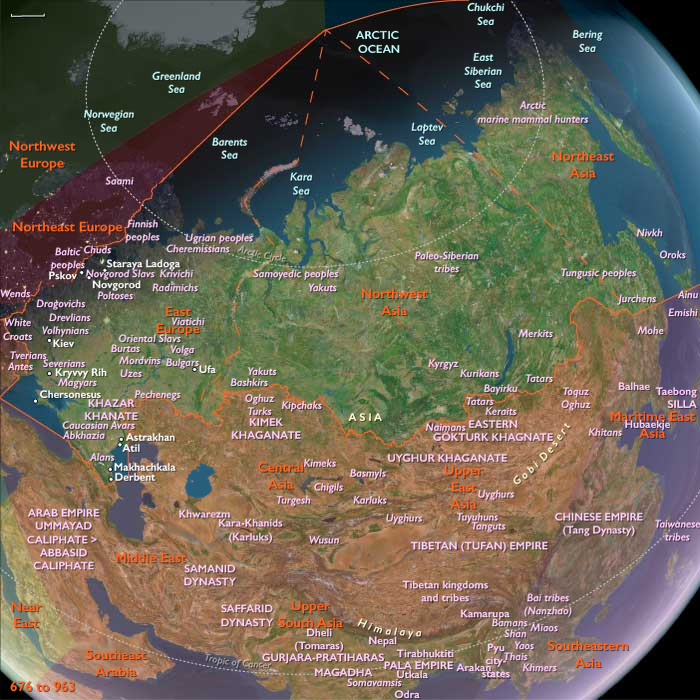
Subregions
Related Events
Showing 10 events out of 54673 total
Years: 820 - 963
Northwest Asia ©2024-25 Electric Prism, Inc. All rights reserved.
Groups
- Khwarezm
- Buddhism
- Yenisei Kyrgyz
- Oghuz Turks
- Mansi people
- Khanty
- Kimek tribe
- Kimek Khanate
- Uyghur Khaganate
- Oghuz Yabgu State
- Samanid dynasty
- Ket people
- Nenets
- Selkup
- Evenki
- Uyghur people
- Kipchaks
Topics
Commodoties
- Fish and game
- Weapons
- Hides and feathers
- Gem materials
- Glass
- Domestic animals
- Textiles
- Strategic metals
- Salt
- Manufactured goods
- Money
Subjects
- Commerce
- Symbols
- Watercraft
- Labor and Service
- Faith
- Government
- Custom and Law
- Technology
- Invention
- Metallurgy
Regions
Subregions