Northwest Asia (1108 – 1251 CE): Kipchak…
1108 CE to 1251 CE
Northwest Asia (1108 – 1251 CE): Kipchak Steppe, Mongol Advance, and Siberian Frontiers
Geographic and Environmental Context
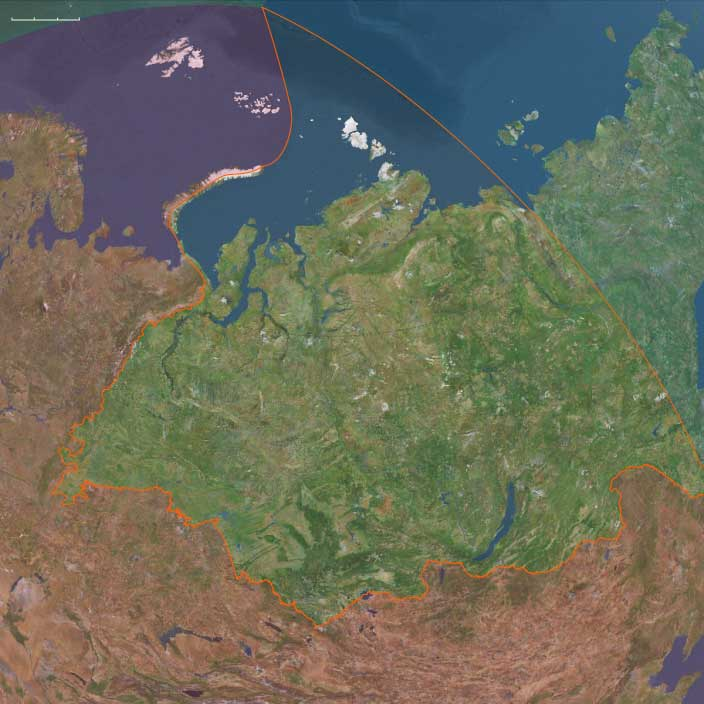
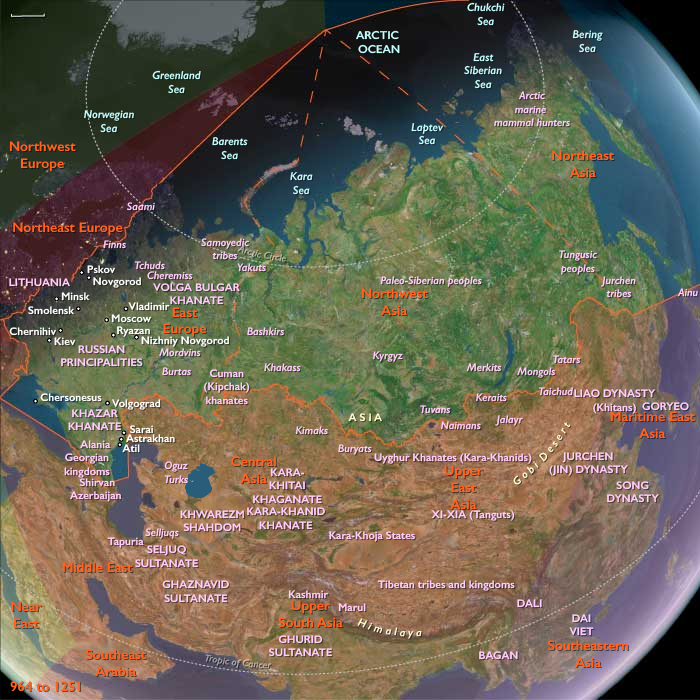
Northwest Asia stretches from the Ural Mountains to 130°E, encompassing Western and Central Siberia.
-
The Ob, Irtysh, and Yenisei river basins provided arteries of communication through vast taiga and steppe.
-
The West Siberian Plain supported pastoral nomadism and hunting economies.
-
The Altai and Sayan mountains marked cultural and ecological transition zones into Mongolia and Central Asia.
-
Forest-steppe zones blended pastoral and hunting lifeways, while the tundra supported reindeer herding.
Climate and Environmental Shifts
-
The Medieval Warm Period brought milder conditions in Siberia, expanding grasslands and enhancing pasturage.
-
Warmer summers increased agricultural potential in southern forest-steppe margins.
-
Taiga and tundra remained harsh, but ecological productivity supported reindeer, fur-bearing animals, and hunting communities.
Societies and Political Developments
-
Kipchak Confederation (11th–13th centuries): Turkic nomads dominated the western steppe, extending into Siberian zones. They played central roles as cavalry suppliers, traders, and raiders.
-
Ob-Ugric and Samoyedic peoples (Khanty, Mansi, Nenets) maintained hunting, fishing, and reindeer herding lifeways in the forest and tundra, organized through clans and kinship.
-
Turkic groups in the Altai and Sayan ranges were drawn into steppe politics, interacting with Mongolic tribes to the east.
-
Mongol Expansion: Beginning in the early 13th century, Mongol armies pressed westward, absorbing Siberian Turkic groups and extending control toward the Urals. By the mid-13th century, much of Northwest Asia was incorporated into the Mongol Empire, forming part of the western campaigns that created the Golden Horde.
Economy and Trade
-
Pastoralism: Horse, sheep, camel, and cattle herding sustained nomads across the steppe and forest-steppe.
-
Hunting and fishing: Taiga peoples relied on fur-bearing animals, fish, and seasonal gathering.
-
Fur trade: Furs from sable, ermine, and fox were highly prized in Central Asia and Europe, moving along trade routes via Turkic and later Mongol intermediaries.
-
Caravan trade routes linked the Ob and Yenisei valleys to Central Asia, moving furs, slaves, horses, and manufactured goods.
Subsistence and Technology
-
Nomadic technologies: yurts, composite bows, saddles, and stirrups enabled military and economic mobility.
-
Taiga subsistence tools: skis, sleds, birchbark canoes, and fishing gear facilitated survival in forested landscapes.
-
Reindeer domestication among Samoyeds provided transport, hides, and meat.
-
Metallurgy was limited among forest peoples but more developed among Turkic steppe groups.
Movement and Interaction Corridors
-
The Ob and Yenisei rivers served as major corridors of trade and cultural contact.
-
The steppe corridor linked Kipchaks and Mongols to Central Asia and Eastern Europe.
-
Taiga groups exchanged furs and forest products for metals, textiles, and salt from nomadic traders.
-
Mongol campaigns integrated Northwest Asia into the broader Eurasian empire, opening new routes across Siberia.
Belief and Symbolism
-
Steppe nomads practiced Tengri shamanism, venerating the eternal sky and ancestral spirits.
-
Taiga peoples followed animist cosmologies, with shamans mediating between humans and forest or river spirits.
-
Rituals tied to hunting, reindeer, and the sky reinforced ecological and spiritual balance.
-
Mongols respected and tolerated these traditions even as they expanded, integrating diverse spiritual practices into their empire.
Adaptation and Resilience
-
Pastoral-nomadic lifeways provided flexibility in response to climate shifts.
-
Fur-based economies allowed forest peoples to thrive in harsh taiga ecologies.
-
Kinship and clan-based social systems ensured resource sharing and survival during shortages.
-
Incorporation into Mongol rule provided new trade opportunities, though often at the cost of autonomy.
Long-Term Significance
By 1251 CE, Northwest Asia was a zone of convergence between steppe confederations and taiga forest cultures. The Kipchaks dominated the steppe, while Ob-Ugric and Samoyedic peoples thrived in the forests and tundra. The arrival of the Mongols transformed the region, integrating Siberia into the Eurasian world through conquest and trade. With its fur wealth, reindeer cultures, and steppe-pastoral economies, Northwest Asia became an essential frontier in the emerging Mongol order of the 13th century.
Images

Northwest Asia ©2024-25 Electric Prism, Inc. All rights reserved.
Groups
Commodities
Subjects
Regions
Northeastern Eurasia
View →Subregions