
Northwest Europe (1540–1551 CE): Reformation Consolidation, Monarchical …
Years: 1540 - 1551
Northwest Europe (1540–1551 CE): Reformation Consolidation, Monarchical Power, and Cultural Flourishing
England: Religious Consolidation under Henry VIII and Edward VI
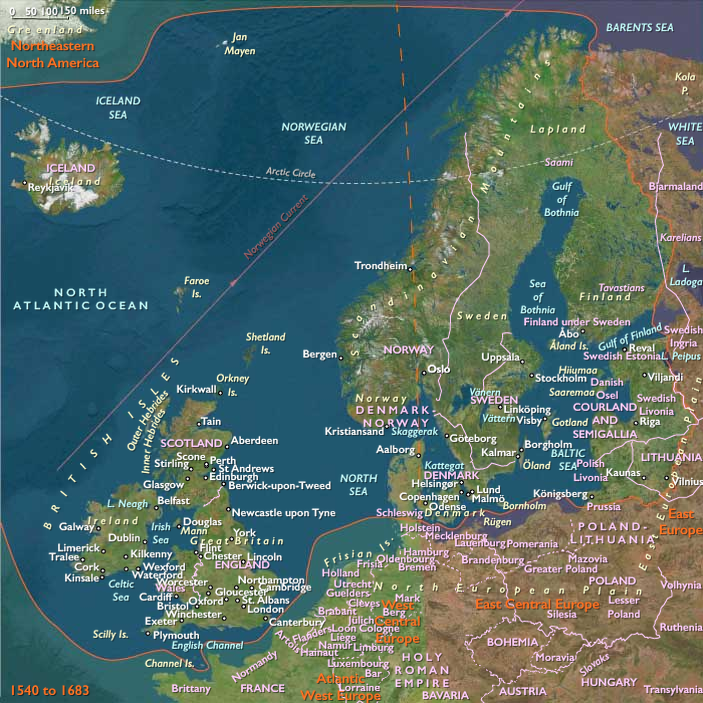
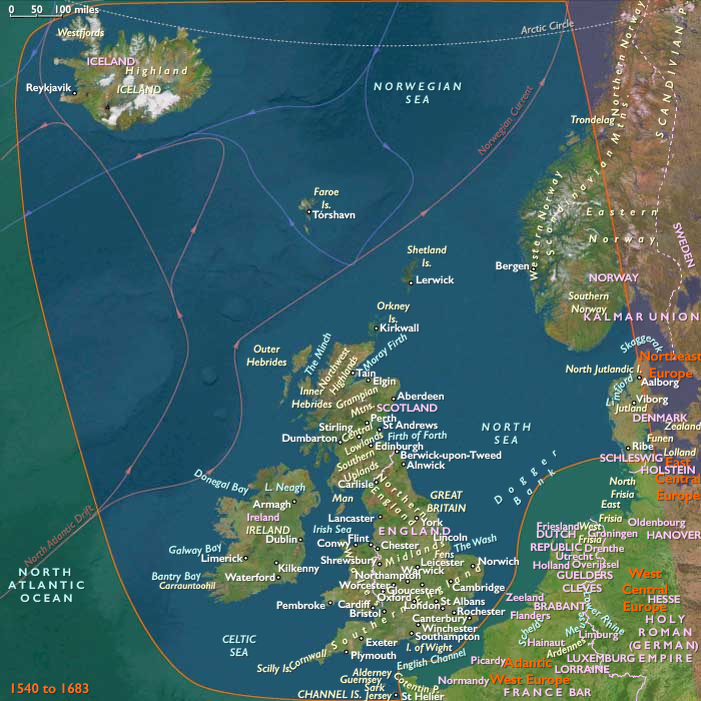
The era was defined by continued religious reform and consolidation under Henry VIII and his successor, Edward VI. Henry VIII reinforced his break with Rome by dissolving the remaining monasteries and redistributing church properties, solidifying the Anglican establishment. Following Henry’s death in 1547, Edward VI ascended as a minor under the regency of the Duke of Somerset and later John Dudley, Duke of Northumberland. Under Edward, Protestantism advanced significantly through measures like the Book of Common Prayer (1549) and the Act of Uniformity, establishing Protestant worship and doctrine throughout England. Henry VIII also patronized the art of gun founding, significantly improving English artillery capabilities, notably through developing hollow shells filled with powder.
Scotland: Conflict and the Rough Wooing
Scotland faced considerable turmoil following the death of James V in 1542, shortly after the catastrophic Scottish defeat at the Battle of Solway Moss. His infant daughter, Mary, Queen of Scots, succeeded him, prompting regencies marked by political instability and intense diplomatic struggles. Henry VIII sought to enforce the marriage of his son Edward to Mary in the Rough Wooing, an aggressive campaign of border raids and invasions, escalating tensions and violence throughout the period.
Ireland: Continued English Expansion and Gaelic Resistance
English influence in Ireland expanded under successive Tudor administrations. In 1541, Henry VIII was declared King of Ireland by the Irish Parliament, transforming the medieval lordship into a full kingdom. This was intended to increase English legitimacy and authority but intensified opposition from Gaelic and Hiberno-Norman lords, who resisted efforts at centralization. The period saw ongoing military campaigns and rebellions, highlighting persistent tensions and the complexity of English rule in Ireland.
Scandinavia: Lutheranism and Royal Centralization
Scandinavian kingdoms further solidified Lutheranism and central royal power. In Denmark, Christian III institutionalized Lutheranism, consolidating royal control over ecclesiastical affairs and greatly diminishing the influence of the Catholic Church.
Iceland: Firm Establishment of Lutheranism
In Iceland, Lutheran reforms were rigorously enforced by Danish authorities, formally suppressing Catholic practices. Bishop Jón Arason, the last significant Catholic figure, strongly opposed the Danish-led reformation but was ultimately executed in 1550 along with two of his sons. His execution symbolized the decisive end of Catholic resistance and marked the firm establishment of Lutheranism in Iceland, profoundly reshaping its religious and cultural landscape.
Cultural and Intellectual Developments
Culturally, this period was marked by continued intellectual vigor. Humanist thought significantly influenced education and literature across the region. English writers, scholars, and reformers benefited from the spread of printed texts, which promoted literacy and the dissemination of Protestant theology. Architecturally, the Tudor style further evolved, prominently featuring symmetrical designs, decorative chimneys, elaborate fireplaces, and richly ornamented interiors.
Maritime Expansion and Exploration
Maritime ambitions continued to grow, particularly in England, where seafaring ventures and exploration became increasingly significant. English explorers sought new routes and commercial opportunities, laying early groundwork for later overseas expansion. Efforts in maritime technology, encouraged by Henry VIII's improvements in artillery, enhanced English naval capabilities.
Legacy of the Era
By 1551 CE, Northwest Europe had firmly entrenched Protestant reforms and centralized royal authority. These developments not only reshaped the region's religious and political landscapes but also fostered lasting cultural transformations. The consolidation of monarchical power, the enforcement of Protestantism, and burgeoning exploration initiatives significantly impacted Northwest Europe, setting a decisive stage for future historical developments.
People
- Christian III
- Edward Seymour
- Edward VI of England
- Henry VIII of England
- James V, King of Scots
- John Dudley
- Jón Arason
- Mary I of Scotland
Groups
- Gaels
- Irish people
- Ireland, medieval
- Christians, Roman Catholic
- Ireland, (English) Lordship of
- Scotland, Kingdom of
- France, (Valois) Kingdom of
- Iceland (Danish dependency)
- England, (Tudor) Kingdom of
- Lutheranism
- Protestantism
- Anglicans (Episcopal Church of England)
- Denmark-Norway, Kingdom of
- Ireland, (English) Kingdom of
Topics
- Middle Subatlantic Period
- Protestant Reformation
- Anglo-Scottish War of 1542-49 (War of The Rough Wooing)
- Solway Moss, Battle of
Commodoties
Subjects
Regions
Subregions
Years: 1540 - 1551
People
- Christian III
- Edward Seymour
- Edward VI of England
- Henry VIII of England
- James V, King of Scots
- John Dudley
- Jón Arason
- Mary I of Scotland
Groups
- Gaels
- Irish people
- Ireland, medieval
- Christians, Roman Catholic
- Ireland, (English) Lordship of
- Scotland, Kingdom of
- France, (Valois) Kingdom of
- Iceland (Danish dependency)
- England, (Tudor) Kingdom of
- Lutheranism
- Protestantism
- Anglicans (Episcopal Church of England)
- Denmark-Norway, Kingdom of
- Ireland, (English) Kingdom of
Topics
- Middle Subatlantic Period
- Protestant Reformation
- Anglo-Scottish War of 1542-49 (War of The Rough Wooing)
- Solway Moss, Battle of
Commodoties
Subjects
Regions
Subregions