
In the spring of 1500, Pedro Álvares …
Years: 1500 - 1500
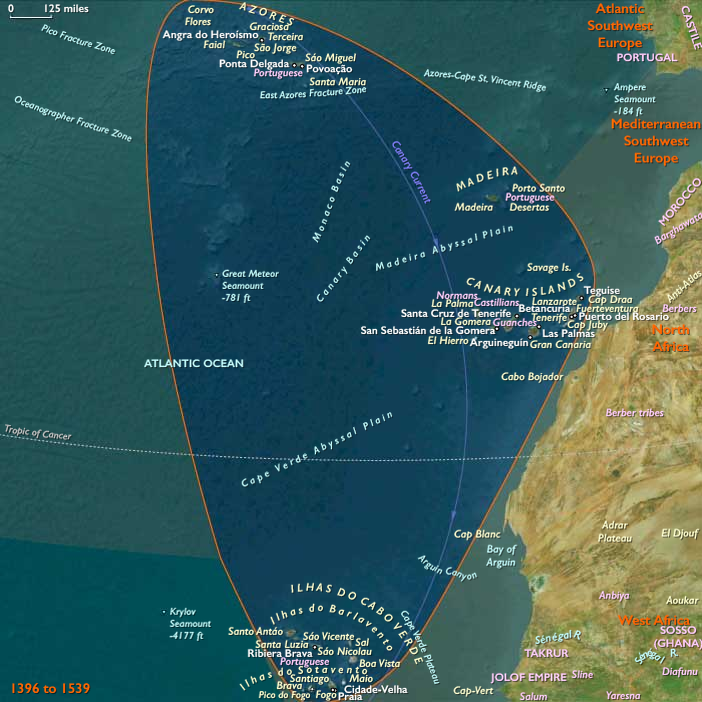
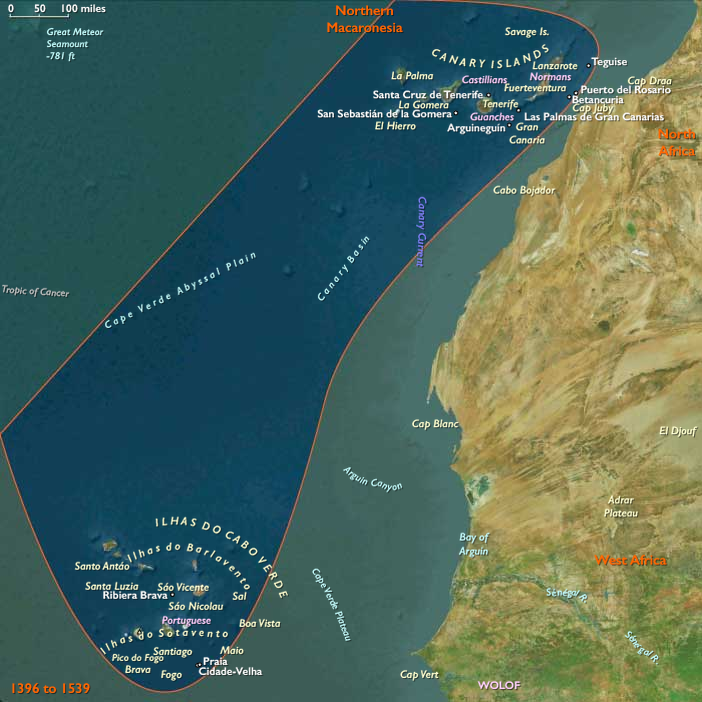
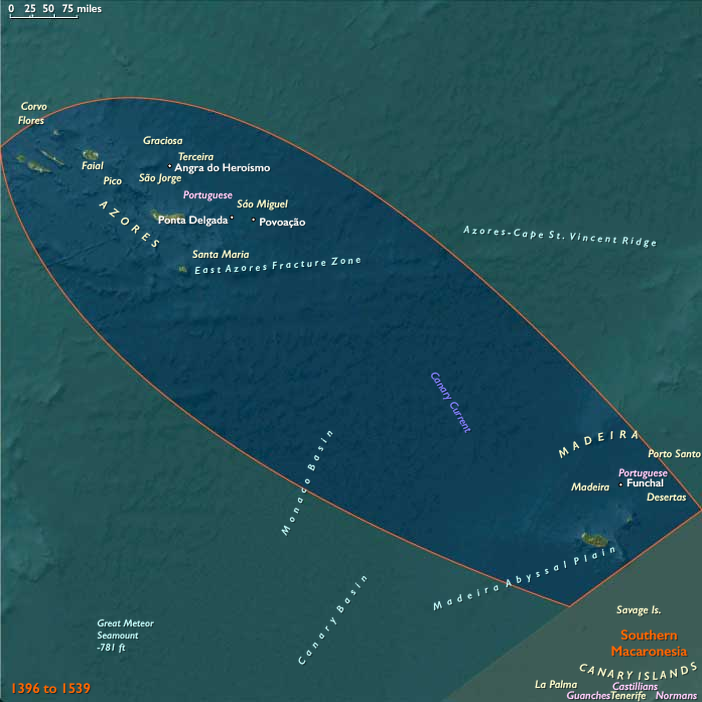
In the spring of 1500, Pedro Álvares Cabral embarked on a momentous voyage, setting sail from Cape Verde with a fleet comprising thirteen ships and crews.
Accompanying him were a cadre of nobles, including Nicolau Coelho, Bartolomeu Dias, his brother Diogo, and Duarte Pacheco Pereira, renowned author of the Esmeraldo.
The expedition boasted nine chaplains and a staggering twelve hundred men.
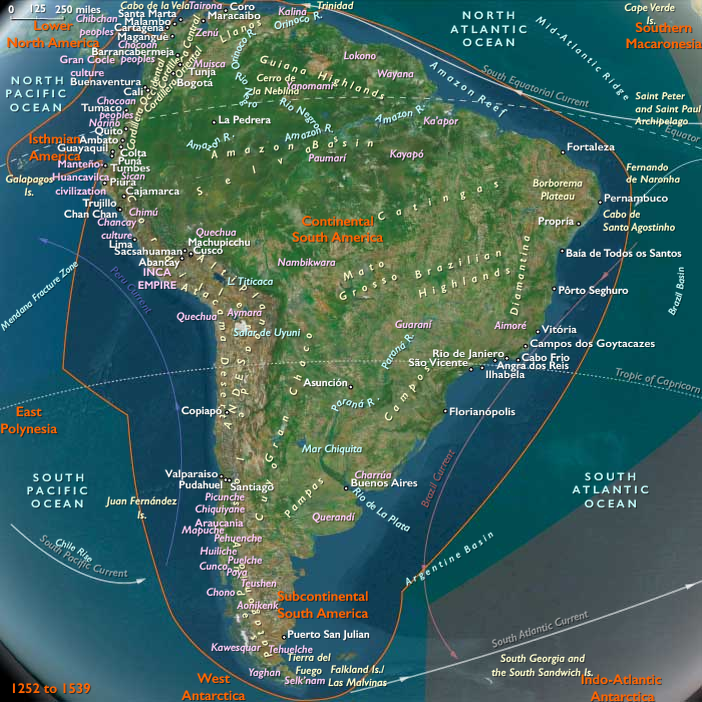
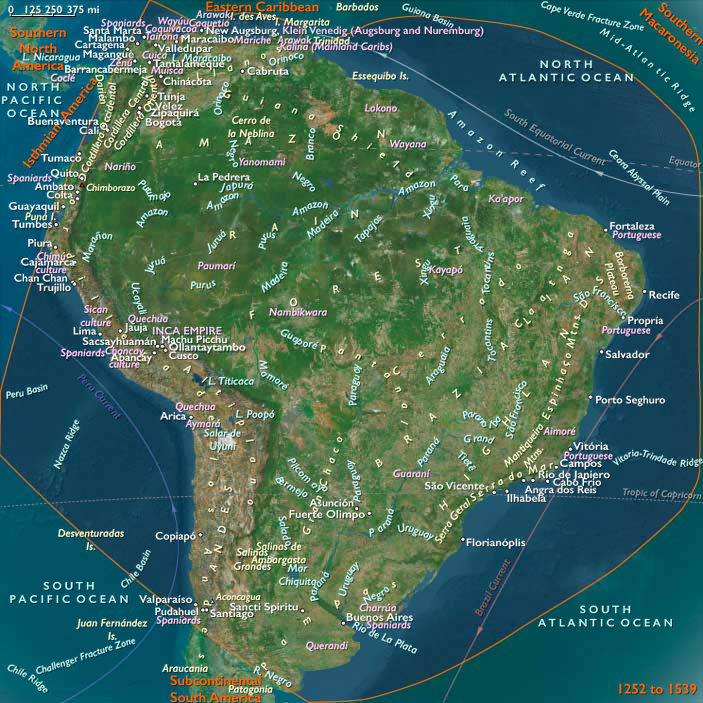
Steering southwest across the vast Atlantic, the intrepid explorers caught a glimpse of land on April 22, 1500.
They disembarked, laying claim to this newfound territory on behalf of Portugal.
Little did they know that this coastal expanse would later burgeon into the Portuguese colony of Brazil.
Yet, the expedition harbored ambitions that reached far beyond the Brazilian coast.
Their true objective was to unlock the coveted sea trade routes to the resplendent empires of the East.
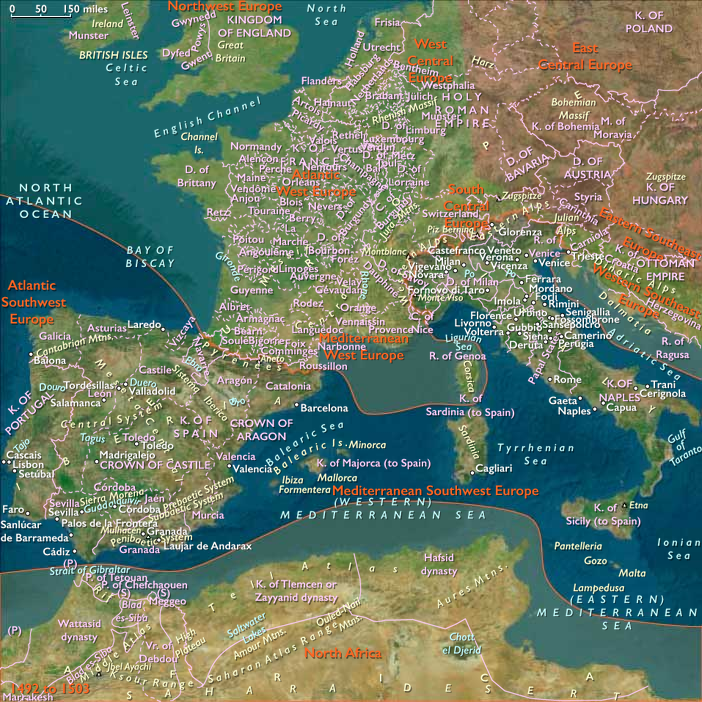
Since the Conquest of Constantinople in 1453, Europe's access to these distant lands had been severed.
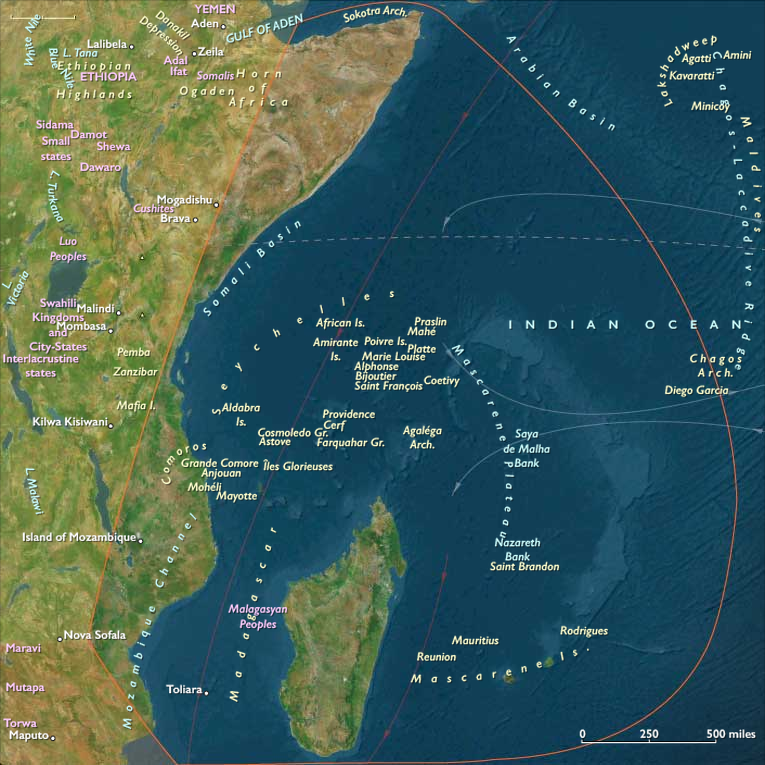
Cabral, recognizing the urgency of bridging this divide, veered away from Brazil's coastline and charted a course southeast, retracing the Atlantic's embrace and circumnavigating the Cape of Good Hope.
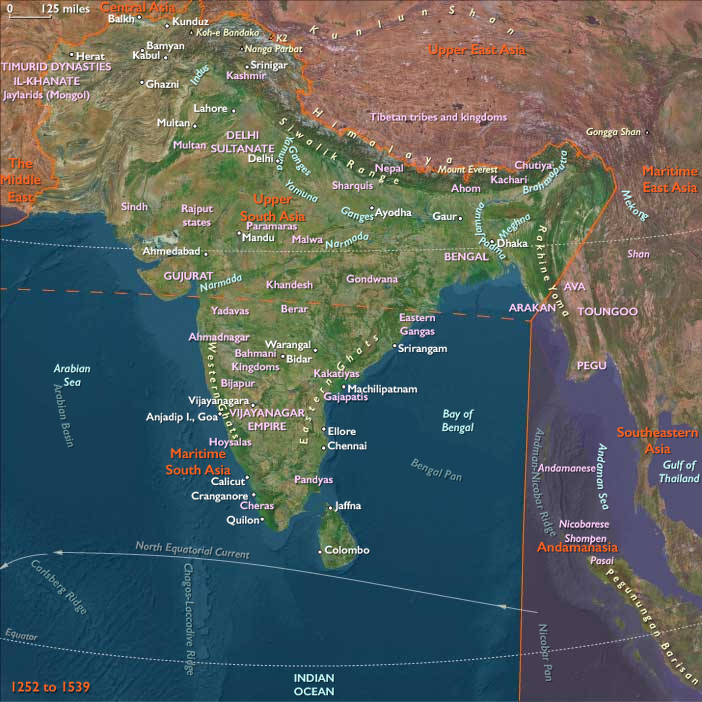
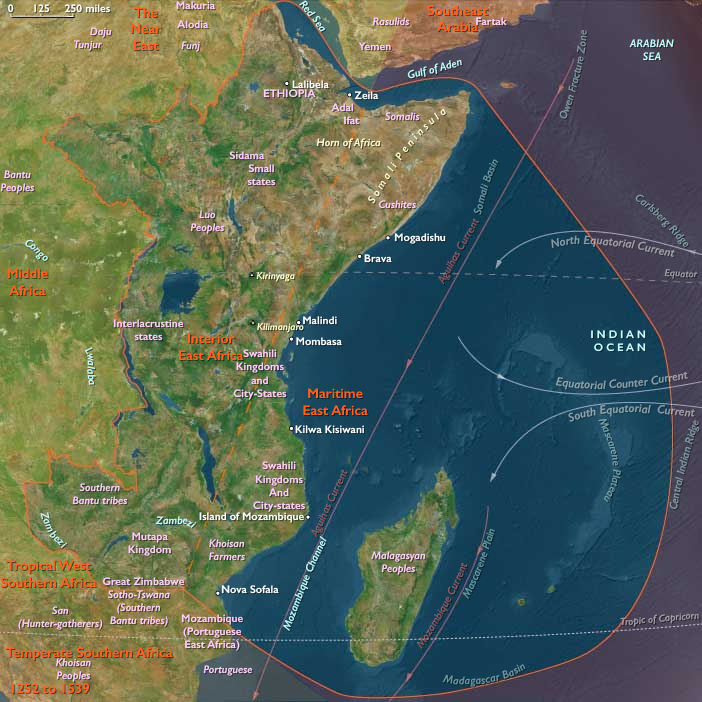
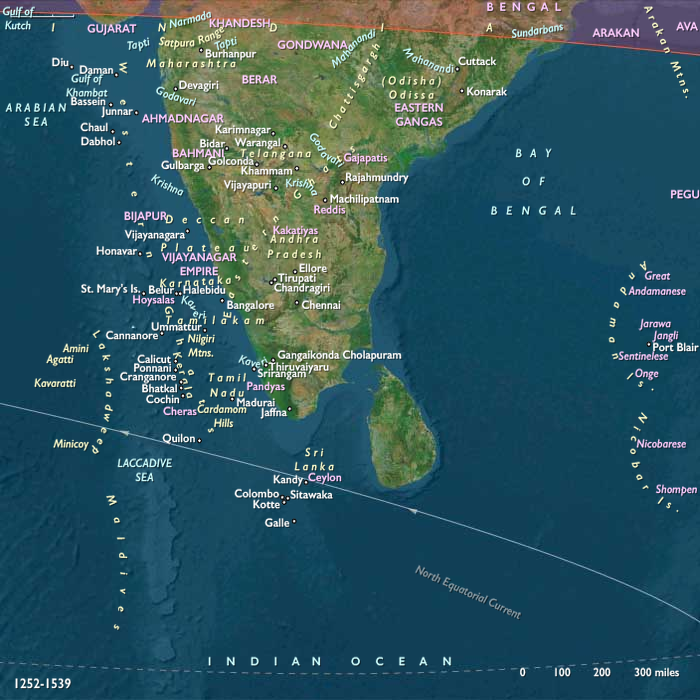
In July 1500, Cabral's fleet reached the enchanting shores of Sofala on the East African coast. Undeterred, their journey continued eastward, culminating in a momentous landing in Calicut, India, in September 1500.
Here, the intrepid Portuguese traders engaged in fruitful exchanges, acquiring the coveted spice of pepper and establishing a historic milestone—the initiation of European sea trade with the majestic empires of the East.
The Ottoman occupation of Constantinople, once a formidable barrier, now yielded to the unfettered flow of European commerce, forever reshaping the world's interconnectedness.
People
- Bartolomeu Dias
- Diogo Dias
- Duarte Pacheco Pereira
- Nicolau Coelho
- Pedro Álvares Cabral
- Vittore Carpaccio
Groups
- Muslims, Sunni
- Aragon, Crown of
- Castile, Crown of
- France, (Valois) Kingdom of
- Portugal, Avizan (Joannine) Kingdom of
- Portuguese Empire
- Holy Roman Empire
- Ottoman Empire
- Portuguese Mozambique
- Brazil, Colonial
Topics
- India, Medieval
- Renaissance, Italian
- Age of Discovery
- Western Art: 1492 to 1506
- Colonization of Asia, Portuguese
Commodoties
Subjects
- Commerce
- Products
- Symbols
- Watercraft
- Painting and Drawing
- Performing Arts
- Labor and Service
- Exploration
- Government
- Scholarship
- Technology
- Finance
Regions
Subregions
- Maritime South Asia
- Maritime East Africa
- Southern Macaronesia
- Northern Macaronesia
- South America Major
Years: 1500 - 1500
People
- Bartolomeu Dias
- Diogo Dias
- Duarte Pacheco Pereira
- Nicolau Coelho
- Pedro Álvares Cabral
- Vittore Carpaccio
Groups
- Muslims, Sunni
- Aragon, Crown of
- Castile, Crown of
- France, (Valois) Kingdom of
- Portugal, Avizan (Joannine) Kingdom of
- Portuguese Empire
- Holy Roman Empire
- Ottoman Empire
- Portuguese Mozambique
- Brazil, Colonial
Topics
- India, Medieval
- Renaissance, Italian
- Age of Discovery
- Western Art: 1492 to 1506
- Colonization of Asia, Portuguese
Commodoties
Subjects
- Commerce
- Products
- Symbols
- Watercraft
- Painting and Drawing
- Performing Arts
- Labor and Service
- Exploration
- Government
- Scholarship
- Technology
- Finance
Regions
Subregions
- Maritime South Asia
- Maritime East Africa
- Southern Macaronesia
- Northern Macaronesia
- South America Major