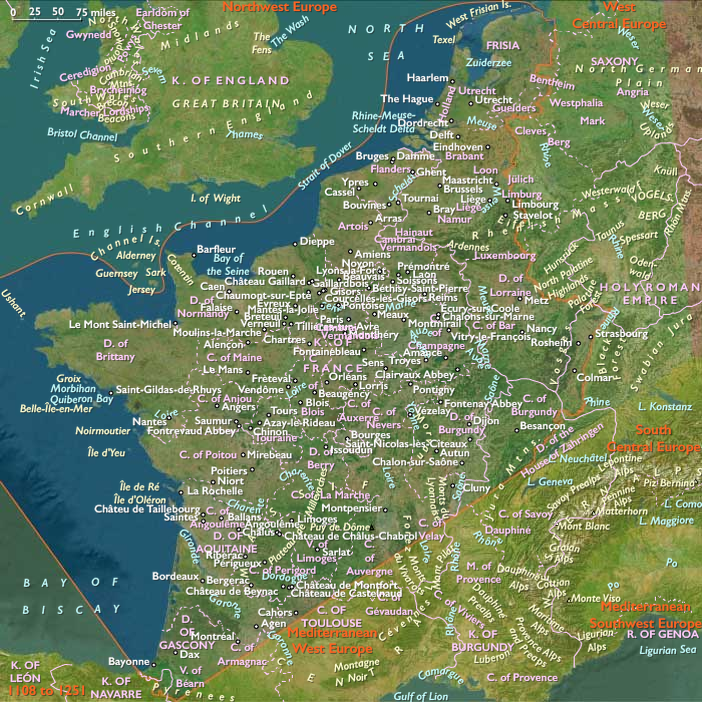
Philip II’s Anti-Jewish Policies and the Third…
September 1190 CE
Philip II’s Anti-Jewish Policies and the Third Crusade (1190 CE)
In 1190, as part of his preparations for the Third Crusade, Philip II of France issued a decree canceling debts owed to Jewish moneylenders for all those who took up the cross. This move, while framed as an act of religious generosity, had severe consequences for the Jewish communities of France.
Consequences of the Debt Cancellation
-
Financial and Social Impact on Jews
- Many Christian debtors saw this as an opportunity to avoid repaying borrowed money, further impoverishing Jewish lenders.
- With their financial worth now diminished, many Jews were driven out of France, and their property was confiscated.
-
Strengthening Philip’s Crusade Finances
- By seizing Jewish property, Philip profited directly from the expulsion, bolstering his treasury for the upcoming crusade.
- The confiscated wealth likely contributed to military expenditures and logistics for the Crusader forces.
-
Continuation of Philip’s Broader Anti-Jewish Policies
- This decree followed Philip’s 1182 expulsion of Jews from the royal domain, marking another step in his escalating campaign against Jewish communities.
- Such policies set a dangerous precedent for later expulsions in France (1306, 1394) and England (1290).
Long-Term Impact
- The expulsion and property confiscation reinforced the idea that Jews were subjects of the Crown, vulnerable to royal policy shifts.
- By cancelling debts for Crusaders, Philip linked financial policy with religious warfare, a trend that would persist in later medieval Crusades.
- Though some Jews later returned to France, their legal and economic status remained precarious, with future monarchs using similar tactics to fund their military campaigns.
Philip II’s 1190 decree was another step in the systematic marginalization of Jewish communities, reinforcing their economic vulnerability and exclusion from medieval French society.
Locations
People
Groups
Commodities
Subjects
Regions
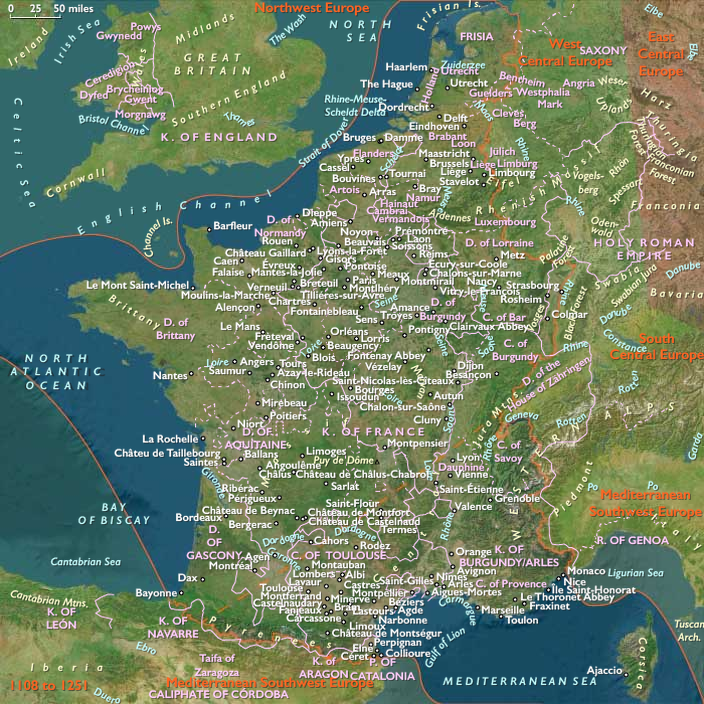
West Europe
View →Subregions