
The Cultural Splendor of Philip the Good's…
1454 CE
The Cultural Splendor of Philip the Good's Burgundian Court and the Planned Crusade (1454)
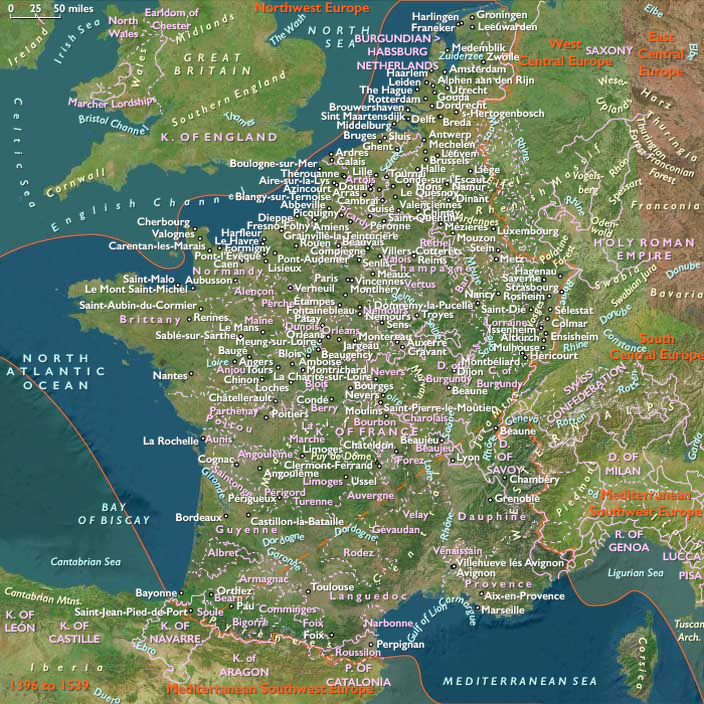
By 1454, the court of Philip the Good, Duke of Burgundy, had become renowned as one of Europe’s most opulent and culturally vibrant centers. Without a fixed capital, Philip's court moved regularly among major cities, notably Brussels, Bruges, and Lille, enhancing the prestige and economic vitality of each as temporary political hubs. The ducal court was celebrated for extravagant feasts, elaborate ceremonies, and tournaments—often involving the knights of the prestigious Order of the Golden Fleece, founded by Philip in 1430.
In 1454, Philip announced ambitious plans to launch a crusade against the Ottoman Empire, galvanized by the fall of Constantinople in the previous year (1453). This grand project was commemorated by spectacular festivities, including tournaments and ceremonial events, reflecting Burgundian chivalric ideals. Despite its splendor, notably during the lavish Feast of the Pheasant in Lille, the crusade ultimately remained unrealized. The feast itself, however, symbolized Burgundian aspirations of leadership in European affairs, notably strengthening Philip's political prestige.
Culturally, Philip significantly patronized the arts, favoring elaborate works by goldsmiths, jewelers, and especially illuminated manuscripts and tapestries, the latter often preferred over panel paintings. His court was also central to the flourishing of the Burgundian School of music, which included illustrious composers like Gilles Binchois, Robert Morton, and eventually Guillaume Dufay, who collectively transformed Burgundy into the preeminent musical and artistic hub of mid-fifteenth-century Europe.
Through his patronage, Philip profoundly shaped European cultural tastes, bridging medieval and Renaissance artistic traditions and cementing his court’s lasting cultural and political influence throughout Atlantic West Europe.
Locations
Groups
Topics
Commodities
Subjects
Regions
West Europe
View →Subregions
