
Bernardim Ribeiro’s Menina e Moça (1544): A…
1554 CE
Bernardim Ribeiro’s Menina e Moça (1544): A Feminist and Sentimental Masterpiece
Bernardim Ribeiro (c. 1482–1552) was a Portuguese poet and novelist, best known for his pastoral literature and deeply sentimental themes. His novel Menina e Moça (Young Girl and Maiden), published posthumously in 1544, is a unique work of its time, offering an introspective analysis of amorous passion from a woman’s perspective—a remarkable and uncommon literary approach in the 16th century.
A Feminist and Sentimental Narrative
- Menina e Moça is structured as a series of interrelated episodes narrated by a young woman reflecting on love, loss, and fate.
- Unlike most Renaissance literature, which presents love from a male viewpoint, Ribeiro’s novel centers on female emotions and experiences, making it one of the earliest feminist-leaning narratives in Portuguese literature.
- The work explores longing, separation, and suffering, themes that echo the melancholic tone of Ribeiro’s own poetry.
Influence and Literary Style
- Ribeiro was a pioneer of Portuguese pastoral literature, a style influenced by classical and Italian Renaissance traditions.
- His novel and poetry share similarities with Italian humanist works, blending idealized landscapes with deep emotional introspection.
- The novel is written in a lyrical, poetic prose, filled with symbolism, dreamlike imagery, and psychological depth.
Legacy of Menina e Moça
- The novel is considered a landmark of Portuguese literature, influencing later authors, including Camilo Castelo Branco and Almeida Garrett.
- Its focus on female emotions and psychological complexity was highly unusual for its time, making it a precursor to later romantic and psychological fiction.
- Ribeiro’s lyrical and deeply personal style continues to be celebrated as a unique voice in Renaissance literature.
Conclusion: A Groundbreaking Exploration of Love and Emotion
Menina e Moça remains one of the most remarkable works of 16th-century Portuguese literature, not only for its feminist undertones but also for its rich emotional depth and poetic style. Bernardim Ribeiro’s ability to capture the complexities of love and longing from a female perspective makes him a pioneer of sentimental fiction in the Iberian literary tradition.
Locations
Subjects
Regions
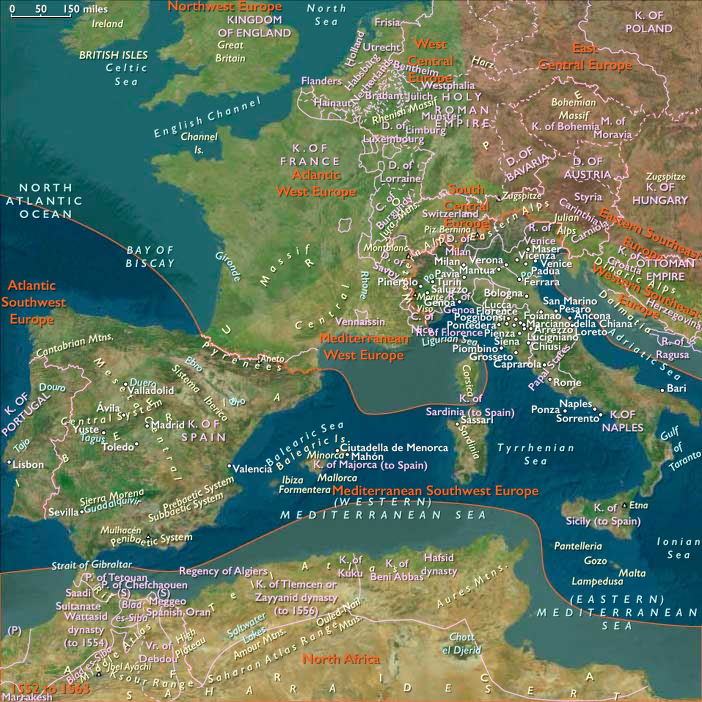
Southwest Europe
View →Subregions
