Event
Rome contracts out the mines that make…
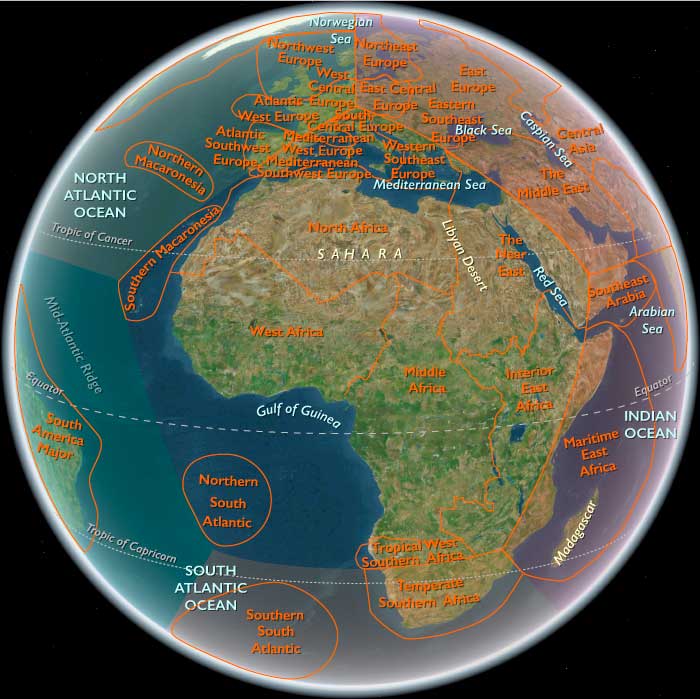
Rome contracts out the mines that make its coinage (from 206 BCE) With Carthage expelled from Iberia, Rome takes the silver districts of the south and southeast — Rio Tinto, and the country behind Carthago Nova — and works them on the scale the coinage requires. The ore is argentiferous galena: silver and lead in the same rock, separated by cupellation, so that every ounce of coined silver arrives with a great deal of lead beside it. Rome needs the lead too, for pipes, roofing, sheathing, and pewter, which means the waste product of the currency is itself a commodity.
The deposits are public property. The working of them is not: the state lets the mines to societates publicanorum on contract, and later administers them through imperial procurators — the same choice between licensing and running that this essay opens on, made here at the point where it touches the money supply directly. Rome licenses even this.
Something else is worth stating because it does not depend on any surviving text. Lead smelted in Iberia left a residue in the atmosphere that settled and was preserved in the Greenland ice, and the layers carry a pollution signal that rises with Roman production, peaks in the first and second centuries CE, and falls away sharply in the third. It is an index of an ancient economy's output compiled by no one, and the shape it traces — expansion, plateau, contraction — matches what the textual record implies without being derived from it.
-
{# Image navigates to the detail page; the magnifying-glass chip is the only Fancybox lightbox trigger (kept a separate sibling — anchors can't nest). #}
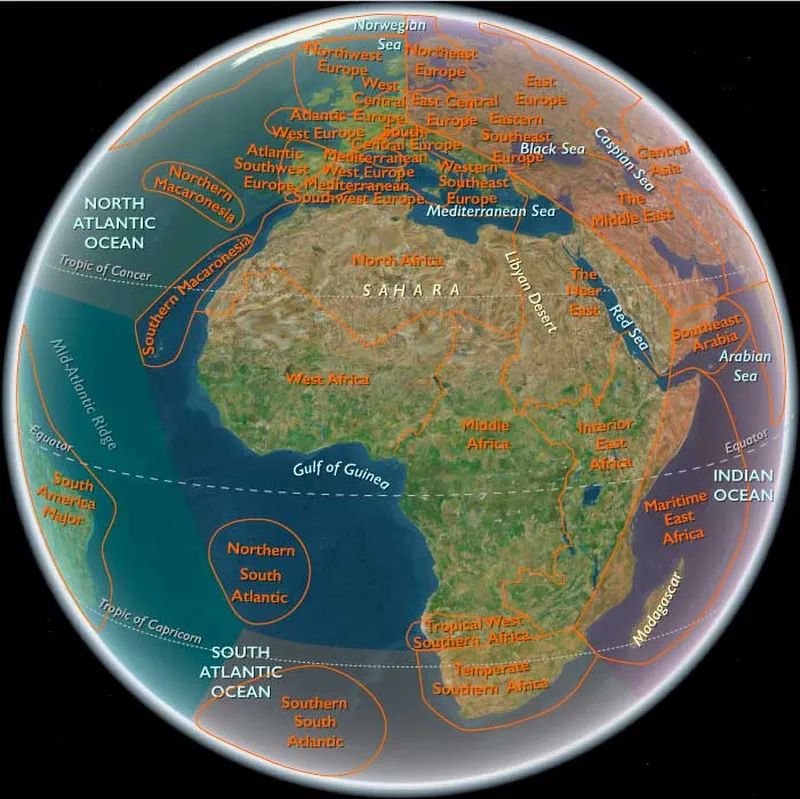 The Middle of The Earth
World
-
{# Image navigates to the detail page; the magnifying-glass chip is the only Fancybox lightbox trigger (kept a separate sibling — anchors can't nest). #}
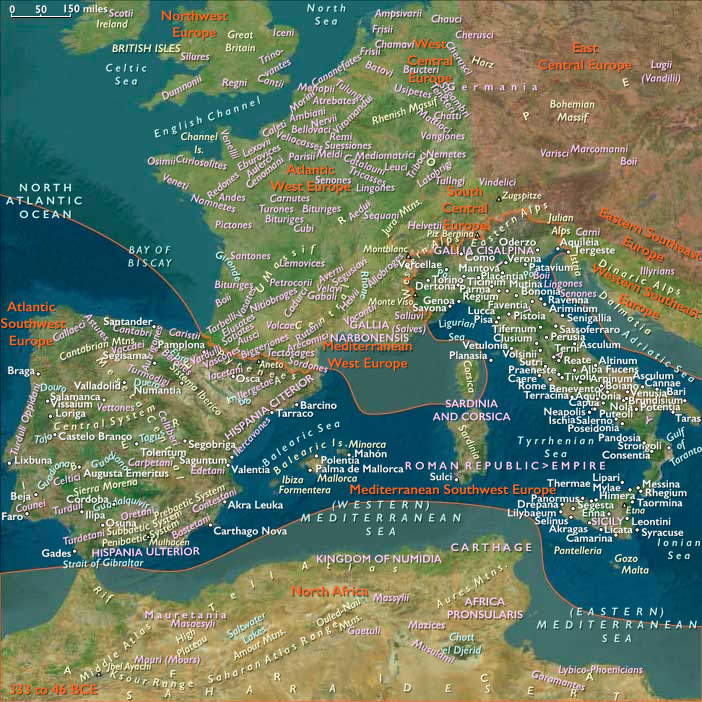 Southwest Europe
Region
-
{# Image navigates to the detail page; the magnifying-glass chip is the only Fancybox lightbox trigger (kept a separate sibling — anchors can't nest). #}
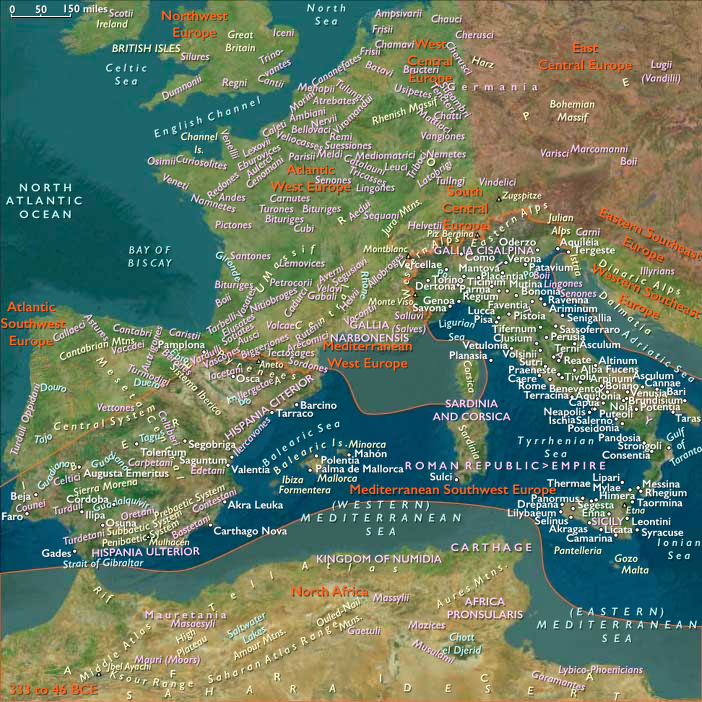 Mediterranean Southwest Europe
Subregion