Event
Thomas Dover leads the landing party that…
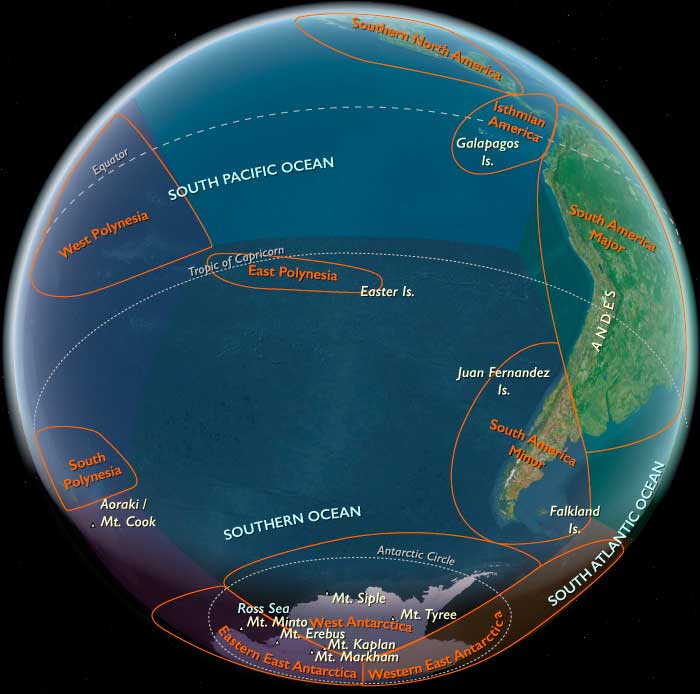
Thomas Dover leads the landing party that meets Selkirk. After four years and four months without human company, Selkirk was almost incoherent with joy. According to Woodes Rogers' journal, Rogers found Selkirk to be "wild-looking" and "wearing goatskins", noting, "He had with him his clothes and bedding, with a firelock, some powder, bullets and tobacco, a hatchet, a knife, a kettle, a Bible and books." (The Daily Telegraph, January 5, 2009.) Captain Rogers wryly refers to Selkirk as the governor of the island. Almost incoherent in his joy, the agile Selkirk, catching two or three goats a day, helps restore the health of Rogers' scurvy-ravaged men.
Rogers is impressed by Selkirk's physical vigor, but also by the peace of mind that he had attained while living on the island, observing: "One may see that solitude and retirement from the world is not such an insufferable state of life as most men imagine, especially when people are fairly called or thrown into it unavoidably, as this man was."
Selkirk, having been part of the ship's crew that abandoned William Dampier after losing confidence in his leadership, is at first reluctant to join the expedition because of the presence of his old commodore, but eventually does so.
Serving initially as second mate aboard the Duke, he will later be given command of a small ship, Increase, captured by the expedition, before it is ransomed by the Spanish,and will conclude the voyage as master of the Duke.
Rogers' A cruising voyage round the world: first to the South-Sea, thence to the East-Indies, and homewards by the Cape of Good Hope will be published in 1712 and include an account of Selkirk's ordeal.
He is to become the inspiration for the classic novel Robinson Crusoe, written by Rogers' friend, Daniel Defoe.
-
{# Image navigates to the detail page; the magnifying-glass chip is the only Fancybox lightbox trigger (kept a separate sibling — anchors can't nest). #}
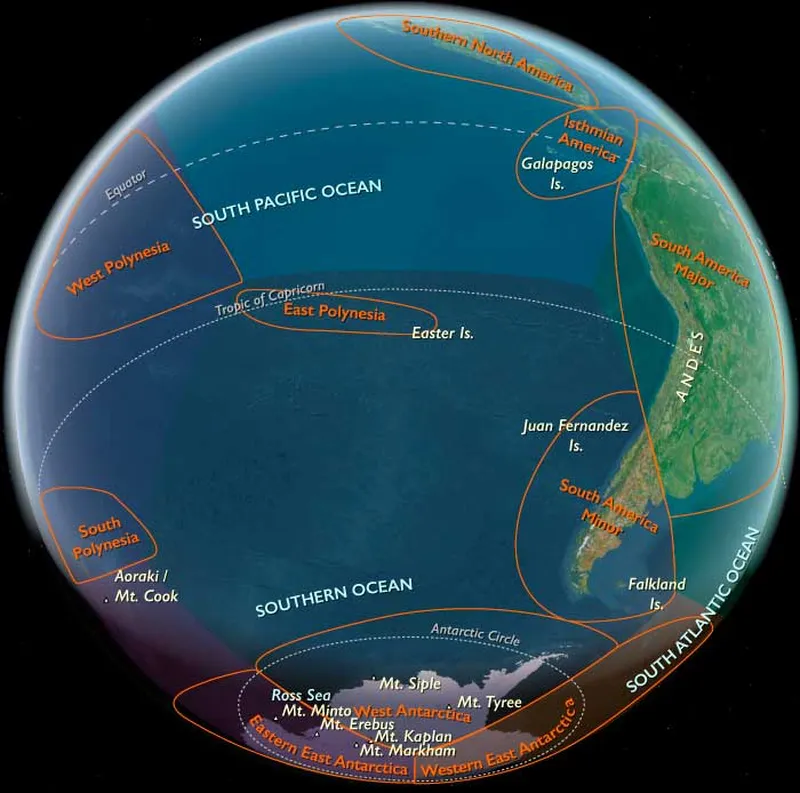 The Ends of the Earth
World
-
{# Image navigates to the detail page; the magnifying-glass chip is the only Fancybox lightbox trigger (kept a separate sibling — anchors can't nest). #}
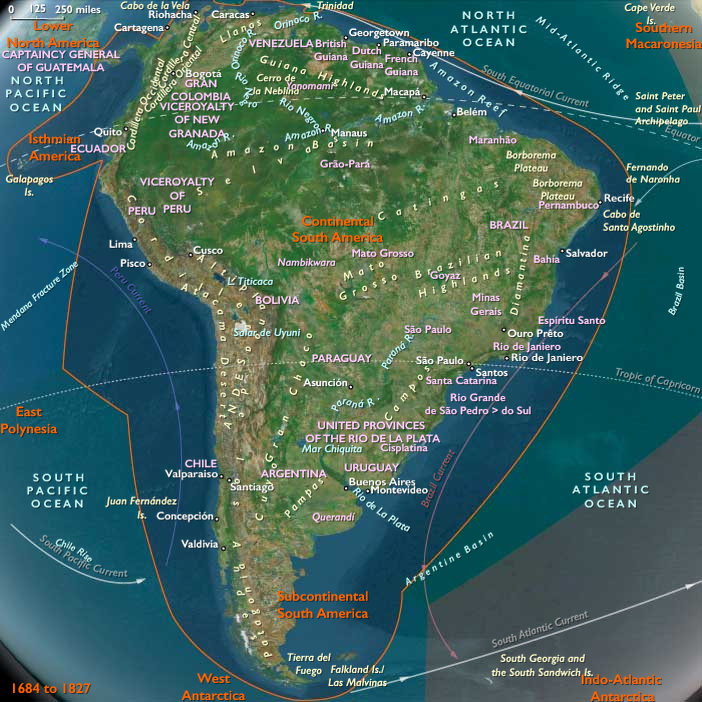 South America
Region
-
{# Image navigates to the detail page; the magnifying-glass chip is the only Fancybox lightbox trigger (kept a separate sibling — anchors can't nest). #}
 Subcontinental South America
Subregion