
The Persecution of Christians Under Septimius Severus …
Years: 196 - 207
The Persecution of Christians Under Septimius Severus (202 CE)
In 202 CE, Emperor Septimius Severus (r. 193–211 CE) issued an edict intensifying the persecution of Christians throughout the Roman Empire. This decree marked one of the harshest imperial efforts to suppress the rapidly growing Christian movement, which was increasingly seen as a threat to Roman religious and social unity.
Severus’ Edict and Its Motivations
- The edict forbade conversions to Christianity and Judaism, targeting those who sought to abandon Roman religious traditions.
- It was not aimed at punishing existing Christians, but rather at preventing new adherents from joining the faith.
- The exact reasons for Severus’ persecution remain debated, but key factors likely included:
- Christianity’s rapid expansion, which challenged traditional Roman polytheism.
- The refusal of Christians to participate in state religious practices, which was seen as a sign of disloyalty to Rome.
- The political instability of the empire, as Severus may have sought to reinforce Roman identity through religious suppression.
Impact of the Persecution
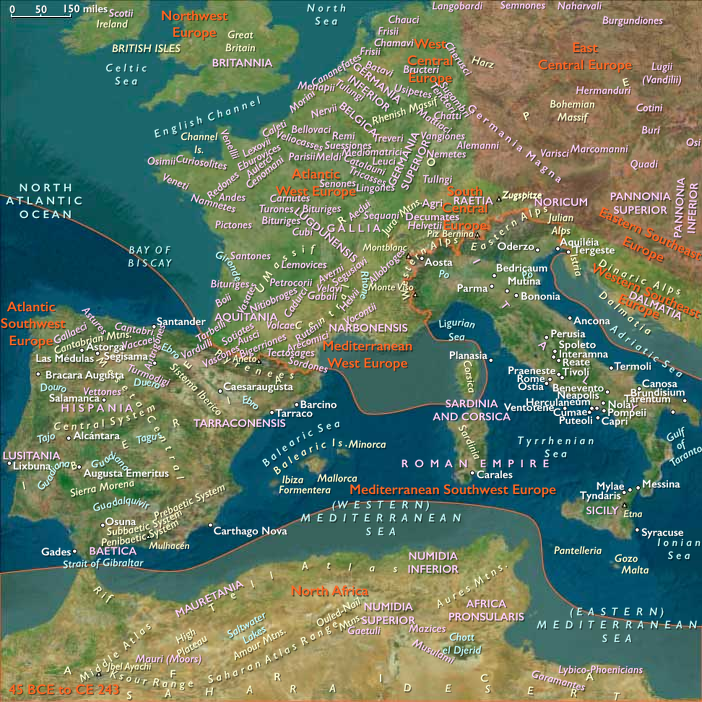
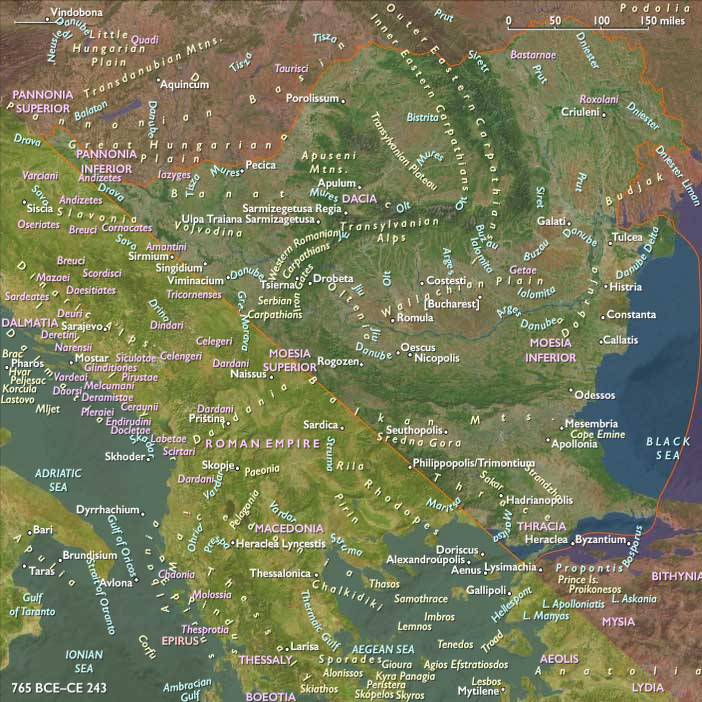
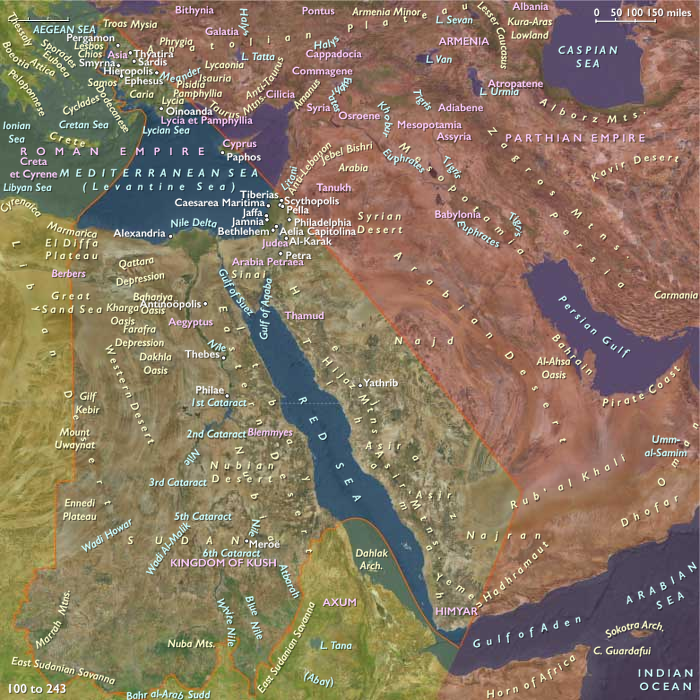
- The edict led to the arrest, torture, and execution of many Christians, particularly in North Africa and Egypt, where Christianity had gained a strong following.
- Notable Christian martyrs from this period include:
- Perpetua and Felicity, two young Christian women executed in Carthage.
- Leonides of Alexandria, the father of the famous Christian theologian Origen, who was also put to death.
- Despite state-sponsored violence, Christianity continued to spread, with many Christians choosing martyrdom over apostasy, strengthening the faith’s appeal and resilience.
Legacy of Severus’ Persecution
- The persecution was not empire-wide or consistently enforced, as governors had varying degrees of commitment to the edict.
- By the end of Severus’ reign in 211 CE, the policy waned, but local persecutions persisted in some regions.
- The growth of Christianity continued, and later emperors would face even greater difficulties in suppressing the faith, leading to its eventual acceptance under Constantine in the 4th century CE.
While Severus’ persecution of Christians caused widespread suffering, it ultimately failed to halt the spread of Christianity, which would later become the dominant religion of the Roman Empire.
People
Groups
Subjects
Regions
- The Near and Middle East
- Southeast Europe
- Central Europe
- West Europe
- North Europe
- North Africa
- Southwest Europe


Subregions
- East Central Europe
- Eastern Southeast Europe
- Middle East
- Near East
- Western Southeast Europe
- South Central Europe
- Mediterranean West Europe
- Mediterranean Southwest Europe
- North Africa
- Atlantic Southwest Europe
- Atlantic West Europe
- West Central Europe
- Northwest Europe








Related Events
Showing 10 events out of 60840 total
Years: 196 - 207
People
Groups
Subjects
Regions
- The Near and Middle East
- Southeast Europe
- Central Europe
- West Europe
- North Europe
- North Africa
- Southwest Europe
Subregions
- East Central Europe
- Eastern Southeast Europe
- Middle East
- Near East
- Western Southeast Europe
- South Central Europe
- Mediterranean West Europe
- Mediterranean Southwest Europe
- North Africa
- Atlantic Southwest Europe
- Atlantic West Europe
- West Central Europe
- Northwest Europe