
South Central Europe (1972–1983 CE) Oil-Shock …
Years: 1972 - 1983
South Central Europe (1972–1983 CE)
Oil-Shock Adaptation, Alpine Infrastructure, and Green Mobilization
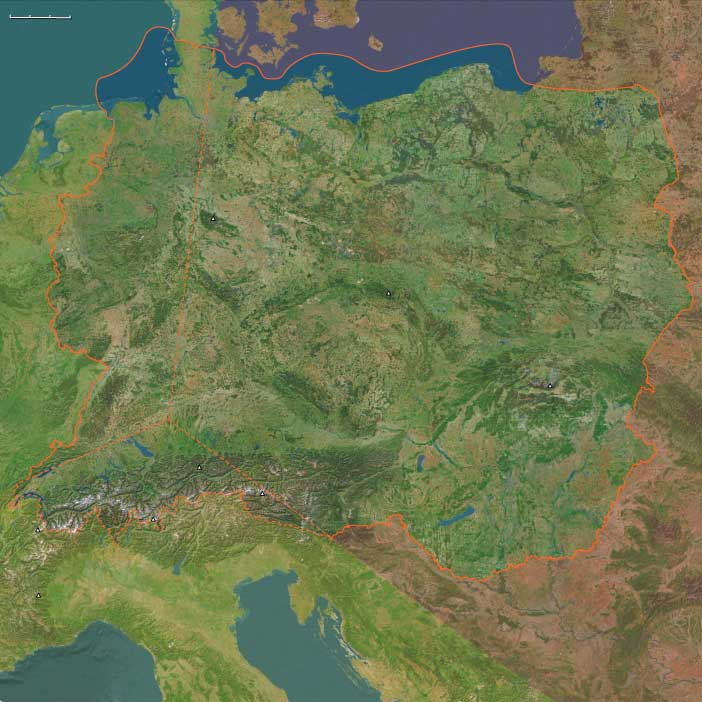
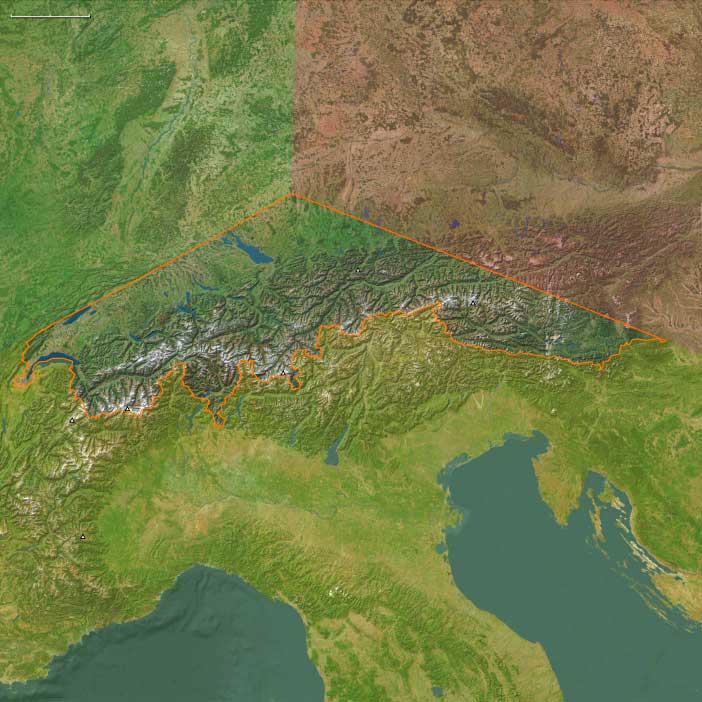
Geographic scope (corrected): Liechtenstein; most of Switzerland (excluding the far northwest); the extreme southern parts of Germany (southeastern Baden-Württemberg, southwestern Bavaria); and southwestern Austria—Vorarlberg, Tyrol, and Carinthia.
Environmental and land use
-
Lake restoration vs. growth pressures: Lake Constance (Bodensee) and Plateau lakes undergo anti-eutrophication programs even as shoreline urbanization and winter-sports infrastructure expand.
-
Alpine conservation: National-park proposals, glacier monitoring, and limits on high-altitude development gain traction; valley floors see continued industrial and housing growth.
Politics and society
-
Switzerland: Direct-democracy cycles intensify around energy, transport, and land-use. The Jura Question culminates in the creation of the Canton of Jura (1979), redrawing Bern’s northern frontier.
-
Liechtenstein: A small but increasingly finance- and services-oriented state deepens integration with Switzerland (customs/currency) while modernizing administration and infrastructure.
-
West Germany (regional slice): Allgäu–Bodensee communities in Bavaria and southeastern Baden-Württemberg balance lakeshore protection with export-industry corridors and cross-border labor flows.
-
Austria (Vorarlberg, Tyrol, Carinthia): Provincial governments push export-driven SMEs, hydro-electric upgrades, tourism capacity, and cross-border cooperation with Switzerland, Germany, and Italy.
Economy and infrastructure
-
Oil shocks (1973, 1979): Drive energy efficiency, public-transport investment, and interest in domestic hydropower and nuclear options.
-
New Alpine arteries:
-
Arlberg Road Tunnel (1978) binds Vorarlberg–Tyrol to east-west flows.
-
Gotthard Road Tunnel (1980) reshapes north–south freight and tourism between the Swiss Plateau and Lombardy.
-
-
Trade basins: The Bodensee–Rhine and Zürich corridors consolidate as finance, chemicals/pharma (Basel periphery), precision engineering, and tourism hubs.
Energy and the environmental movement
-
Nuclear debate peaks: Swiss and German-Swiss publics mobilize around siting and safety; Kaiseraugst near Basel becomes a flagship anti-nuclear occupation (1975), catalyzing green politics and spatial-planning reform.
-
Modal shifts: Fuel-saving measures, tram/bus upgrades, and early cycling infrastructure appear in lake and valley cities.
Culture and everyday life
-
Mass Alpine leisure: Affordable cars and tunnels democratize weekend skiing and hiking; resort towns balance growth with landscape protection.
-
Cross-border cultural circuits: Festivals and museums around Bodensee and the St. Gallen–Appenzell–Vorarlberg–Tyrol/Carinthia belt emphasize shared Alemannic and Alpine heritage; universities in Zürich and St. Gallen expand research in economics, law, and technology.
Security and risk
-
Terrorism periphery: West German left-wing militancy (the “German Autumn,” 1977) heightens vigilance but touches the subregion mainly via policing and transport security measures.
-
Hazards: Focus on tunnel safety, landslide/avalanche controls, and lake pollution incidents shapes emergency planning.
Groups
- Liechtenstein, Principality of
- Switzerland
- Germany, East (German Democratic Republic)
- Germany, West (Federal Republic of Germany)
- Baden-Württemberg, German Federal State of
- Bavaria, (German Federal) Free State of
- Austria, (Second) Republic of
- Jura, Swiss Canton of
Topics
Commodoties
Subjects
Regions
Subregions
Years: 1972 - 1983
Groups
- Liechtenstein, Principality of
- Switzerland
- Germany, East (German Democratic Republic)
- Germany, West (Federal Republic of Germany)
- Baden-Württemberg, German Federal State of
- Bavaria, (German Federal) Free State of
- Austria, (Second) Republic of
- Jura, Swiss Canton of
Topics
Commodoties
Subjects
Regions
Subregions