
Bavaria, (German Federal) Free State of
Substate | Active
1952 CE to 2057 CE
Worlds
The Great Crossroads
View →Related Events
Showing 7 events out of 7 total
South Central Europe (1828–1971 CE): Alpine States, Neutralities, and the Rise of Finance and Tourism
Geography & Environmental Context
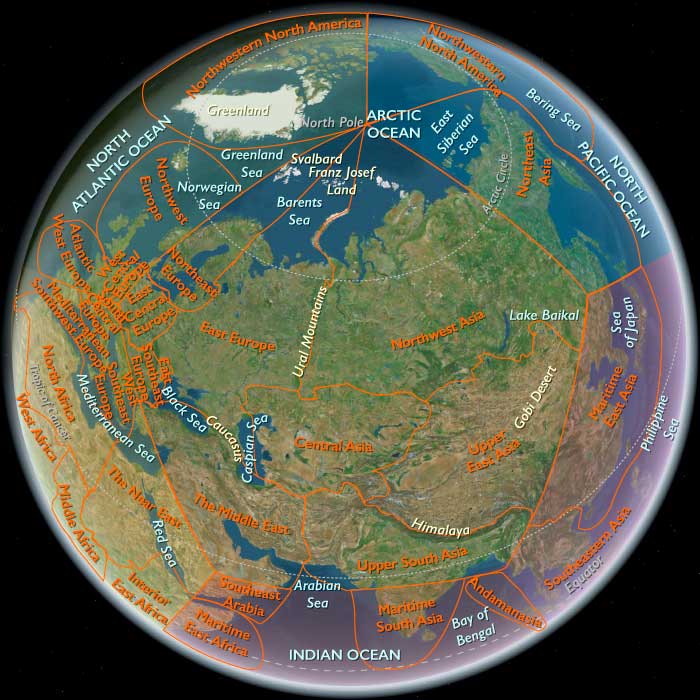
South Central Europe includes southern and western Austria (including Carinthia, but excluding Salzburg), Liechtenstein, extreme southwestern Germany, and Switzerland (including Geneva and Zurich, but excluding Basel and the northern Jura). Anchors include the Eastern and Central Alps (Vorarlberg, Tyrol, Carinthia, Grisons, Valais), the Lake Geneva basin, Lake Zurich, the Upper Rhine headwaters, and the Engadine and Ticino valleys. This was a landscape of rugged Alpine ranges, fertile river valleys, and urban nodes that linked the Mediterranean, Central Europe, and the Atlantic world.
Climate & Environmental Shifts
An alpine-temperate climate shaped life: snowy winters, late springs, and mild summers in valleys. The retreat of glaciers was recorded steadily from the mid-19th century onward, affecting tourism and river regimes. Floods (e.g., along the Inn, Rhine, and Ticino) and avalanches repeatedly destroyed villages, while new dams and hydroelectric reservoirs after 1900 stabilized both power supply and water management.
Subsistence & Settlement
-
Agriculture: Dairy farming dominated the Alps, producing cheese, butter, and milk for export. Vineyards lined the shores of Lake Geneva and Lake Zurich, while maize, rye, and potatoes fed valley communities.
-
Urbanization: Zurich and Geneva expanded as financial, commercial, and intellectual capitals; Innsbruck and Klagenfurt anchored Austrian Alpine provinces; Liechtenstein shifted from subsistence to export manufacturing after mid-century.
-
Industry: Textiles and machinery in Zurich, watchmaking in Neuchâtel and Geneva, precision tools and engineering in German-Swiss cantons, and aluminum smelting in Tyrol and Carinthia fueled regional growth.
Technology & Material Culture
-
Hydropower: Switzerland and Austria pioneered Alpine dams and hydroelectric plants, fueling chemical, aluminum, and railway industries.
-
Transport: The Gotthard (1882), Arlberg (1884), and Semmering railways linked valleys to Europe; motorways and tunnels after 1950 integrated the Alps into continental highways.
-
Tourism infrastructure: Grand hotels, cog railways (Rigi, Jungfrau), ski lifts, and later resorts transformed mountain valleys.
-
Everyday life: Stone farmhouses and chalets dominated rural culture; by the 20th century radios, sewing machines, and later household appliances entered Alpine households.
Movement & Interaction Corridors
-
Alpine passes: The Brenner, Gotthard, and Arlberg passes were strategic conduits for armies, merchants, and tourists.
-
Migration: Seasonal laborers from Tyrol and Grisons sought work abroad in the 19th century; post-1945, Italy and Yugoslavia sent guest workers into Austria and Switzerland.
-
Banking flows: Zurich and Geneva became international financial hubs, attracting deposits and investment, especially during periods of European instability.
-
Tourism: From British and German “grand tours” in the 19th century to mass ski tourism in the 20th, Alpine landscapes drew international visitors.
Cultural & Symbolic Expressions
-
Nationalism & state-building: Austrian provinces integrated into Habsburg rule until 1918, then became part of the Austrian Republic. Switzerland reinforced federal identity after 1848. Liechtenstein pivoted from Austrian dependence to Swiss alignment after 1919.
-
Religion: Catholicism dominated Tyrol, Carinthia, and much of Switzerland; Protestantism was strong in Zurich and other German-speaking cantons.
-
Arts & literature: Alpine romanticism (Turner, Byron in Switzerland), Swiss Realism (Gottfried Keller), Austrian modernism (Musil, Ingeborg Bachmann), and tourism imagery all framed the mountains as both sublime and habitable.
-
Cultural icons: Yodeling, alpine festivals, and Swiss watches became internationally recognized symbols; Zurich and Geneva universities drew global intellectuals.
Environmental Adaptation & Resilience
-
Alpine agriculture: Terracing, seasonal transhumance, and communal pasture rights maintained fragile ecosystems.
-
Disaster resilience: Avalanche barriers, reforestation projects, and river engineering protected communities.
-
Energy adaptation: Hydropower turned natural risks into resources, supplying electricity for domestic and export markets.
-
Tourism: Villages adapted to seasonal swings by diversifying into hotels, ski schools, and resorts, ensuring survival amid economic fluctuations.
Political & Military Shocks
-
1848 Revolutions: Shaped liberal reforms in Switzerland and Austria.
-
World War I: Austria’s Alpine fronts (Dolomites, Isonzo) devastated Tyrol and Carinthia; Switzerland and Liechtenstein remained neutral but mobilized defenses.
-
Interwar: Austria oscillated between authoritarian regimes; Switzerland reinforced neutrality and hosted exiles. Liechtenstein adopted Swiss currency (1921) to stabilize its economy.
-
World War II: Austria was annexed by Nazi Germany (1938–45); Tyrol and Carinthia were militarized. Switzerland defended neutrality with fortified borders and air defense. Liechtenstein, impoverished, leaned on Swiss trade.
-
Post-1945: Austria regained independence (1955) under permanent neutrality. Switzerland and Liechtenstein prospered as financial havens and tourist destinations.
Transition
Between 1828 and 1971, South Central Europe shifted from an agrarian, mountain-bound region into a hub of finance, hydropower, precision industry, and tourism. Dairy farms and vineyards endured, but Zurich and Geneva emerged as international financial capitals, Innsbruck and Tyrol as tourist magnets, and Liechtenstein as a tax haven. Wars scarred Austria, but neutrality after 1955 fostered stability. By 1971, South Central Europe epitomized Alpine resilience: a crossroads of mountain tradition, modern industry, and global finance that anchored both cultural identity and economic prosperity.
East Central Europe (1960–1971 CE): Gradual Liberalization, Economic Struggles, and Political Realignments
Between 1960 and 1971, East Central Europe—encompassing modern-day Poland, Czechia, Slovakia, Hungary, and eastern portions of Germany and Austria east of 10°E and north of the boundary line running from roughly 48.2°N at 10°E southeastward to the Austro-Slovenian border near 46.7°N, 15.4°E—experienced incremental political relaxation within a broader context of continuing Soviet control, economic stagnation, and societal tensions. This period, notably marked by the Prague Spring and subsequent Soviet invasion, profoundly shaped regional politics and Cold War dynamics.
Political and Military Developments
The Prague Spring and Soviet Invasion (1968)
-
In January 1968, Alexander Dubček became the leader of Czechoslovakia’s Communist Party, initiating a reformist movement known as the Prague Spring, which advocated "socialism with a human face," liberalizing political expression, loosening censorship, and promoting greater democratization.
-
The reforms alarmed the Soviet Union, prompting a military invasion by Warsaw Pact forces on August 20–21, 1968, crushing the movement, removing Dubček from power, and installing a pro-Soviet leadership under Gustáv Husák, who initiated a period of "normalization" marked by renewed authoritarian control.
East German Isolation and the Berlin Wall (1961)
-
In August 1961, the East German government erected the Berlin Wall, permanently dividing Berlin and symbolically cementing Cold War divisions. The wall significantly reduced East German emigration but became a global symbol of Soviet oppression.
Polish Political Turbulence and Gomulka’s Decline
-
Poland experienced growing social unrest, economic discontent, and political tension throughout the 1960s under Władysław Gomułka. Severe food shortages and unpopular economic policies triggered massive protests, notably the December 1970 uprising, violently suppressed, ultimately leading to Gomułka's ouster and replacement by Edward Gierek.
Hungary’s Continued Liberalization under Kádár
-
Hungary, under János Kádár, maintained a cautious path of gradual liberalization known as "Goulash Communism," emphasizing modest economic reforms, improved living standards, and limited cultural openness, avoiding direct confrontation with Soviet authority.
Economic and Technological Developments
Economic Struggles and Attempts at Reform
-
Regional economies struggled with chronic inefficiency, stagnation, and persistent shortages due to inflexible central planning. Czechoslovakia and Hungary attempted modest economic reforms aimed at decentralization and consumer-oriented production.
-
Poland’s economic deterioration culminated in widespread worker protests, reflecting widespread dissatisfaction with living conditions and state control.
Industrial Development and Infrastructure
-
Despite inefficiencies, significant investments continued in heavy industry, energy infrastructure, and urban development, notably expanding industrial centers in Poland’s Silesia, Hungary’s industrial belt, and East Germany’s manufacturing regions.
Cultural and Social Developments
Cultural Liberalization and Constraints
-
Before Soviet suppression, Czechoslovakia briefly experienced a cultural flowering during the Prague Spring, marked by flourishing literature, film, and intellectual debate.
-
Hungary’s controlled cultural liberalization permitted limited artistic freedom, contributing to a vibrant but still carefully monitored cultural landscape.
Religious Institutions and Passive Resistance
-
Religious organizations, particularly the Catholic Church in Poland and Hungary, continued as focal points of passive resistance against communist ideology, subtly shaping social dissent and preserving alternative cultural identities.
Settlement and Urban Development
Socialist Urban Expansion
-
East Central Europe saw continued state-driven urban expansion, creating standardized housing complexes and infrastructure improvements, reshaping urban spaces and daily life under socialist planning models.
Long-Term Consequences and Historical Significance
The era from 1960 to 1971 proved critical for East Central Europe. The Prague Spring’s suppression reaffirmed Soviet hegemony but exposed underlying tensions, while limited liberalization in Hungary and turmoil in Poland underscored persistent economic and social pressures. These events significantly shaped regional identity and resistance strategies, laying the foundations for future political realignments and ultimately contributing to the late-century collapse of Soviet control.
East Central Europe (1972–1983 CE): Late Cold War Stability, Economic Stagnation, and Growing Dissent
Between 1972 and 1983, East Central Europe—comprising Poland, Czechia, Slovakia, Hungary, and eastern regions of Germany and Austria east of 10°E and northeast of the defined boundary—remained firmly within the Soviet-led Eastern Bloc. This era was marked by relative political stability under entrenched Communist regimes, persistent economic stagnation, increasingly overt social dissatisfaction, and notable movements of dissent, particularly in Poland.
Political and Military Developments
Entrenched Communist Regimes
-
East Germany (GDR) under Erich Honecker (1971–1989) maintained rigid political control, heavily reliant on the Stasi secret police.
-
Czechoslovakia under Gustáv Husák's "normalization" policies maintained tight control following the suppressed Prague Spring, limiting political dissent but fueling passive resistance and cultural disillusionment.
-
Hungary under János Kádár's more moderate "Goulash Communism" cautiously implemented minor economic reforms and increased consumer goods availability, maintaining relative political calm.
Poland: Rising Opposition and Martial Law
-
1978: Polish Cardinal Karol Wojtyła elected Pope John Paul II, profoundly influencing national morale and Catholic identity.
-
1980–1981: The emergence of Solidarity (Solidarność), the first independent trade union behind the Iron Curtain, led by Lech Wałęsa, rapidly gathered massive popular support, demanding economic reforms, workers’ rights, and political liberalization.
-
December 1981: Polish Communist leader General Wojciech Jaruzelski imposed martial law, outlawing Solidarity, arresting thousands, and imposing strict military governance, attempting to restore Communist authority.
Cold War Tensions and NATO-Warsaw Pact Relations
-
Amid escalating Cold War tensions between the United States and the USSR, East Central European countries remained key frontline Warsaw Pact states, hosting significant Soviet military forces, especially in East Germany and Czechoslovakia.
Economic and Technological Developments
Economic Stagnation and Shortages
-
Socialist command economies in East Germany, Poland, Hungary, and Czechoslovakia faced chronic inefficiency, shortages of consumer goods, poor productivity, and growing public dissatisfaction.
-
Poland experienced severe economic crises characterized by soaring inflation, food shortages, rationing, and widespread strikes throughout the early 1980s, fueling Solidarity’s growth.
Limited Technological Advancement
-
Centralized planning and isolation from Western technological innovations hindered technological modernization, despite some limited advances in industrial infrastructure and energy production (especially nuclear power plants in East Germany and Czechoslovakia).
Cultural and Artistic Developments
Cultural Controls and Dissent
-
Communist authorities maintained tight control over cultural production, with censorship and Socialist Realism predominating, particularly in East Germany and Czechoslovakia.
-
Nevertheless, underground literary circles, samizdat (self-published) literature, and unofficial artistic movements thrived discreetly, notably in Poland and Hungary, fostering intellectual dissent and social critique.
Influence of Pope John Paul II
-
John Paul II’s visits to Poland in 1979 and 1983 profoundly energized Polish society, fueling cultural resilience and anti-regime sentiments, significantly contributing to the legitimacy and momentum of the Solidarity movement.
Settlement and Urban Development
Socialist Urban Planning
-
Urban development continued along established socialist planning principles, with large-scale standardized housing blocks (Plattenbau), notably in East Berlin, Warsaw, Budapest, Bratislava, and Prague, addressing chronic housing shortages yet often criticized for impersonal architectural uniformity.
Social and Religious Developments
Growth of Religious and Social Dissent
-
Religion became a powerful source of opposition, especially in predominantly Catholic Poland, where the Church openly supported societal dissent against Communist rule.
-
In other East Central European countries, religious organizations subtly offered spaces for social cohesion and quiet resistance to regime-imposed atheism.
Long-Term Consequences and Historical Significance
The era 1972–1983 proved pivotal in East Central Europe, as entrenched yet increasingly fragile Communist regimes confronted growing social dissatisfaction, economic stagnation, and organized dissent. Events in Poland, notably the rise of Solidarity and the imposition of martial law, symbolized a critical turning point, undermining Communist legitimacy and foreshadowing broader systemic crises. These developments laid critical foundations for the dramatic political transformations and revolutions that unfolded across East Central Europe in the late 1980s and early 1990s.
South Central Europe (1972–1983 CE)
Oil-Shock Adaptation, Alpine Infrastructure, and Green Mobilization
Geographic scope (corrected): Liechtenstein; most of Switzerland (excluding the far northwest); the extreme southern parts of Germany (southeastern Baden-Württemberg, southwestern Bavaria); and southwestern Austria—Vorarlberg, Tyrol, and Carinthia.
Environmental and land use
-
Lake restoration vs. growth pressures: Lake Constance (Bodensee) and Plateau lakes undergo anti-eutrophication programs even as shoreline urbanization and winter-sports infrastructure expand.
-
Alpine conservation: National-park proposals, glacier monitoring, and limits on high-altitude development gain traction; valley floors see continued industrial and housing growth.
Politics and society
-
Switzerland: Direct-democracy cycles intensify around energy, transport, and land-use. The Jura Question culminates in the creation of the Canton of Jura (1979), redrawing Bern’s northern frontier.
-
Liechtenstein: A small but increasingly finance- and services-oriented state deepens integration with Switzerland (customs/currency) while modernizing administration and infrastructure.
-
West Germany (regional slice): Allgäu–Bodensee communities in Bavaria and southeastern Baden-Württemberg balance lakeshore protection with export-industry corridors and cross-border labor flows.
-
Austria (Vorarlberg, Tyrol, Carinthia): Provincial governments push export-driven SMEs, hydro-electric upgrades, tourism capacity, and cross-border cooperation with Switzerland, Germany, and Italy.
Economy and infrastructure
-
Oil shocks (1973, 1979): Drive energy efficiency, public-transport investment, and interest in domestic hydropower and nuclear options.
-
New Alpine arteries:
-
Arlberg Road Tunnel (1978) binds Vorarlberg–Tyrol to east-west flows.
-
Gotthard Road Tunnel (1980) reshapes north–south freight and tourism between the Swiss Plateau and Lombardy.
-
-
Trade basins: The Bodensee–Rhine and Zürich corridors consolidate as finance, chemicals/pharma (Basel periphery), precision engineering, and tourism hubs.
Energy and the environmental movement
-
Nuclear debate peaks: Swiss and German-Swiss publics mobilize around siting and safety; Kaiseraugst near Basel becomes a flagship anti-nuclear occupation (1975), catalyzing green politics and spatial-planning reform.
-
Modal shifts: Fuel-saving measures, tram/bus upgrades, and early cycling infrastructure appear in lake and valley cities.
Culture and everyday life
-
Mass Alpine leisure: Affordable cars and tunnels democratize weekend skiing and hiking; resort towns balance growth with landscape protection.
-
Cross-border cultural circuits: Festivals and museums around Bodensee and the St. Gallen–Appenzell–Vorarlberg–Tyrol/Carinthia belt emphasize shared Alemannic and Alpine heritage; universities in Zürich and St. Gallen expand research in economics, law, and technology.
Security and risk
-
Terrorism periphery: West German left-wing militancy (the “German Autumn,” 1977) heightens vigilance but touches the subregion mainly via policing and transport security measures.
-
Hazards: Focus on tunnel safety, landslide/avalanche controls, and lake pollution incidents shapes emergency planning.
South Central Europe (1984–1995 CE)
Late Cold War Stability, EU Integration Pressures, and Environmental Agreements
Geographic scope: Liechtenstein; most of Switzerland (excluding the far northwest); the extreme southern parts of Germany (southeastern Baden-Württemberg, southwestern Bavaria); and southwestern Austria—Vorarlberg, Tyrol, and Carinthia.
Environmental and Land Use
-
Alpine Convention groundwork: Discussions on cross-border environmental management in the Alps begin in the late 1980s, setting the stage for the 1991 Alpine Convention signed in Salzburg.
-
Transit pollution concerns: Growing freight traffic through the Gotthard and Brenner corridors heightens worries over air quality, noise, and glacier retreat.
-
Lake rehabilitation continues: Bodensee water quality improvements yield measurable gains in biodiversity; Swiss Plateau lakes benefit from wastewater-treatment upgrades.
Politics and Society
-
Switzerland: Maintains neutrality but faces debates over EFTA participation vs. closer EU integration. In 1992, Swiss voters reject European Economic Area (EEA) membership, affirming a cautious approach to European integration.
-
Liechtenstein: Deepens financial-sector regulation to align with European standards, joins the EEA in 1995.
-
West Germany → Reunified Germany: The Allgäu and Bodensee areas experience infrastructural upgrades and benefit from post-reunification economic expansion.
-
Austria: Pursues EEA membership in 1994 and joins the European Union in 1995, with Vorarlberg, Tyrol, and Carinthia adapting to new EU frameworks.
Economy and Infrastructure
-
Tunnel and rail projects: Planning intensifies for new Alpine rail tunnels (Gotthard Base Tunnel concept, Brenner Base Tunnel studies).
-
Tourism diversification: Resorts expand summer offerings (hiking, cultural festivals) alongside winter sports.
-
Finance and services: Zürich, Geneva, and Vaduz consolidate positions as niche global financial hubs.
-
Manufacturing modernization: Precision engineering, textiles, and high-value manufacturing benefit from automation and cross-border supply chains.
Culture and Everyday Life
-
Cross-border cultural zones: EU cultural funding in Austria boosts Alpine heritage programs; Bodensee region builds on shared festivals and museum networks.
-
Media and transport integration: Cross-border radio/TV signals and growing highway connectivity reduce cultural isolation in mountain valleys.
Security and Risk
-
Transit safety and hazards: Focus on avalanche protection, landslide mitigation, and dangerous-goods regulations for Alpine tunnels.
-
Environmental diplomacy: The Alpine Convention’s protocols on spatial planning, conservation, and sustainable tourism gain momentum toward the mid-1990s.
South Central Europe (1996–2007 CE)
EU Deepening, Cross-Border Integration, and Sustainable Transport Push
Geographic scope: Liechtenstein; most of Switzerland (excluding the far northwest); the extreme southern parts of Germany (southeastern Baden-Württemberg, southwestern Bavaria); and southwestern Austria—Vorarlberg, Tyrol, and Carinthia.
Environmental and Land Use
-
Alpine Convention protocols: Between 1998 and 2006, signatory states ratify protocols on spatial planning, conservation, tourism, and mountain agriculture, shaping infrastructure and land-use planning.
-
Transit emissions: EU enlargement (2004) and rising freight volumes through the Gotthard and Brenner corridors intensify public pressure for modal shifts from road to rail.
-
Biodiversity protection: Alpine parks in Austria and Switzerland expand; cross-border wildlife corridors begin to be implemented.
Politics and Society
-
Switzerland: Signs bilateral agreements with the EU (1999, 2004), granting greater market access while staying outside the EU. Joins the Schengen Area in 2005 via referendum approval.
-
Liechtenstein: Aligns with EU regulations through EEA membership; maintains open borders with Switzerland and Austria.
-
Austria: Fully engaged in EU governance after joining in 1995; promotes alpine interests in EU transport and environment policy.
-
Germany (regional slice): Allgäu and Bodensee regions deepen integration with Austrian and Swiss neighbors through INTERREG programs.
Economy and Infrastructure
-
AlpTransit/Gotthard Base Tunnel: Construction begins in 1999 on what will become the world’s longest rail tunnel, aiming to shift freight from road to rail.
-
Brenner Base Tunnel planning: Italy, Austria, and EU partners commit to the design phase by mid-2000s.
-
Tourism: Emphasis on year-round sustainable tourism, integrating cultural heritage, cycling, and eco-trails.
Culture and Everyday Life
-
Cultural networks: EU and EEA cultural programs fund cross-border festivals, museum partnerships, and preservation of alpine heritage sites.
-
Media & ICT: Broadband expansion into mountain valleys reduces digital divides.
Security and Risk
-
Flood and hazard management: Severe Alpine floods (2005) prompt investment in river defenses and hazard mapping.
-
Cross-border emergency cooperation: Agreements signed to improve avalanche and rescue coordination.
South Central Europe (2008–2019 CE)
Global Financial Crisis, Climate Adaptation, and Mega-Project Completion
Geographic scope: Liechtenstein; most of Switzerland (excluding the far northwest); the extreme southern parts of Germany (southeastern Baden-Württemberg, southwestern Bavaria); and southwestern Austria—Vorarlberg, Tyrol, and Carinthia.
Environmental and Land Use
-
Climate change adaptation: Accelerated glacier retreat prompts investment in high-altitude water storage, avalanche barriers, and slope stabilization.
-
Transit policy: Continued efforts to shift freight from road to rail through the Gotthard and Brenner corridors, supported by stricter emission rules and environmental charges.
-
Biodiversity networks: Expanded cross-border ecological corridors link protected areas between Austria, Switzerland, and Germany.
Politics and Society
-
Switzerland: Maintains EU bilateral agreements; 2014 immigration referendum prompts renegotiations with the EU, resolved by compromise in 2016.
-
Liechtenstein: Modernizes banking compliance to align with international transparency standards, maintaining a niche finance role.
-
Austria: Tyrol and Carinthia actively shape Brenner Base Tunnel implementation; Vorarlberg advances renewable energy targets.
-
Germany (regional slice): Allgäu and Bodensee regions leverage tourism, renewables, and cultural branding.
Economy and Infrastructure
-
Gotthard Base Tunnel completion: World’s longest rail tunnel opens in 2016, a flagship for sustainable transport policy.
-
Brenner Base Tunnel: Main excavation advances, with completion slated beyond 2019.
-
Tourism shift: Increased focus on year-round tourism, climate-resilient ski infrastructure, and cultural-tourism offerings.
-
Green energy: Hydropower upgrades and solar installations expand in alpine communities.
Culture and Everyday Life
-
Cross-border cultural branding: Joint festivals and UNESCO heritage initiatives highlight the shared Alpine identity.
-
Digital connectivity: Broadband coverage in mountain regions reaches near-universal levels, enabling remote work and e-commerce in rural communities.
Security and Risk
-
Hazards: More frequent extreme weather events (floods, heatwaves, heavy snowfalls) prompt emergency planning reforms.
-
International cooperation: Alpine countries deepen joint hazard monitoring and rescue coordination under Alpine Convention frameworks.