
South Polynesia (1108 – 1251 CE): Aotearoa’s…
1108 CE to 1251 CE
South Polynesia (1108 – 1251 CE): Aotearoa’s Expansion, Chatham Islanders, and Oceanic Adaptations
Geographic and Environmental Context
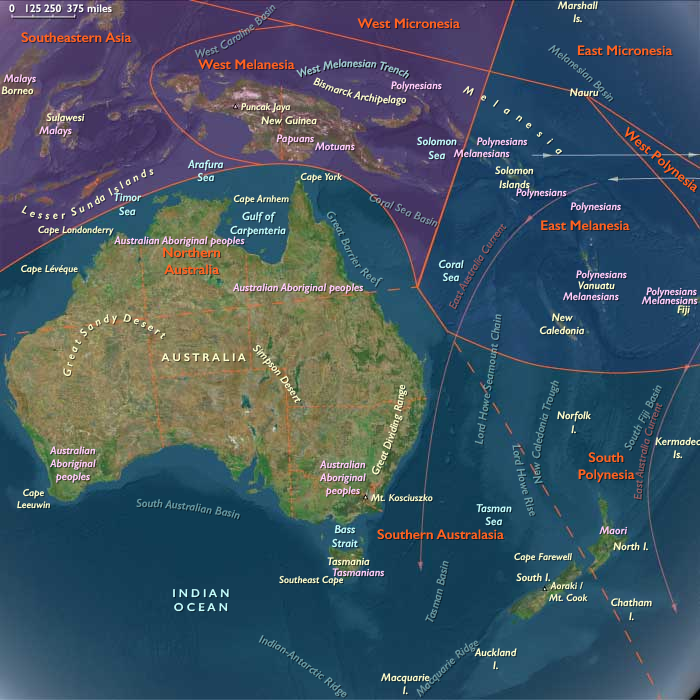
South Polynesia includes New Zealand’s North Island (except for the southern coast), the Chatham Islands, Norfolk Island, and the Kermadec Islands.
-
Aotearoa (New Zealand’s North Island) featured fertile river valleys, volcanic plateaus, and extensive forests, supporting a wide range of resources.
-
The Chatham Islands, cooler and more isolated, provided seabird rookeries, marine resources, and limited horticultural potential.
-
Norfolk and the Kermadec Islands were smaller volcanic islands, marginal but integrated into voyaging networks.
-
The region represented the southern frontier of Polynesian expansion, with its cooler climate demanding new adaptations.
Climate and Environmental Shifts
-
The Medieval Warm Period (c. 950–1250) provided relatively mild conditions, favorable for early horticulture in Aotearoa.
-
In the Chatham Islands, cooler temperatures and poor soils limited horticulture, encouraging reliance on foraging and fishing.
-
Variability in storm patterns shaped settlement, especially on smaller islands.
Societies and Political Developments
-
Māori ancestors in Aotearoa expanded settlement across the North Island, forming tribal groups (iwi and hapū) organized through kinship and ancestral descent.
-
Chatham Islanders (Moriori) developed a distinct society less reliant on horticulture, oriented toward foraging and marine resources.
-
Norfolk and the Kermadecs hosted small-scale horticultural communities tied into Polynesian voyaging traditions.
-
Leadership was based on chiefs (rangatira) who held authority through mana (sacred power) and lineage, supported by ritual specialists (tohunga).
Economy and Trade
-
Horticulture: kūmara (sweet potato), taro, and yam cultivation spread in Aotearoa, adapted to cooler conditions with storage pits and careful seasonal timing.
-
Foraging and hunting: large flightless birds such as the moa were hunted intensively in Aotearoa, while forests supplied timber and birds.
-
Chatham Islanders relied heavily on fish, shellfish, and seabirds, with limited horticulture.
-
Exchange: stone adzes, obsidian, greenstone (pounamu), and shell ornaments circulated among communities.
Subsistence and Technology
-
Earth ovens (hāngī) were used for cooking, reflecting continuity of Polynesian culinary traditions.
-
Storage pits were developed in Aotearoa to preserve kūmara through the winter.
-
Large ocean-going canoes (waka) enabled coastal voyaging and migration within Aotearoa.
-
The Chatham Islanders constructed smaller canoes suited for local fishing, reflecting ecological adaptation.
Movement and Interaction Corridors
-
Coastal voyaging tied North Island communities together, linking river valleys, forests, and bays.
-
Inter-island navigation connected Aotearoa to Norfolk and the Kermadecs in earlier centuries, though these links diminished over time.
-
The Chatham Islands were reached by Polynesian voyagers from Aotearoa, establishing a distinct community.
-
Internal migration within Aotearoa spread horticulture and kin networks across the landscape.
Belief and Symbolism
-
Māori cosmology emphasized gods of sky (Rangi) and earth (Papa), with narratives of separation shaping ritual and identity.
-
Ancestor veneration reinforced kinship authority, with mana and tapu (sacred restrictions) regulating society.
-
Chatham Islanders maintained ancestral traditions, focusing on spirits tied to the sea and land.
-
Ritual specialists oversaw ceremonies, navigation chants, and agricultural rites.
Adaptation and Resilience
-
Agricultural innovation in Aotearoa (storage pits, seasonal planting) enabled Polynesian horticulture to thrive at higher latitudes.
-
Hunting and foraging supplemented horticulture, reducing vulnerability to crop failure.
-
In the Chatham Islands, the ecological shift to a primarily foraging economy demonstrated remarkable resilience.
-
Kinship ties and reciprocal exchanges reinforced cohesion across communities and ecological zones.
Long-Term Significance
By 1251 CE, South Polynesia had become a frontier of Polynesian cultural adaptation. In Aotearoa, Māori society took shape through horticultural innovation, tribal organization, and ancestral ritual systems. In the Chathams, the Moriori developed distinctive lifeways adapted to cooler climates and limited horticulture. The region showcased the flexibility and resilience of Polynesian societies, as they carried their traditions to the farthest reaches of the Pacific.
Subjects
Regions
Australasia
View →Subregions
