Event
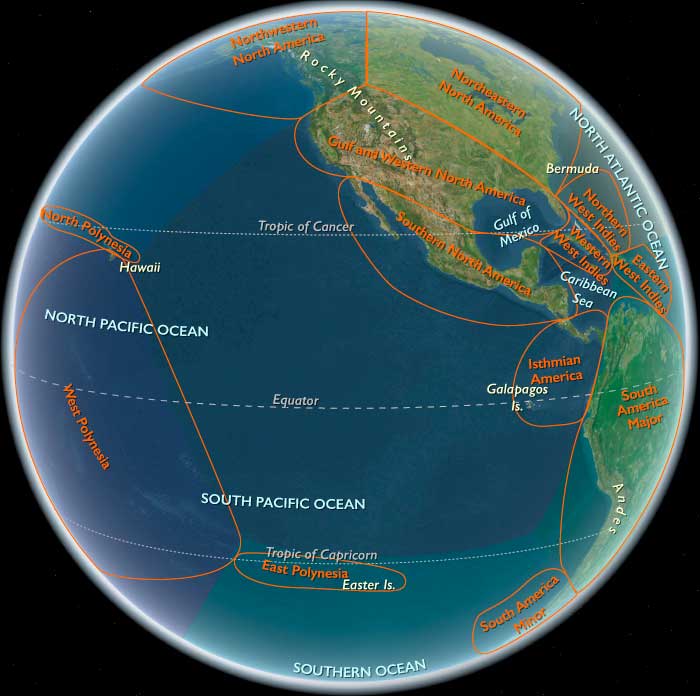
Southern North America (1540–1683 CE): Colonial Consolidation,…
Southern North America (1540–1683 CE): Colonial Consolidation, Indigenous Communities, and the Silver Economy
Geographic and Environmental Context
After 1540, Southern North America became a core region of the Spanish American empire, but colonial control remained geographically uneven. The Basin of Mexico and central Mexican valleys were closely integrated into New Spain, while mountains, forests, Yucatán, Petén, and peripheral Central American districts contained communities with varying degrees of autonomy.
The most dramatic environmental changes came from demographic collapse, livestock expansion, mining, new crops, timber demand, and the concentration of settlements around colonial towns and estates.
Societies and Political Development
The Viceroyalty of New Spain consolidated authority through towns, courts, church institutions, tribute systems, and local Indigenous governments. Spanish officials frequently governed through recognized Indigenous communities rather than replacing them outright.
Population losses from epidemic disease were catastrophic. Many villages disappeared or merged, and Spanish congregation policies resettled people into nucleated towns. Yet Indigenous municipal organizations, communal lands, local elites, and household farming remained fundamental.
Labor took several forms. Encomienda tribute survived in parts of the region, while repartimiento drafts, wage labor, debt relationships, household production, slavery, and estate work overlapped. African and Afro-descended populations became important especially in ports, plantations, urban districts, ranches, and warmer lowlands.
Some Maya territories remained beyond effective Spanish rule. The Itza-centered polity of Petén, for example, survived throughout this age.
Productive Landscape and Economy
Silver mining transformed central and northern Mexico. Mining districts required grain, livestock, timber, charcoal, leather, tools, transport animals, and labor, stimulating broad commercial networks.
Haciendas and ranches expanded in many regions. Wheat, cattle, sheep, horses, sugar cane, and other introduced species joined rather than replaced maize, beans, squash, chile, agave, cacao, and cotton.
Indigenous communities remained major agricultural producers and supplied local and urban markets.
Movement and Interaction Corridors
The road network around Mexico City connected mining districts, agricultural valleys, Veracruz, and Pacific ports. Mule trains moved silver, food, textiles, and imported goods.
Veracruz connected New Spain with Atlantic shipping, while Acapulco became the American terminus of the Manila galleon system. Asian goods entered Mexican markets, while silver moved westward across the Pacific.
Technology and Material Culture
Iron tools, wheeled carts, draft animals, water mills, mining machinery, European shipbuilding, and firearms entered the colonial economy. Indigenous technologies in irrigation, ceramics, weaving, food processing, herbal knowledge, and agriculture remained indispensable.
Urban and rural architecture increasingly combined Indigenous labor and building practice with Spanish forms.
Religion and Cultural Expression
Franciscans, Dominicans, Augustinians, Jesuits, and secular clergy established churches, convents, schools, confraternities, and missions. Public ceremonial landscapes changed dramatically as churches appeared within Indigenous towns.
Christianization, however, was neither immediate nor complete. Agricultural rituals, sacred mountains, caves, household practices, Indigenous languages, dances, and community traditions persisted and increasingly became intertwined with Catholic saints and festivals.
Adaptation and Resilience
Indigenous communities navigated colonial demands through litigation, communal landholding, migration, market participation, selective accommodation, and preservation of household production. In peripheral forests and mountains, some communities retained substantial autonomy.
Legacy of the Age
By 1683, colonial institutions had become deeply established, silver and long-distance trade tied the region to a global economy, and Old World crops and livestock had transformed many landscapes. Yet Indigenous villages, crops, languages, labor, and local political institutions remained foundational to Southern North American society.

-
{# Image navigates to the detail page; the magnifying-glass chip is the only Fancybox lightbox trigger (kept a separate sibling — anchors can't nest). #}
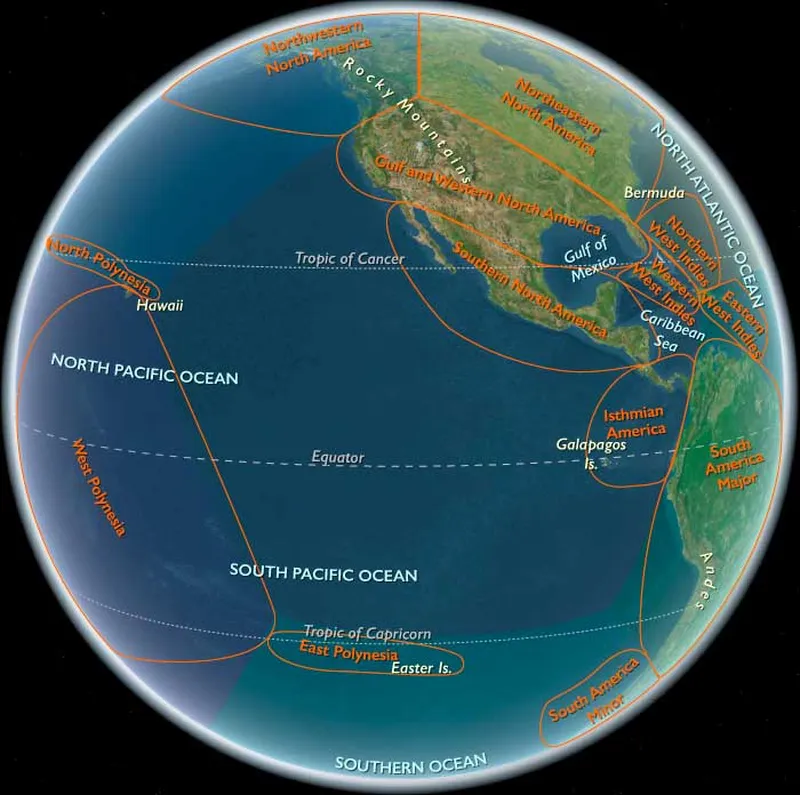 The Far West
World
-
{# Image navigates to the detail page; the magnifying-glass chip is the only Fancybox lightbox trigger (kept a separate sibling — anchors can't nest). #}
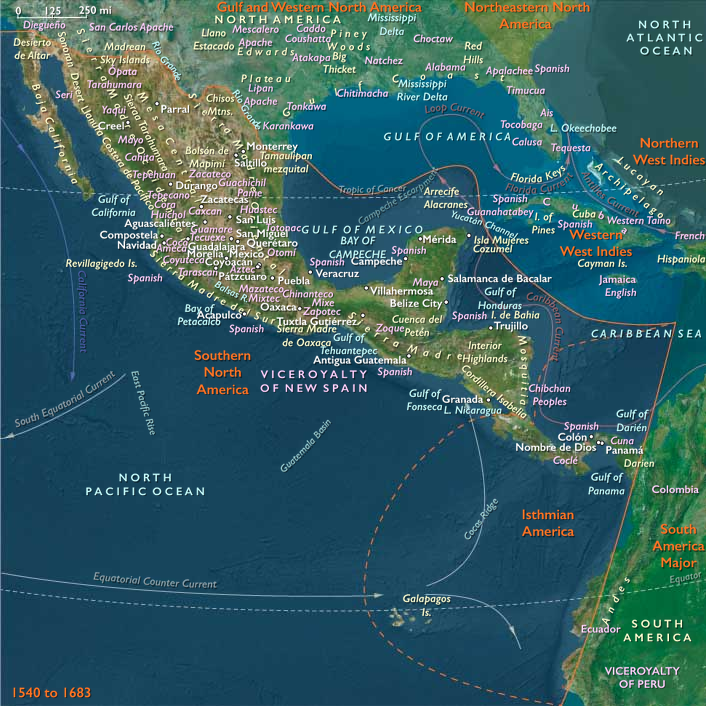 Middle America
Region
-
{# Image navigates to the detail page; the magnifying-glass chip is the only Fancybox lightbox trigger (kept a separate sibling — anchors can't nest). #}
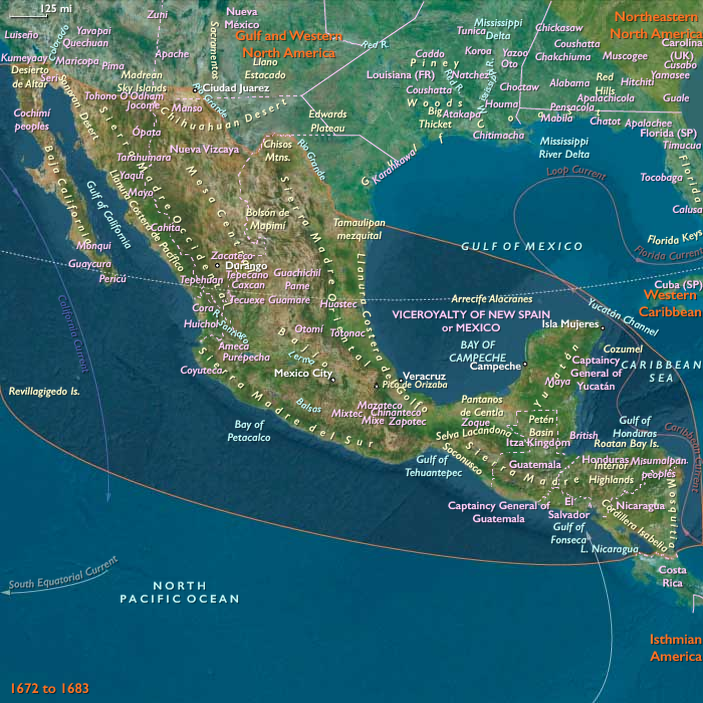 Southern North America
Subregion