Event
Southern North America (909 BCE–819 CE): Agricultural…
Southern North America (909 BCE–819 CE): Agricultural Civilizations, Highland Kingdoms, and Mesoamerican Exchange
Geographic Parameters
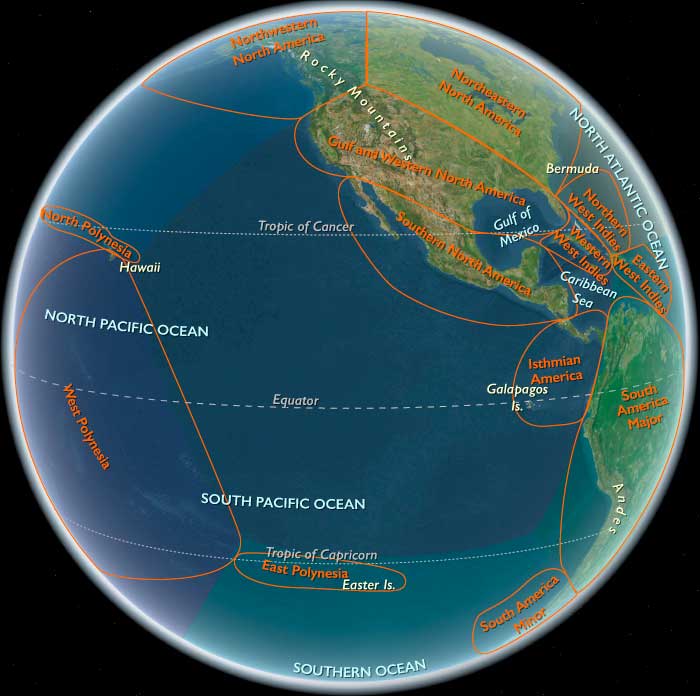
The subregion includes present-day Mexico, Guatemala, Belize, Honduras, El Salvador, and Nicaragua. It encompasses the Mexican Plateau, the volcanic highlands of Central America, the Maya Lowlands, the Gulf Coastal Plain, the Pacific coastal lowlands, the Yucatán Peninsula, and major river systems including the Usumacinta, Grijalva, Motagua, and Lerma.
Environmental Continuity
Throughout the epoch, diverse ecological zones formed the enduring foundation of Mesoamerican civilization. Tropical rainforests, seasonally dry forests, volcanic uplands, fertile interior valleys, limestone plains, wetlands, and extensive coastal environments supported highly productive agricultural landscapes. Seasonal rainfall, periodic droughts, volcanic activity, and tropical storms continually influenced settlement, water management, and agricultural organization.
Human Adaptation
Communities developed increasingly intensive agricultural systems adapted to local environments. Maize, beans, squash, chili peppers, cacao, cotton, and numerous tropical fruits formed the agricultural foundation of society, supported by terracing, raised fields, irrigation, forest gardens, and sophisticated water-management systems. Distinct ecological zones encouraged complementary economies linking highlands, tropical forests, and coastal regions.
Economic Organization
Southern North America became one of the principal economic centers of the pre-Columbian Americas. Extensive trade networks connected highland kingdoms, tropical lowland cities, coastal settlements, and neighboring regions through overland routes, navigable rivers, and maritime corridors. Obsidian, jade, cacao, salt, cotton textiles, ceramics, feathers, marine shells, and other specialized goods circulated across increasingly integrated regional economies.
Institutions and Society
Permanent towns and cities became the dominant institutional framework of much of the subregion. Monumental ceremonial precincts, palaces, marketplaces, ball courts, and administrative compounds organized civic life while remaining embedded within productive agricultural landscapes. Writing, calendrical systems, astronomy, mathematics, and monumental art expanded alongside increasingly sophisticated systems of governance and historical record keeping.
Belief and Sacred Landscapes
Religious life united agriculture, political authority, and the natural world. Mountains, caves, springs, forests, and sacred cenotes possessed enduring spiritual importance, while temples, pyramids, ball courts, and ceremonial plazas provided settings for public ritual. Maize, rain, fertility, celestial cycles, jaguars, serpents, and ancestral rulers occupied central roles within Mesoamerican cosmology, expressed through sculpture, painted monuments, architecture, and hieroglyphic inscriptions.
Regional Interaction
The Mexican Plateau, Maya Lowlands, Gulf Coast, Pacific Coast, and Central American highlands became increasingly interconnected through commercial exchange, diplomacy, warfare, pilgrimage, and shared religious traditions. Coastal navigation complemented extensive inland trade routes, while river systems and engineered causeways strengthened communication among agricultural regions and urban centers.
Long-Term Significance
By CE 819, Southern North America contained the most complex urban civilizations of the Americas. Its productive agricultural systems, monumental cities, scientific achievements, writing traditions, and extensive exchange networks integrated diverse ecological regions into one of the world's great centers of early civilization while remaining fundamentally dependent upon the environmental diversity that sustained Mesoamerican society.
-
{# Image navigates to the detail page; the magnifying-glass chip is the only Fancybox lightbox trigger (kept a separate sibling — anchors can't nest). #}
 The Far West
World
-
{# Image navigates to the detail page; the magnifying-glass chip is the only Fancybox lightbox trigger (kept a separate sibling — anchors can't nest). #}
 Middle America
Region
-
{# Image navigates to the detail page; the magnifying-glass chip is the only Fancybox lightbox trigger (kept a separate sibling — anchors can't nest). #}
 Southern North America
Subregion