Cutting logwood is a simple, small-scale operation,…
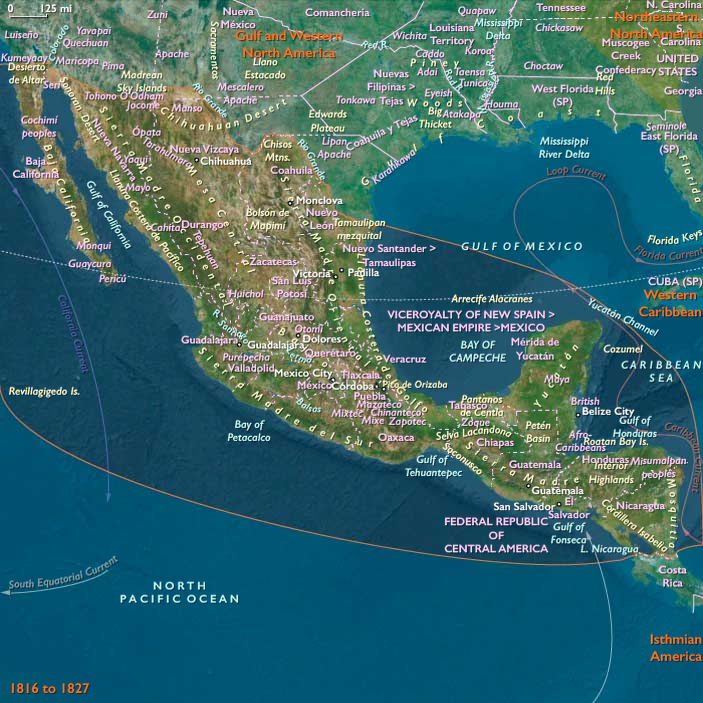
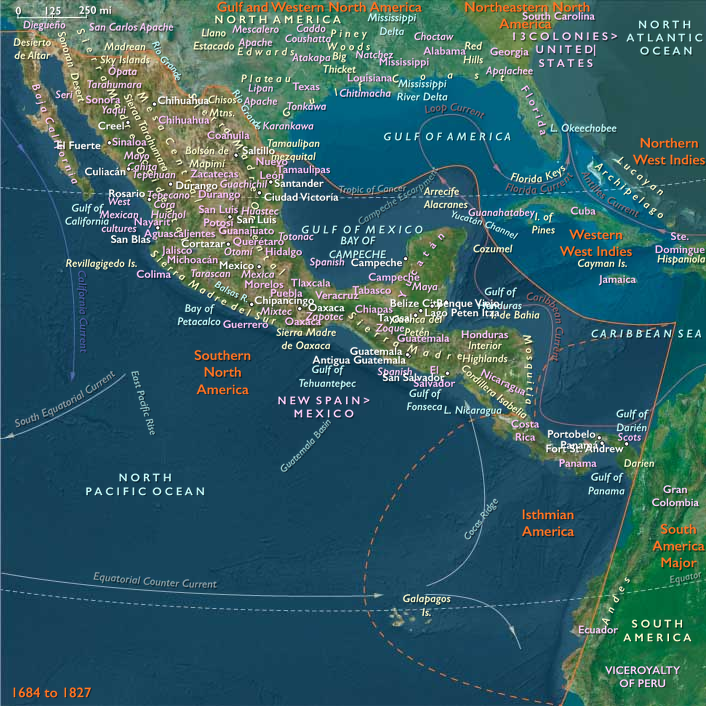
1684 CE to 1827 CE
Slavery in the settlement is associated with the extraction of timber, first logwood, then mahogany, as treaties forbid the production of plantation crops.
This difference in economic function gives rise to variations in the organization, conditions, and treatment of enslaved people.
The earliest reference to enslaved Africans in the British settlement appears in a 1724 Spanish missionary's account, which states that the British recently had been importing them from Jamaica and Bermuda.
The total slave population numbers about twenty-three hundred a century later.
Most slaves, even if brought through West Indian markets, were born in Africa, probably from around the Bight of Benin, the Congo, and Angola—the principal sources of British slaves in the late eighteenth century.
The Eboe, or Ibo, seem to have been particularly numerous; one section of Belize Town is known as Eboe Town in the first half of the nineteenth century.
At first, many slaves maintain African ethnic identifications and cultural practices.
The process of assimilation, however, gradually creates a new, synthetic Creole culture.
The whites, although a minority in the settlement, monopolize power and wealth by dominating the chief economic activities of trade and cutting timber.
They also control the first legislature and the judicial and administrative institutions.
As a result, the British settlers have a disproportionate influence on the development of the Creole culture.
Anglican, Baptist, and Methodist missionaries help devalue and suppress African cultural heritage.
Locations
People
Groups
Maya peoples
View →
Igbo people
View →
English people
View →
Santiago, Colony of (Spanish Jamaica)
View →
Spaniards (Latins)
View →
Anglicans (Episcopal Church of England)
View →
Baptists
View →
Jamaica (English Colony)
View →
Spain, Bourbon Kingdom of
View →
Britain, Kingdom of Great
View →
Methodists
View →
Belize, (British) Settlement of
View →
Topics
Commodities
Regions
Middle America
View →Subregions