A small British fleet has taken shape…
November 1775 CE
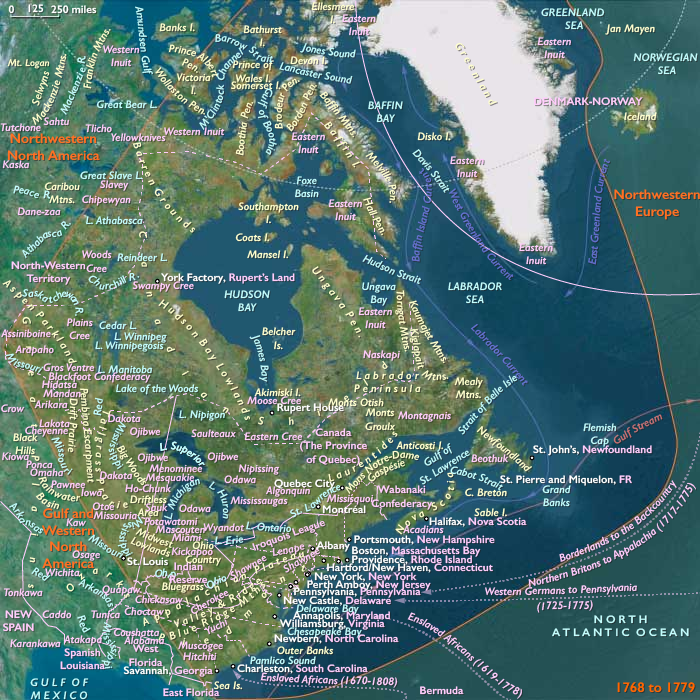
Although the town does have some Whig support, the threat posed by the British fleet may play a role in minimizing their activity in the town.
Confrontations and minor skirmishes continue in Virginia between Whigs on one side and Tories on the other until October, when Dunmore had acquired enough military support to begin organized operations against the rebellious Whigs.
General Thomas Gage, the British commander-in-chief for North America, had ordered a small detachment of the 14th Regiment of Foot to Virginia in response to pleas by Dunmore for military help.
These troops had begun raiding surrounding counties for rebel military supplies on October 12.
This activity had continued through the end of October, when a small British ship ran aground and was captured by Whigs during a skirmish near Hampton.
Navy boats sent to punish the townspeople had been repulsed by Continental Army troops and militia in a brief gunfight that resulted in the killing and capture of several sailors.
Dunmore reacts to this event by issuing a proclamation on November 7 in which he declares martial law, and offers to emancipate Whig-held slaves in Virginia willing to serve in the British Army.
The proclamation alarms Tory and Whig slaveholders alike, concerned by the idea of armed former slaves and the potential loss of their property.
Nevertheless, Dunmore is able to recruit enough slaves to form the Ethiopian Regiment, as well as raising a company of Tories he calls the Queen's Own Loyal Virginia Regiment.
These local forces supplement the two companies of the 14th Foot that are the sole British military presence in the colony.
Groups
Topics
Commodities
Regions
Northern North America
View →Subregions