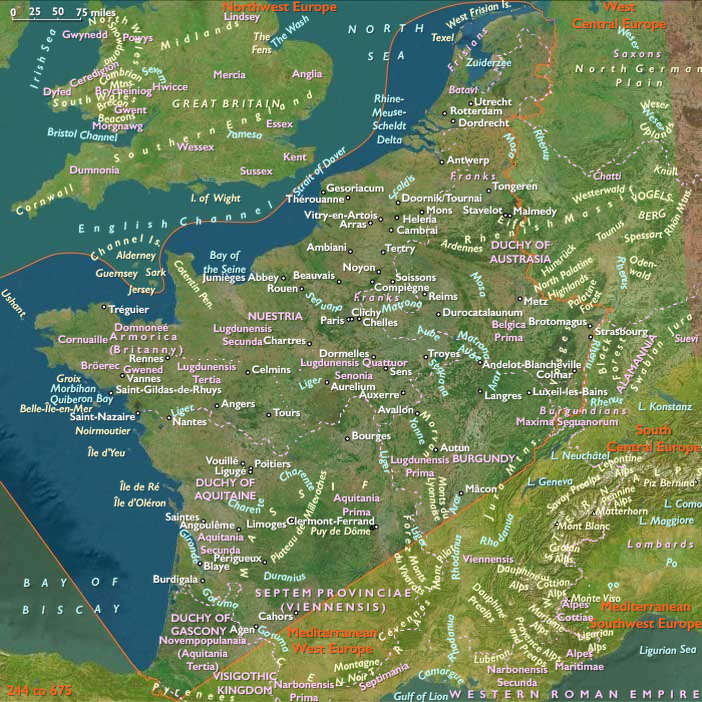
Valentinian I’s Response to the Alemanni Invasion…
October 365 CE
Valentinian I’s Response to the Alemanni Invasion (365 CE): The Defense of Gaul
In 365 CE, the Alemanni, having once again crossed the frozen Rhine in large numbers, launched a major incursion into Roman Gaul. On January 2, 365, they defeated Valentinian I’s generals, delivering a serious blow to Roman forces in the region.
Despite this setback, Emperor Valentinian I (r. 364–375 CE) demonstrated tireless energy and strategic focus, initiating a massive effort to fortify and defend the empire’s northern borders.
1. Fortifying the Rhine Frontier
- Valentinian personally took charge of military operations, recognizing the urgent threat posed by the Alemanni.
- He ordered new defensive fortifications along the Rhine, reinforcing existing garrisons and constructing new military bases.
- His strategy emphasized securing key crossings to prevent further barbarian incursions into Gaul.
2. Establishing Command in Lutetia (Paris) by October 365 CE
-
By October 365 CE, Valentinian set up his imperial residence in Lutetia (modern Paris), making it the center of his military operations.
-
From Lutetia, he coordinated:
- Defensive strategies against further Alemanni invasions.
- Counteroffensives to reclaim lost territory.
- The reorganization of Roman forces in Gaul, ensuring better preparedness for future conflicts.
-
Lutetia’s strategic location made it an ideal command center, providing access to both northern and eastern frontiers.
3. Significance of Valentinian’s Defense Efforts
- Valentinian’s leadership stabilized the Rhine frontier, preventing the Alemanni from gaining a permanent foothold in Gaul.
- His military reforms strengthened the Roman border defenses, setting the stage for future Roman counterattacks.
- His personal involvement in military affairs enhanced his reputation as a capable and resolute emperor.
4. Conclusion: A Strong Emperor Against the Barbarian Threat
- Despite the initial defeat of Roman forces in early 365, Valentinian acted swiftly and effectively to secure Gaul.
- His presence in Lutetia as a wartime headquarters marked an important moment in the city’s history, reinforcing its role as a key Roman stronghold.
- His campaigns against the Alemanni would continue in the following years, leading to a decisive Roman victory in 368 CE, securing the Rhine frontier for a time.
Through determination and strategic foresight, Valentinian proved to be one of the last great defenders of the Western Roman Empire, successfully holding back the barbarian tide for another generation.
Locations
People
Groups
Topics
Commodities
Subjects
Regions

West Europe
View →Subregions