The Basilica Palladiana, originally constructed in the…
1614 CE
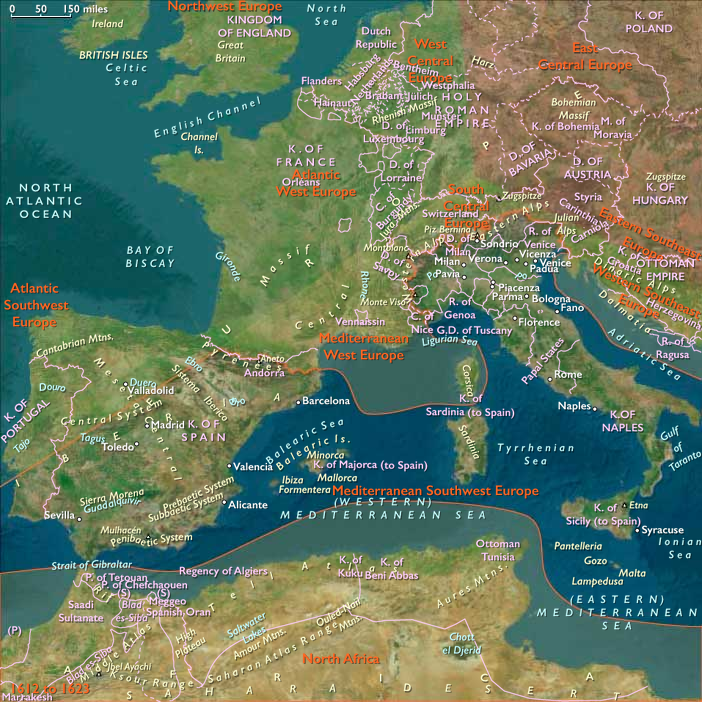
The Basilica Palladiana, originally constructed in the central Piazza dei Signori in Vicenza in the fifteenth century, had been known as the Palazzo della Ragione.
The building was the seat of government and also housed a number of shops on the ground floor.
When part of the building collapsed in the sixteenth century, the Council of One Hundred had commissioned many architects to submit designs and selected Palladio to reconstruct the building in April 1549.
Palladio had added a new outer-shell of marble classical forms, a loggia and a portico that now obscure the original Gothic architecture.
The most notable feature of the edifice is the loggia, which shows one of the first examples of the what comes to be known as the Palladian window, designed by a young Andrea Palladio, whose work in architecture is to have a significant effect on the field.
An expensive project, the Basilica has taken a long time to complete.
Palladio had received an income for the work during most of his life.
Only in 1614—thirty years after his death—does the building stand complete.
Images

Clocktower and loggia of the Basilica Palladiana (Photo by Dogears, 2006)
Locations
Subjects
Regions
Southwest Europe
View →Subregions