Event
Ceylon's coffee plantation system faces a serious…
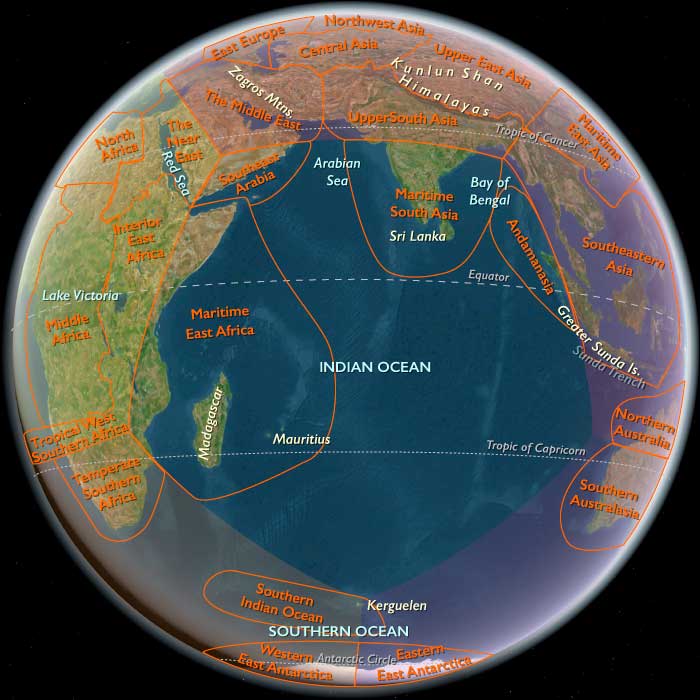
Ceylon's coffee plantation system faces a serious labor shortage.
Among the Sinhalese, a peasant cultivator of paddy land holds a much higher status than a landless laborer.
In addition, the low wages paid to hired workers fail to attract the Kandyan peasant, and the peak season for harvesting plantation coffee usually coincides with the peasant's own harvest.
Moreover, population pressure and underemployment are not acute until the twentieth century.
To compensate for this scarcity of native workers, an inexpensive and almost inexhaustible supply of labor is found among the Tamils in southern India.
They are recruited for the coffee-harvesting season and migrate to and from Ceylon, often amid great hardships.
The immigration of these Indian Tamils begins as a trickle in the 1830s and will become a regular flow a decade later, when the government of India removes all restrictions on the migration of labor to Ceylon.
Among the Sinhalese, a peasant cultivator of paddy land holds a much higher status than a landless laborer.
In addition, the low wages paid to hired workers fail to attract the Kandyan peasant, and the peak season for harvesting plantation coffee usually coincides with the peasant's own harvest.
Moreover, population pressure and underemployment are not acute until the twentieth century.
To compensate for this scarcity of native workers, an inexpensive and almost inexhaustible supply of labor is found among the Tamils in southern India.
They are recruited for the coffee-harvesting season and migrate to and from Ceylon, often amid great hardships.
The immigration of these Indian Tamils begins as a trickle in the 1830s and will become a regular flow a decade later, when the government of India removes all restrictions on the migration of labor to Ceylon.
-
{# Image navigates to the detail page; the magnifying-glass chip is the only Fancybox lightbox trigger (kept a separate sibling — anchors can't nest). #}
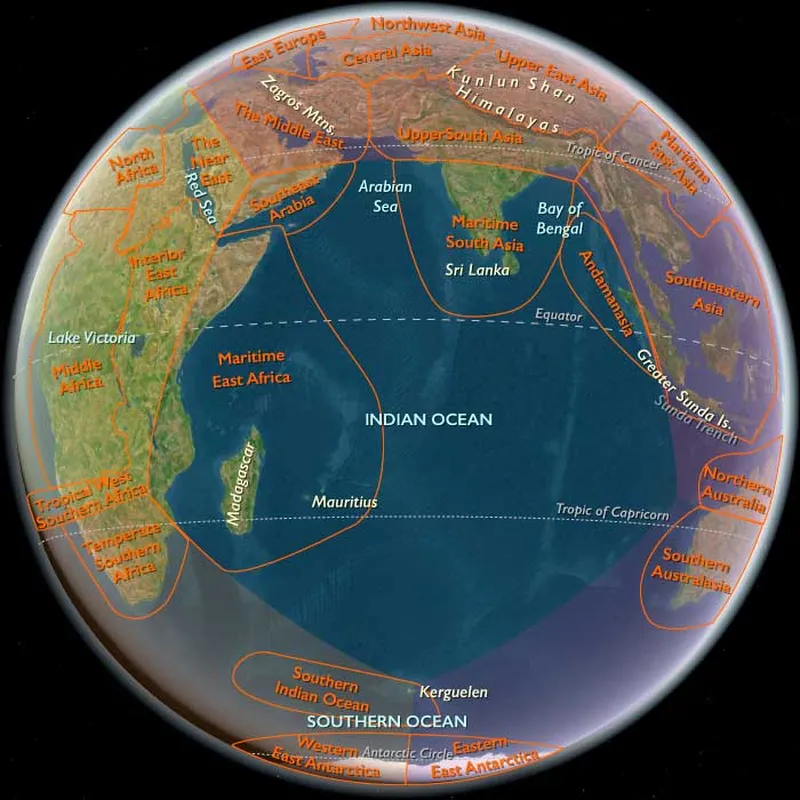 The Indian Ocean Lands
World
The Indian Ocean Lands
World
-
{# Image navigates to the detail page; the magnifying-glass chip is the only Fancybox lightbox trigger (kept a separate sibling — anchors can't nest). #}
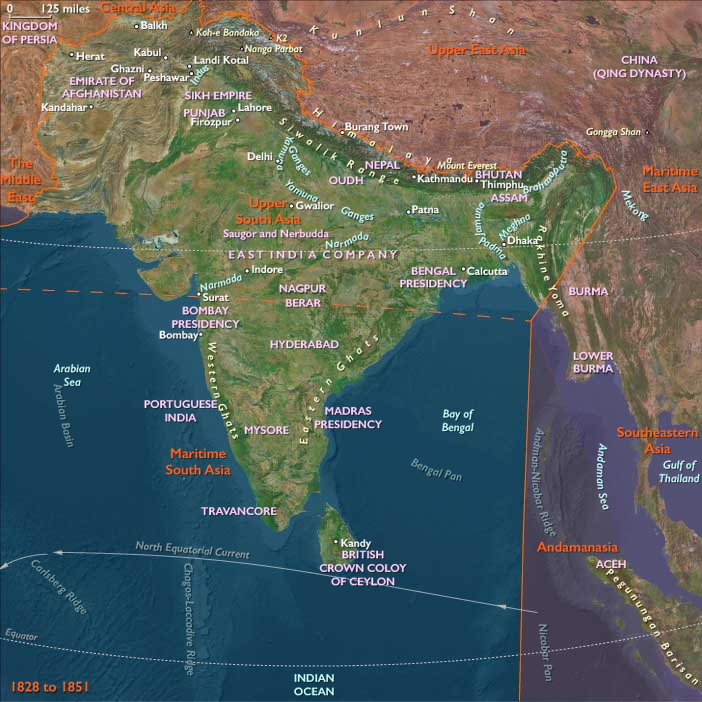 South Asia
Region
South Asia
Region
-
{# Image navigates to the detail page; the magnifying-glass chip is the only Fancybox lightbox trigger (kept a separate sibling — anchors can't nest). #}
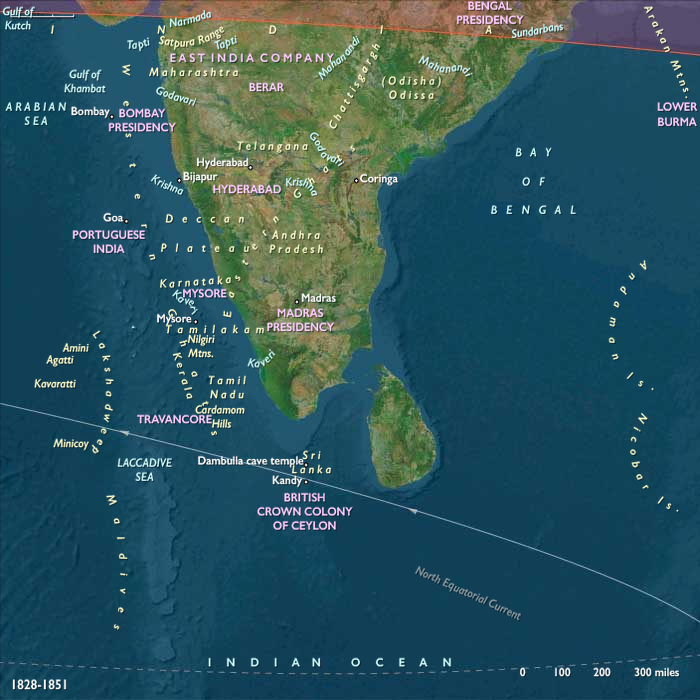 Maritime South Asia
Subregion
Maritime South Asia
Subregion