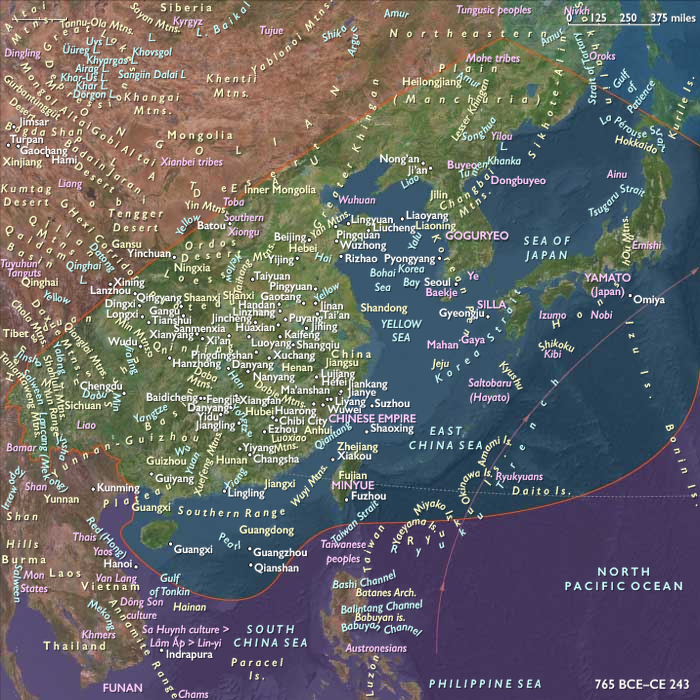
Sun Tzu (also referred to as "Sunzi"…
477 BCE to 334 BCE
Sun Tzu (also referred to as "Sunzi" and "Sun Wu"), a high ranking military general and strategist during the late Spring and Autumn period, writes knowingly of spies in his Treatise on the Art of War, the first intelligence manual.
Some scholars believe that the Art of War was not completed until the subsequent Warring States period).
Composed of thirteen chapters, each of which is devoted to one aspect of warfare, it is said to be the definitive work on military strategies and tactics of its time, and is still read for its military insights.
The Art of War is one of the oldest and most successful books on military strategy in the world.
It has been the most famous and influential of China's Seven Military Classics.
Sun Tzu emphasized the importance of positioning in military strategy, and that the decision to position an army must be based on both objective conditions in the physical environment and the subjective beliefs of other, competitive actors in that environment.
He thought that strategy was not planning in the sense of working through an established list, but rather that it requires quick and appropriate responses to changing conditions.
Planning works in a controlled environment, but in a changing environment, competing plans collide, creating unexpected situations.
Groups
Subjects
Regions
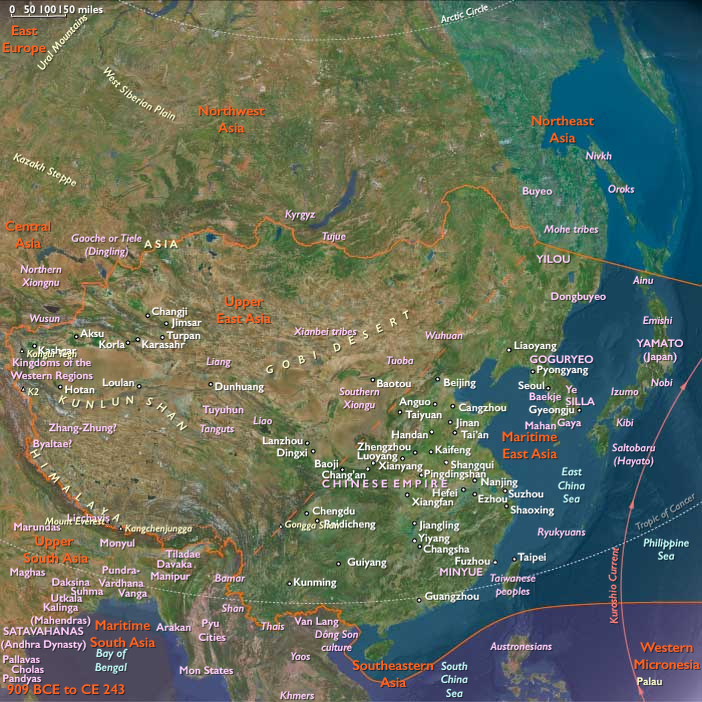
East Asia
View →Subregions