The conditions on the march are so…
September 1650 CE
The conditions on the march are so appalling that many of the prisoners die of starvation, illness or exhaustion.
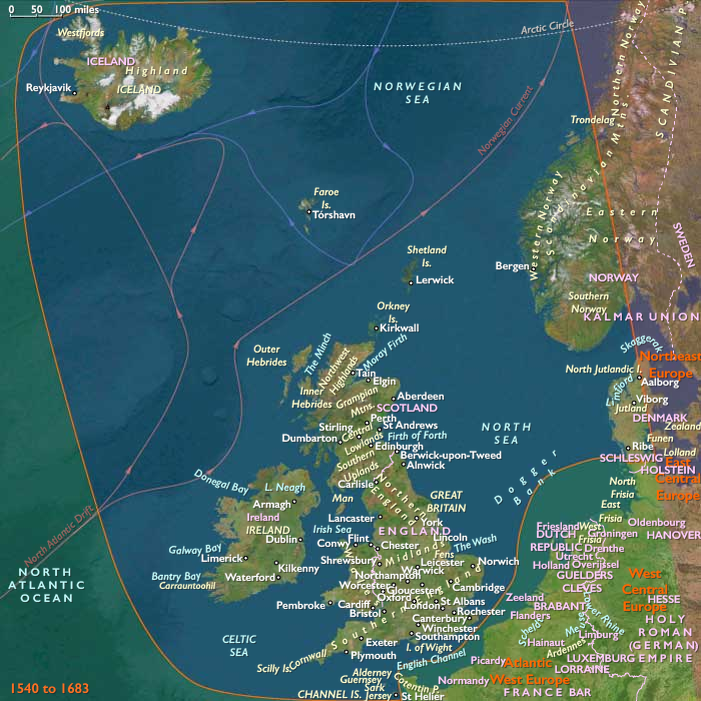
When by September 11, the remnants arrive at Durham Cathedral where they are to be imprisoned, only three thousand Scottish soldiers are still alive.
If Sir Edward Walker's statement that six thousand prisoners were taken and five thousand of them were marched south was correct, then two thousand captives perished on the way to Durham.
Although Durham Cathedral offers a degree of shelter, the English fail to provide their prisoners with adequate food or fuel.
The prisoners keep warm for a time by burning all of the woodwork in the Cathedral with the notable exception of Prior Castell's Clock in the South Transept.
It is thought that they left the clock alone because it carries a thistle, the emblem of Scotland, on it.
The prisoners do take the opportunity to revenge themselves on the tombs of the Neville family, however, beheading their effigies and most of the statuary in the Cathedral.
Lord Ralph Neville had commanded part of the English army which had defeated the Scots at the Battle of Neville's Cross in 1346 on the outskirts of Durham City.
Locations
People
Topics
Commodities
Subjects
Regions
North Europe
View →Subregions