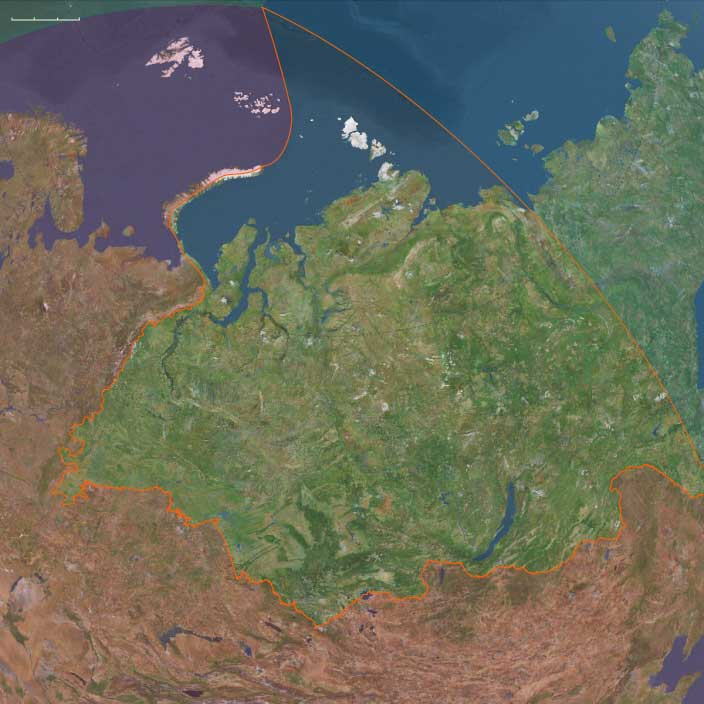
Northwest Asia (909 BCE – 819 CE):…
909 BCE to 819 CE
Northwest Asia (909 BCE – 819 CE): Saka Riders, Early Turks, and Steppe–Taiga Exchanges
Geographic and Environmental Context
Northwest Asia includes the lands from the Ural Mountains east to ~130°E, encompassing Western and Central Siberia.
-
Anchors: Altai–Minusinsk Basin, Middle/Lower Yenisei, Ob steppes, Ural forelands, Western Siberian taiga.
Climate & Environmental Shifts
-
First-millennium variability; ENSO less relevant; steppe droughts alternated with good pasture cycles.
Societies & Political Developments
-
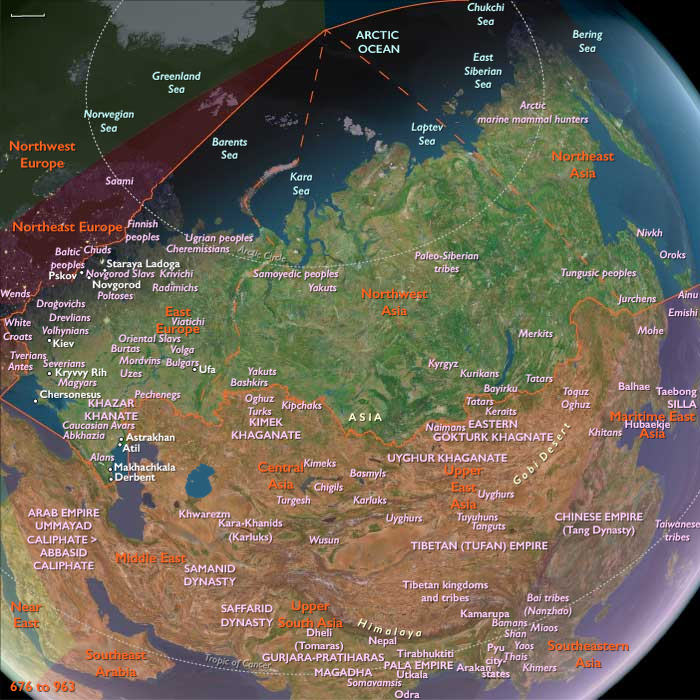
Saka/Scythian nomads dominated early 1st millennium BCE with equestrian confederacies.
-
Xiongnu (late centuries BCE) pressed from the east; Huns (1st–4th c. CE) emerged westward.
-
Turkic expansions (6th–8th c. CE) reshaped Altai–Sayan and Yenisei zones (Göktürk kaghanates).
-
Forest peoples (Ket, Samoyedic ancestors) maintained fishing–hunting economies.
Economy & Trade
-
Pastoral nomads exported horses, hides, woolens; caravans carried silk, metalwork, glass along steppe roads.
-
Taiga foragers exchanged furs, wax, honey, and slaves.
Technology & Material Culture
-
Iron weapons, stirrups (after 6th c. CE), saddles.
-
Petroglyphs continued, showing riders and battles.
Belief & Symbolism
-
Sky-god (Tengri) worship among nomads; ancestor cults; shamans mediated between spirit worlds.
-
Taiga groups emphasized animist rituals tied to rivers and forests.
Environmental Adaptation & Resilience
-
Mobile pastoralism adapted to shifting pasture quality; fur–horse–grain exchange tied steppe and taiga.
Legacy & Transition
By 819 CE, Northwest Asia was a steppe–taiga frontier: nomad confederacies (Saka → Huns → Turks) controlled open lands, while forest peoples retained autonomy. This mosaic set the stage for Turkic–Mongolic powers of the medieval world.
Groups
Commodities
Subjects
Regions
Northeastern Eurasia
View →Subregions