
The Heruli: A Fragmented Germanic People in…
280 CE
The Heruli: A Fragmented Germanic People in Late Antiquity
The Heruli, a nomadic Germanic people, were active during the later Roman Empire, often engaging in raids and warfare along the empire’s frontiers. By the late 3rd century CE, they had been divided into eastern and western groups, each facing different fates.
1. The Eastern Heruli and the Battle of Naissus (269 CE)
- The eastern contingent of the Heruli participated in large-scale raids in the Balkans, alongside the Goths and other Germanic tribes.
- In 269 CE, they were decisively defeated by Roman forces at the Battle of Naissus (modern Niš, Serbia), one of the most important Roman victories of the 3rd century.
- This battle, led by Emperor Claudius II Gothicus, devastated the eastern Heruli, diminishing their presence as a major independent force.
2. The Western Heruli and Their Appearance at the Rhine (289 CE)
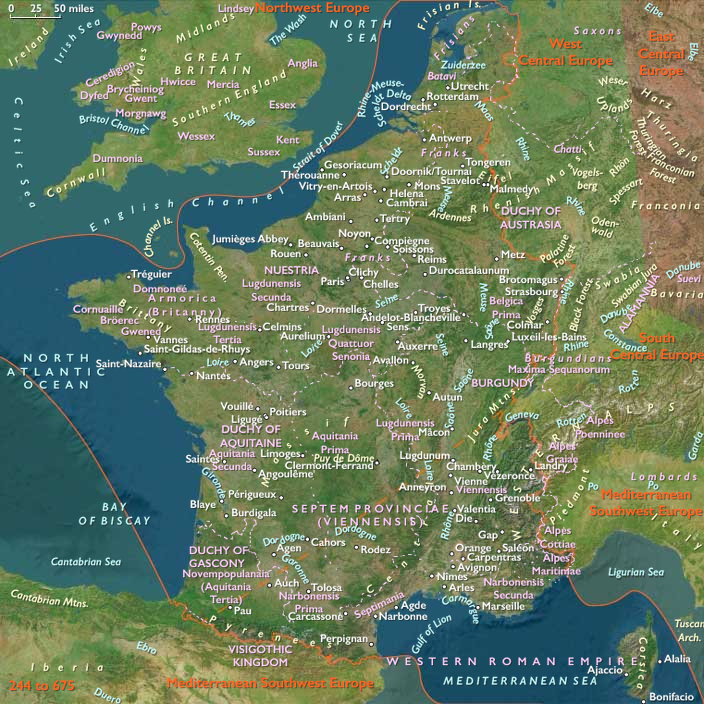
- A western contingent of the Heruli is recorded near the mouth of the Rhine in 289 CE, possibly fleeing the Roman counteroffensives in the Balkans.
- Their movement may have been linked to:
- Pressure from other migrating tribes, such as the Franks and Saxons.
- Rome’s shifting military focus, which forced Germanic groups to relocate.
- By this period, they appear to have integrated into other Germanic tribal confederations, continuing their raiding and mercenary activities.
3. The Later Fate of the Heruli
- By the 5th century, the Heruli reappear as mercenaries and foederati (federated allies) serving Rome and other Germanic kingdoms.
- In 476 CE, the Heruli leader Odoacer famously deposed the last Western Roman Emperor, Romulus Augustulus, marking the official end of the Western Roman Empire.
- Over time, they merged with other Germanic groups, fading from history as a distinct people by the 6th century.
Significance of the Heruli’s Movements
- Their defeat at Naissus contributed to Roman stability in the Balkans, at least temporarily.
- Their presence at the Rhine indicated ongoing migrations and tribal shifts along the Roman frontiers, foreshadowing later Germanic pressures on the empire.
- As mercenaries and kingdom-builders, the Heruli played a small but crucial role in the transformation of the Roman world into medieval Europe.
The Heruli’s history is emblematic of the shifting alliances, conflicts, and migrations that defined the Late Roman and early medieval periods, contributing to the eventual collapse of Roman authority in the West.
People
Groups
Topics
Commodities
Subjects
Regions
West Europe
View →Subregions
