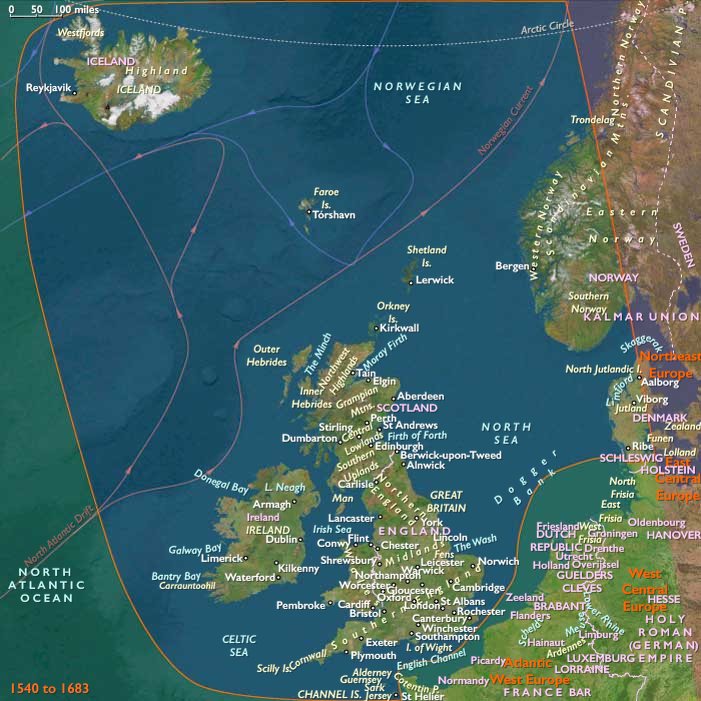
The fighting in Ireland from 1641 to…
April 1642 CE
The fighting in Ireland from 1641 to early 1642 has been characterized by small bands, raised by local lords or among local people, attacking civilians of opposing ethnic and religious groups.
It looked at first as if the rebels would be successful after they defeated a government force at Julianstown, but this perception had been soon shattered when the rebels had failed to take nearby Drogheda, by which time the Pale lords had already committed themselves to rebellion.
Many of the Irish Catholic upper classes had at first been reluctant to join the rebellion, especially the "Old English" community.
Within six months, however, almost all of them have joined the rebellion.
Local lords and landowners have raised armed units of their dependents to control the violence that is engulfing the country, fearing that after the settlers were gone, the Irish peasantry will turn on them as well.
Moreover, the English Parliament and the Irish administration, and King Charles, had made it clear that Irish Catholics who do not demonstrate their loyalty will be held responsible for the rebellion and killings of settlers, and their lands subject to confiscation under the Adventurers Act.
Locations
Groups
Topics
Commodities
Subjects
Regions
North Europe
View →Subregions