The Eggnog Riot, sometimes known as the…
December 1826 CE
It is caused by a drunken Christmas Day party in the North Barracks of the academy.
Two days prior to the incident, a large quantity of whiskey had been smuggled into the academy to make eggnog for the party, giving the riot its name.
The riot eventually involves more than one-third of the cadets by the time it ceases on Christmas morning.
A subsequent investigation by academy officials results in the implication of seventy cadets and the court-martialing of twenty of them and one enlisted soldier.
Among the participants in the riot—though he will not be court-martialed—is future Confederate States President Jefferson Davis.
The large number of small dairy farms in America in the early nineteenth century have made milk, cream, and eggnog more accessible to the American public.
George Washington drank eggnog that contained not only rum, but also significant amounts of sherry, brandy, and whiskey.
In 1817, Sylvanus Thayer took command at the United States Military Academy.
By 1826, the academy has thirty-six men serving as faculty and staff with four recognized departments: mathematics, engineering, natural philosophy (now physics, chemistry, and life sciences) and, military tactics.
Alcohol possession at the academy is prohibited along with drunkenness and intoxication, both of which can lead to expulsion.
Tobacco use and gambling can lead to demerits, minor incarceration, or a loss of privileges.
By 1826, concern had been raised that drinking was starting to get out of hand among the two hundred and sixty cadets at the academy.
The cadets had been informed that, due to the alcohol prohibition on the site, their Christmas eggnog would be alcohol-free, prompting the decision to smuggle liquor into the academy.
People
Commodities
Regions
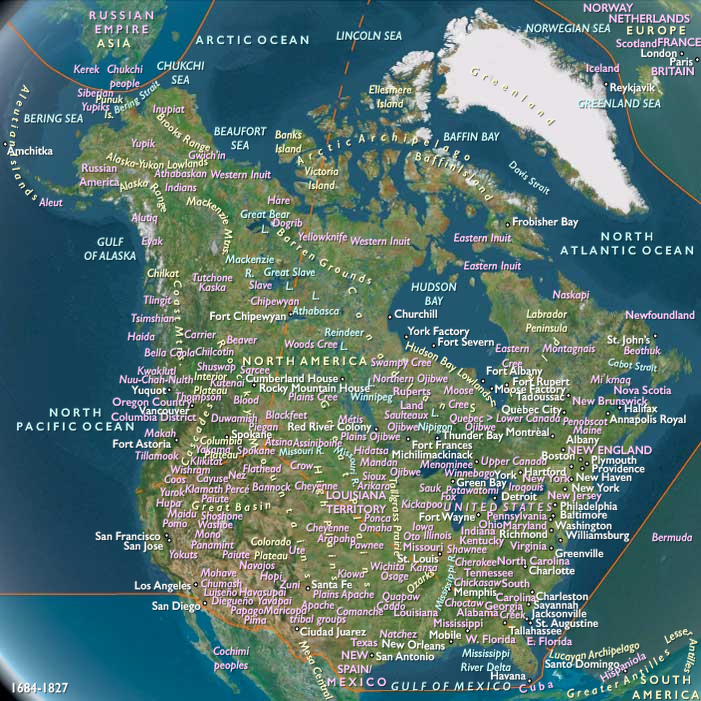
Northern North America
View →Subregions