The Monroe Doctrine (December 2, 1823) – The U.S. Response to European Intervention
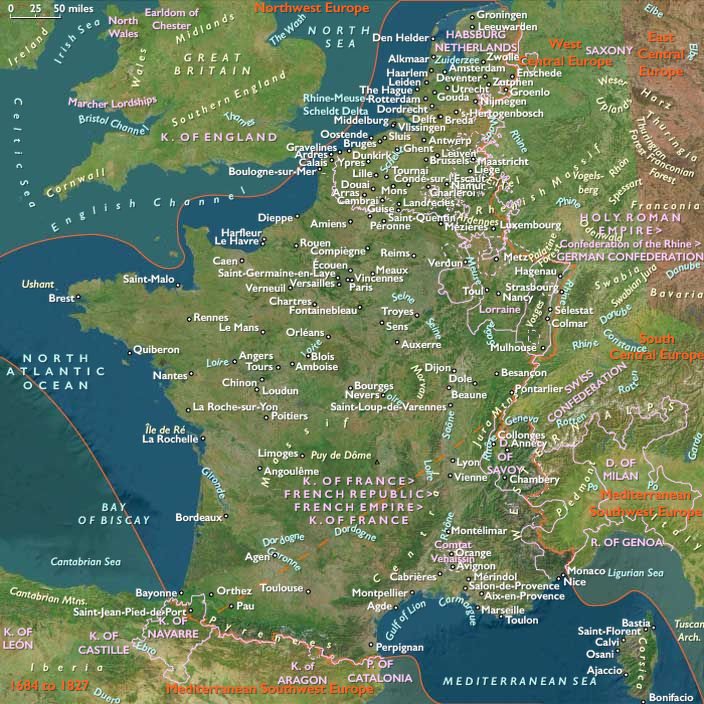
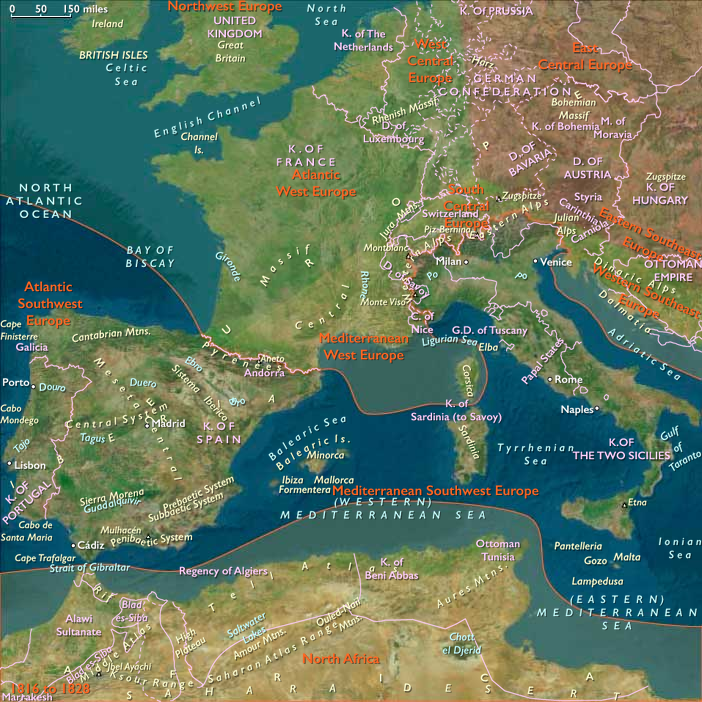
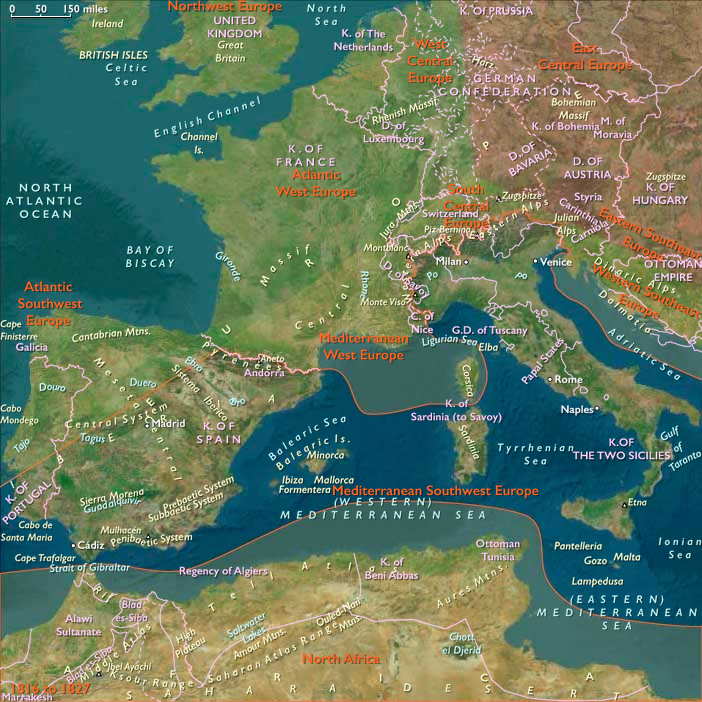
By1823, theHoly Alliance (Russia, Austria, and Prussia)had authorizedFrance to restore the Bourbon monarchy in Spain, allowingKing Ferdinand VII to reclaim his throne. However, this posed amajor geopolitical threat—if France couldrestore Spain’s colonial rule in the Americas, it mightextend French influence over Spain’s recently independent former colonies, effectively creatinga new French empire in the Western Hemisphere.
The Monroe Doctrine – The U.S. Response
OnDecember 2, 1823,U.S. President James Monroe issued the Monroe Doctrine, declaring that:
Any European attempts to recolonize or intervene in the Americas would be considered a hostile act toward the United States.
TheWestern Hemisphere was no longer open to European colonization.
TheU.S. would not interfere in European affairs or existing European colonies.
British Support for the Monroe Doctrine
TheBritish, opposed to the expansion of French influence, supported the Monroe Doctrine.
Britain had commercial interests in Latin America, which hadbecome an important trading regionafter independence.
TheRoyal Navy’s dominance ensured that no European power could effectively challenge the doctrine, making itcredible despite the U.S.’s limited military strength at the time.
Impact and Legacy
TheMonroe Doctrine established a key principle of U.S. foreign policy, reinforcingAmerican opposition to European imperialism in the Americas.
Thoughthe United States lacked the power to enforce it alone,British naval supremacy ensured that France and the Holy Alliance would not attempt reconquest.
It marked thebeginning of U.S. influence over Latin America, setting the stage for future interventions in the region.
Conclusion – A Major Shift in Global Power
TheMonroe Doctrine effectively prevented European recolonization of Latin America, ensuring that thenewly independent nations remained free from French or Spanish control. It alsosignaled the emergence of the United States as a key player in Western Hemisphere affairs, whilealigning U.S. and British interests against French expansionism.