Event
Ceylon had not been considered a great…
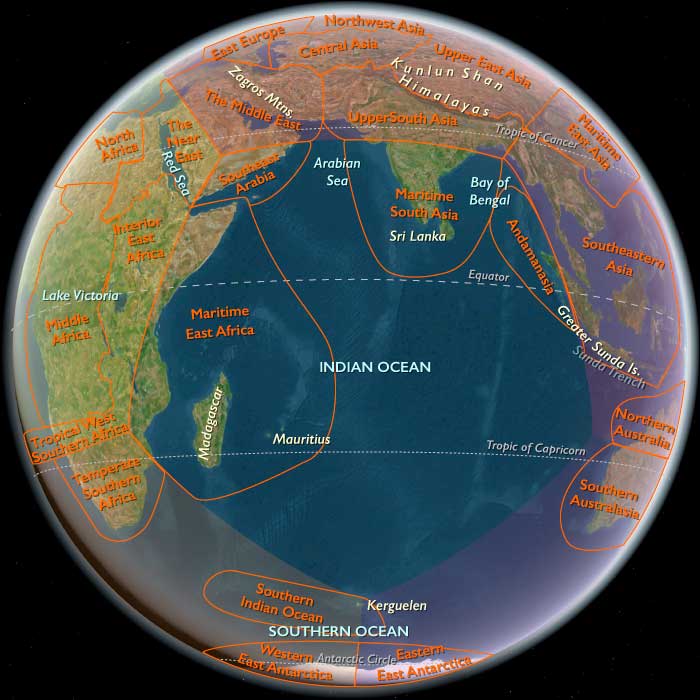
Ceylon had not been considered a great economic asset in the early years of British colonization, but was viewed instead almost exclusively in terms of its strategic value.
By the 1820s, however, this perception was changing.
As governor, Sir Edward Barnes is responsible for consolidating British military control over the Kandyan provinces through a program of vigorous road construction.
He also begins experimenting with a variety of commercial crops, such as coffee.
These experiments provide the foundation of the plantation system that is launched a decade later.
In administrative matters, the British are initially careful not to change the existing social order too quickly and are not inclined to mingle socially.
A sharp distinction is made between the rulers and the ruled, but in time the distinction becomes less defined.
The governor, who holds all executive and legislative power, has an advisory council made up of colonial officials with top posts filled by members of a civil service recruited in Britain.
The governor is under the director of the Colonial Office in London but is given whatever discretionary powers he needs to balance the colony's budget and to make sure that the colony brings in enough revenue to cover its military and administrative expenses.
-
{# Image navigates to the detail page; the magnifying-glass chip is the only Fancybox lightbox trigger (kept a separate sibling — anchors can't nest). #}
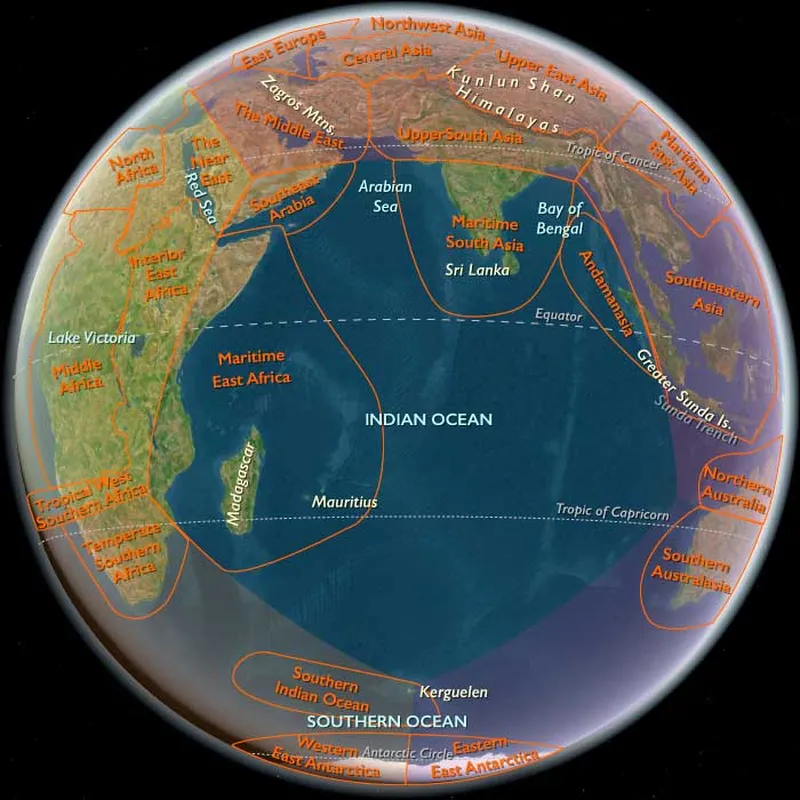 The Indian Ocean Lands
World
The Indian Ocean Lands
World
-
{# Image navigates to the detail page; the magnifying-glass chip is the only Fancybox lightbox trigger (kept a separate sibling — anchors can't nest). #}
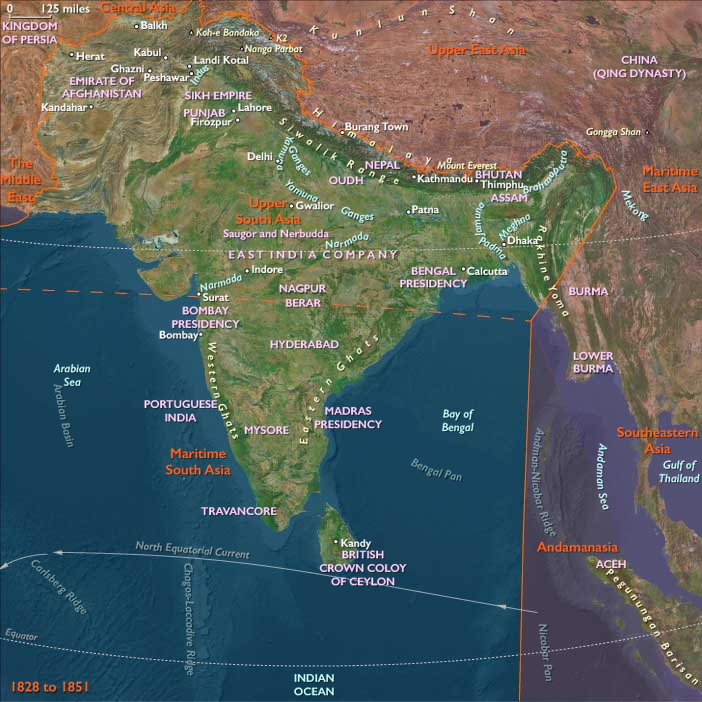 South Asia
Region
South Asia
Region
-
{# Image navigates to the detail page; the magnifying-glass chip is the only Fancybox lightbox trigger (kept a separate sibling — anchors can't nest). #}
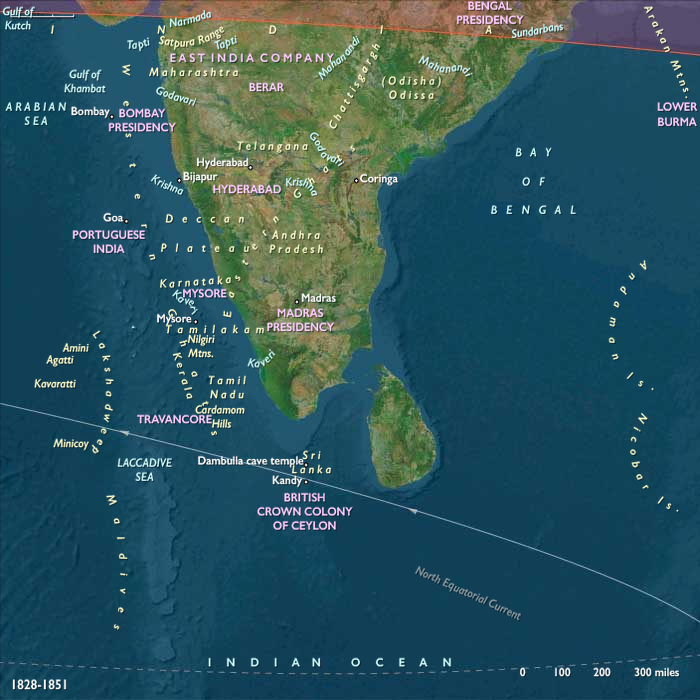 Maritime South Asia
Subregion
Maritime South Asia
Subregion