The Rise of Polyphony in Renaissance Music…
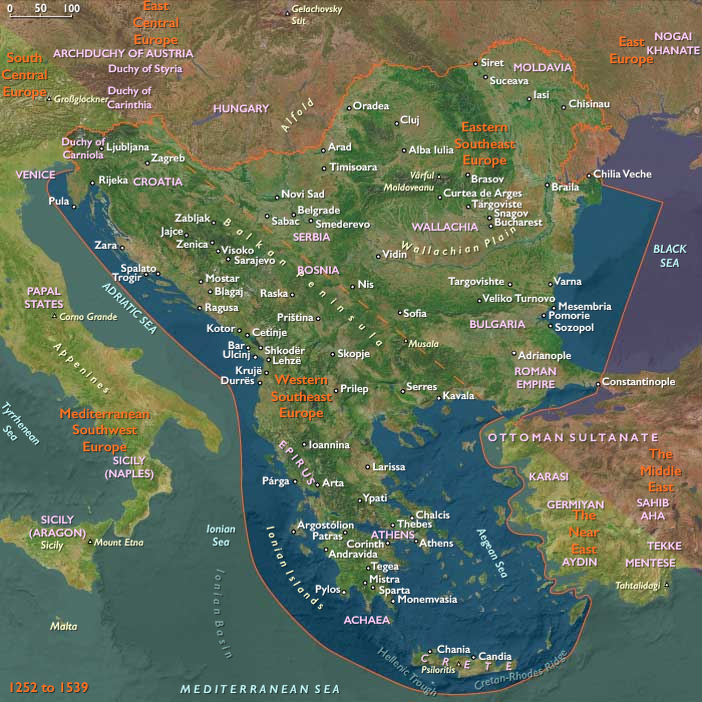
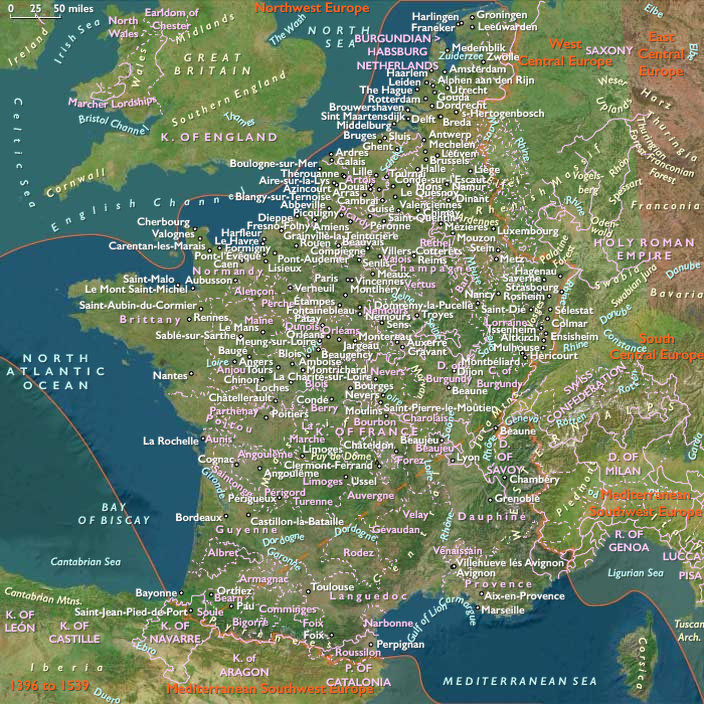
1396 CE to 1539 CE
The Rise of Polyphony in Renaissance Music (15th–16th Century)
The Renaissance (c. 1400–1600) was a transformative period in music, marked by the emergence of multi-part vocal polyphony, which became the defining characteristic of Renaissance music.
What is Polyphony?
- Polyphony refers to the simultaneous combination of multiple independent melodic lines.
- Unlike medieval monophonic Gregorian chant, Renaissance polyphonic compositions featured interwoven vocal parts, creating rich harmonies and textures.
- This musical style flourished in sacred and secular compositions, with each voice moving independently but harmoniously with the others.
Key Developments in Renaissance Polyphony
-
Expansion of Vocal Parts
- Earlier medieval music used two-part and three-part harmonies (e.g., Organum in the 12th century).
- By the 15th century, Renaissance composers expanded music to four, five, or even six-part polyphonies.
- These additional voices created more complex textures and richer harmonic progressions.
-
Imitative Counterpoint
- A technique in which one voice introduces a melody and is imitated by successive voices, creating a flowing and interwoven texture.
- This became a signature of Franco-Flemish composers such as Josquin des Prez.
-
Greater Emphasis on Harmony
- Renaissance composers experimented with chord progressions and consonance, moving away from the open intervals of medieval music (fourths and fifths) toward thirds and sixths, which were perceived as more harmonious and pleasing.
-
Sacred Polyphony
- Catholic Church music embraced polyphony in Mass settings and motets.
- Giovanni Pierluigi da Palestrina, a leading composer, wrote elegant and refined polyphonic masses, ensuring that sacred texts remained intelligible within complex harmonies.
-
Secular Polyphony
- The Renaissance also saw the rise of secular polyphonic forms, including:
- Madrigals (Italy and England) – expressive, poetic songs set to multiple voices.
- Chansons (France) – lyrical love songs with intricate harmonies.
- Lieder (Germany) – polyphonic art songs.
- The Renaissance also saw the rise of secular polyphonic forms, including:
Impact and Legacy
- Renaissance polyphony laid the foundation for later Western music, influencing Baroque counterpoint (e.g., Bach’s fugues).
- The development of notation systems allowed for greater preservation and dissemination of musical works.
- Polyphony remains a core element in choral and orchestral compositions to this day.
Thus, the introduction of multi-part vocal polyphony during the Renaissance revolutionized Western music, creating complex, harmonious, and emotionally expressive compositions that continue to shape music today.