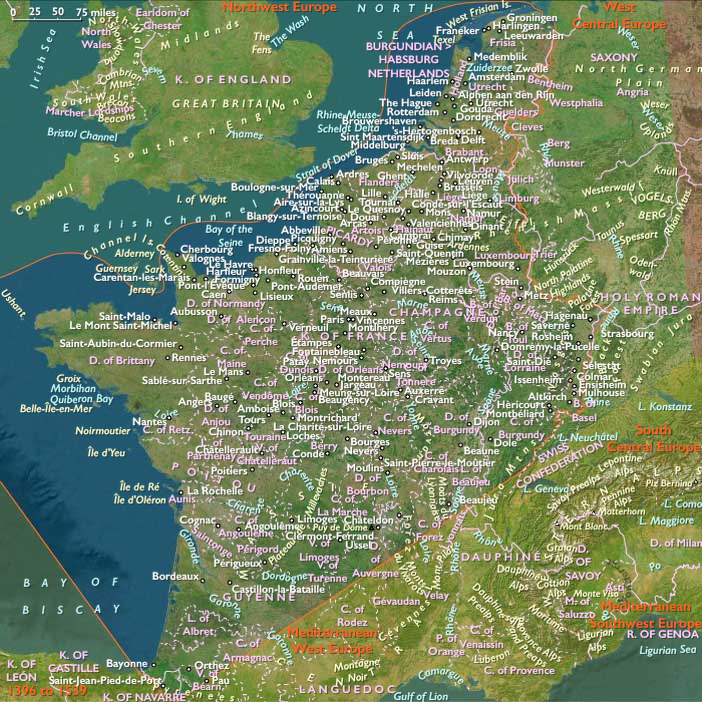
The Italian War of 1536–1538 and the…
1538 CE
The Italian War of 1536–1538 and the Truce of Nice
In January 1534, King Francis I of France, recognizing the failure of the League of Cognac, had formed a secret alliance with Philip I, Landgrave of Hesse, against Holy Roman Emperor Charles V. Officially aimed at restoring the Duke of Württemberg, expelled by Charles in 1519, this alliance underscores Francis's ongoing effort to challenge Habsburg dominance in Europe.
Following the death of Francesco II Sforza, Duke of Milan, Francis perceives an opportunity and resumes hostilities in Italy, triggering the Italian War of 1536–1538. His campaign is supported by the military assistance of the Ottoman Empire, marking a continuation of the diplomatic alignment established earlier between France and the Ottoman Sultan, Suleiman the Magnificent.
Despite the scale of this renewed conflict, the military engagements yield few tangible gains for either side. The war culminates in the Truce of Nice (June 18, 1538), mediated by Pope Paul III. While effectively ending active combat, the truce does little more than solidify the existing status quo: France retains control of Turin but fails to significantly alter the broader geopolitical map of Italy.
Long-term Significance
The inconclusive nature of the Italian War of 1536–1538 demonstrates the limits of French ambition in Italy against Habsburg influence, despite leveraging alliances with Protestant princes and the Ottoman Empire. Although the Truce of Nice temporarily restores peace, it also sets the stage for continued tension and conflict between France and the Holy Roman Empire. The war, and Francis's alliances with Protestant and Ottoman powers, highlights the shifting dynamics of European diplomacy, increasingly characterized by pragmatic, cross-religious alliances driven by political interests rather than religious affiliations alone.
Locations
Groups
Commodities
Subjects
Regions
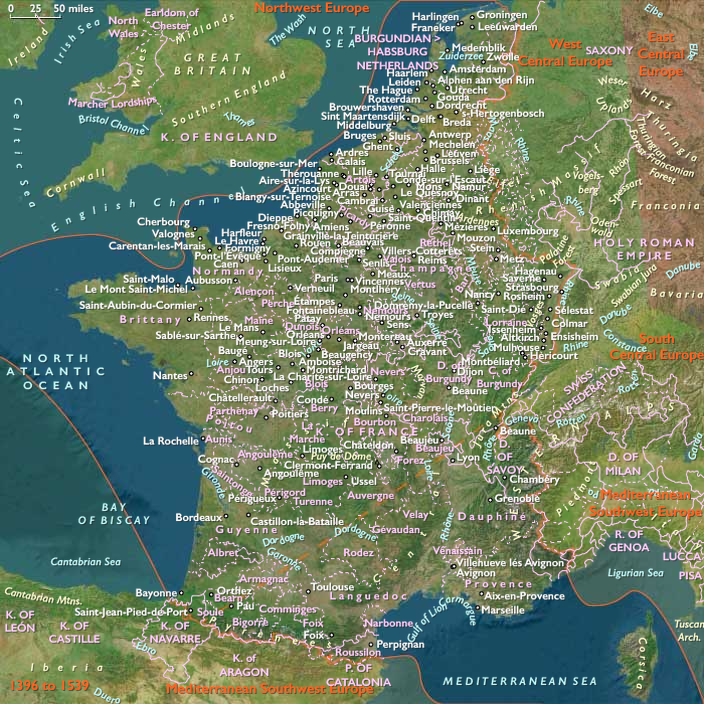
West Europe
View →Subregions