
The Middle East (4365–4222 BCE): Ubaidian Foundations…
4365 BCE to 4222 BCE
The Middle East (4365–4222 BCE): Ubaidian Foundations of Civilization
Emergence of the Ubaidians
Between 4365 and 4222 BCE, the Ubaidians, a non-Semitic people, became a dominant civilizing force in Mesopotamia. Settling in the region roughly between 4500 and 4000 BCE, they significantly contributed to the early developments of Sumerian civilization by pioneering critical infrastructure and industry.
Agricultural Transformations
The Ubaidians notably transformed the marshy landscape of Mesopotamia, systematically draining swamps and converting them into fertile agricultural lands. This ambitious undertaking enabled sustainable agriculture, supporting larger populations and paving the way for more permanent and complex settlements.
Economic and Industrial Development
The establishment and expansion of trade networks were integral to Ubaidian society, facilitating economic prosperity and regional integration. They developed specialized industries, including weaving, leatherworking, metalworking, masonry, and notably sophisticated pottery production. These industries not only supported internal community needs but also became vital commodities for trade.
Technological and Cultural Legacy
The Ubaidians left an enduring technological and cultural legacy in the region. Their methods and innovations in agriculture, craft specialization, and trade significantly influenced subsequent Mesopotamian cultures, laying essential groundwork for the later urbanization and complexity of Sumerian civilization.
This age highlights the foundational role of the Ubaidians in shaping early Mesopotamian society, marking critical advancements in agriculture, trade, industry, and cultural development in the ancient Middle East.
Topics
Commodities
Subjects
Regions
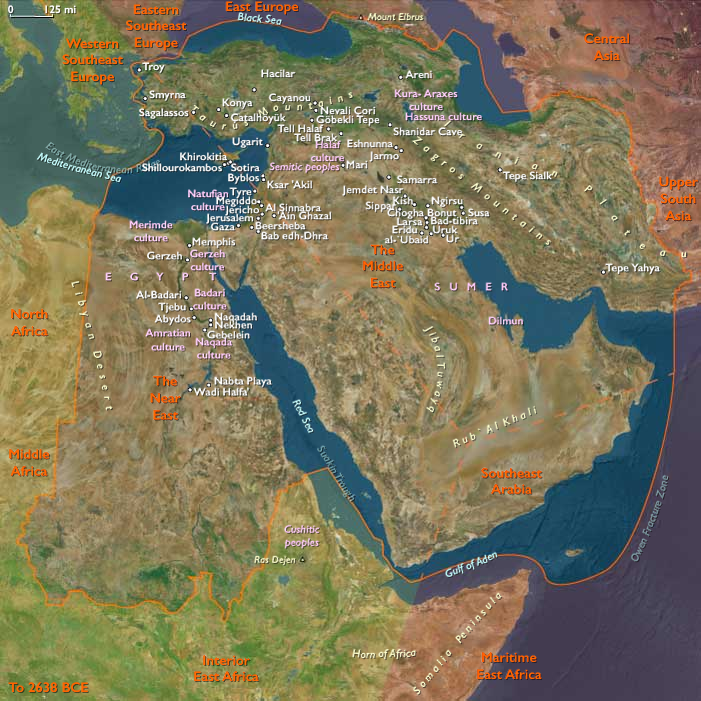
The Near and Middle East
View →Subregions
