Event
The Middle East (6957–6814 BCE): Early Settlement…
The Middle East (6957–6814 BCE): Early Settlement and Trade at Ugarit
Establishment of Ugarit
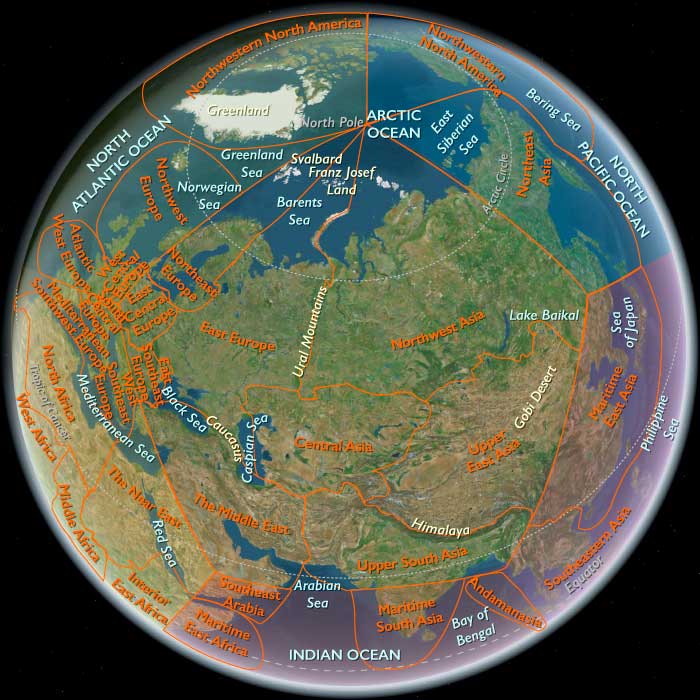
Between 6957 and 6814 BCE, the area destined to become the city of Ugarit and its associated port first witnessed human occupation. The site is identified with the mound at the current village of Ras Shamra and the adjacent small harbor of Minet-el-Beida, situated approximately ten kilometers (six miles) north of Latakia in northwestern Syria.
Strategic Location and Early Trade
The early significance of this site derives from its dual advantages: as a coastal port and as the gateway to an essential inland trade route leading toward the Euphrates and Tigris river valleys. Its strategic location facilitated early commercial interactions, fostering connections between coastal and inland communities and thus significantly contributing to regional economic and social developments.
Implications for Early Societal Development
The settlement’s dual nature as a coastal port and inland trade hub underscores the early importance of trade and communication networks in the development of complex societies. This strategic positioning likely encouraged the flow of goods, ideas, and innovations, laying important foundations for subsequent cultural and economic growth in the Middle East.
This era marks a critical point in the early economic and social dynamics of the region, setting a precedent for future urban and trade developments that would profoundly shape the ancient Near East.
-
{# Image navigates to the detail page; the magnifying-glass chip is the only Fancybox lightbox trigger (kept a separate sibling — anchors can't nest). #}
 The Great Crossroads
World
The Great Crossroads
World
-
{# Image navigates to the detail page; the magnifying-glass chip is the only Fancybox lightbox trigger (kept a separate sibling — anchors can't nest). #}
 The Near and Middle East
Region
The Near and Middle East
Region
-
{# Image navigates to the detail page; the magnifying-glass chip is the only Fancybox lightbox trigger (kept a separate sibling — anchors can't nest). #}
 Middle East
Subregion
Middle East
Subregion